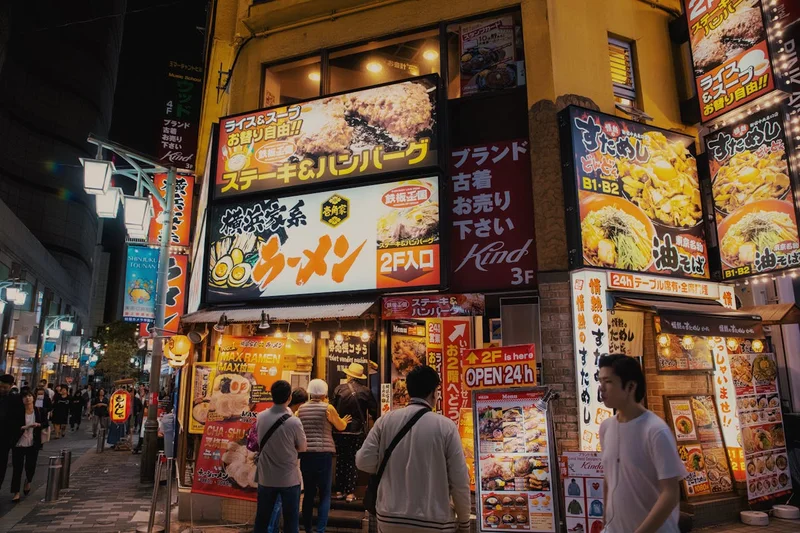

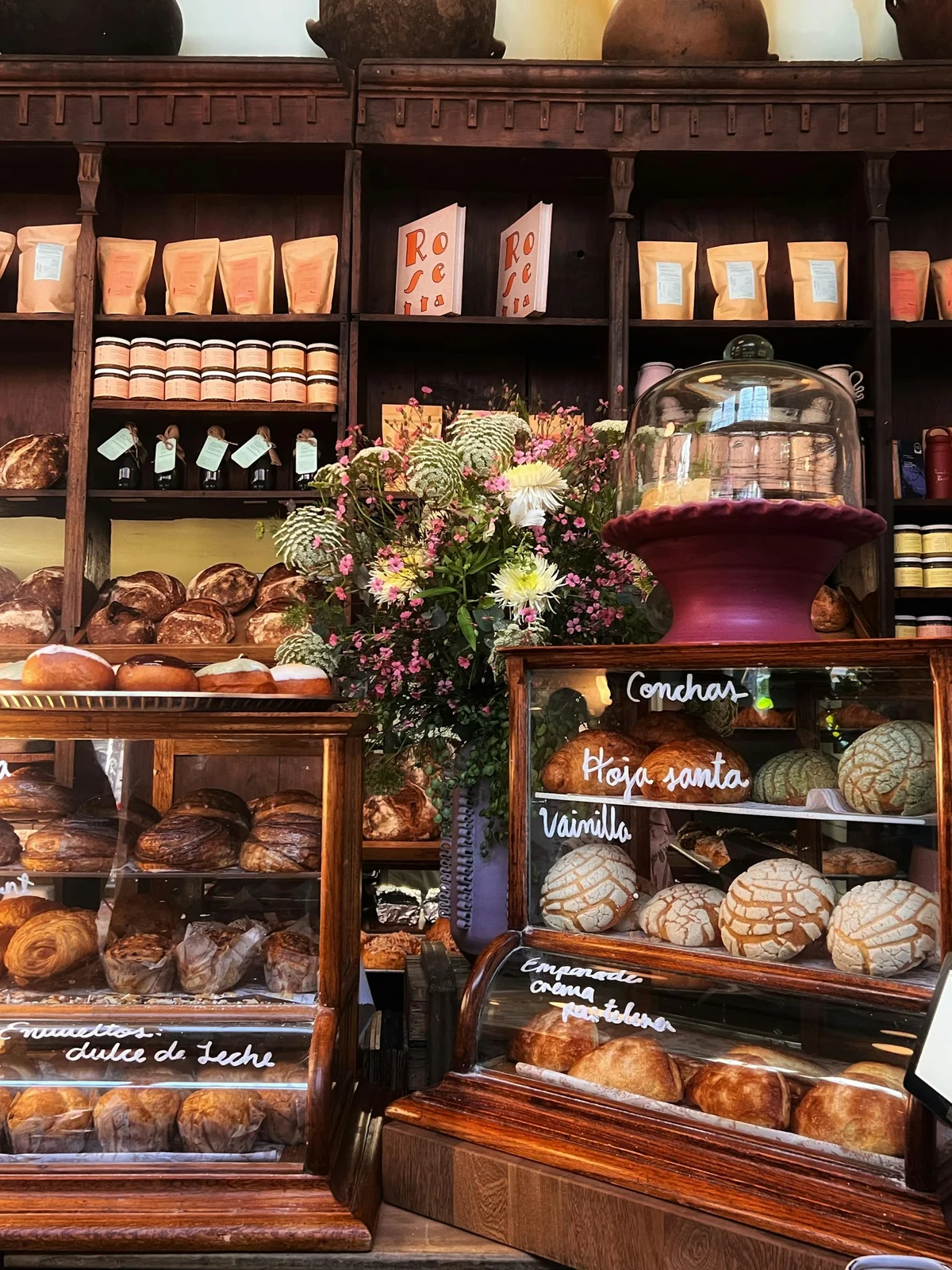
Food has always been central to culture, but in 2025, it has evolved into something even more powerful — a universal language that transcends borders, backgrounds, and beliefs. No longer just a necessity, food has become the heartbeat of travel, a way for people to connect with different traditions and understand new worlds. From the bustling night markets of Bangkok to the Michelin-starred streets of Paris, gastronomy tourism is transforming how travelers explore the globe. As of 2025, the global gastronomy tourism market is valued at over USD 5.4 billion and is projected to exceed USD 22 billion by 2035.
According to the World Food Travel Association (WFTA), around 80% of global travelers consider food experiences an essential part of their travel plans. This shift reflects how travelers are thinking differently. Gone are the days when sightseeing meant only monuments and museums. Today, culinary curiosity defines travel itineraries. Tourists are swapping traditional sightseeing tours for immersive culinary experiences such as truffle hunting in Italy, wine tasting in Argentina, or sushi-making in Japan.
The rise of culinary storytelling, where dishes narrate history, migration, and community is fueling this change. People now travel not just to see but to taste the world.
What Is Gastronomy Tourism?
Gastronomy tourism, often called culinary tourism, refers to travel experiences centered around exploring food, beverages, and culinary traditions of different regions. It’s about engaging all senses — smelling fresh spices in a Moroccan souk, feeling the texture of handmade pasta in Florence, and hearing the crackle of tortillas on a Mexican street corner.
It’s not just about eating; it’s about understanding. Food becomes a cultural gateway — an expression of history, geography, and local identity. When a traveler enjoys paella in Valencia or kimchi in Seoul, they are not just tasting flavors but participating in cultural preservation.
As Erik Wolf, founder of the WFTA, puts it, “Culinary tourism isn’t just about food — it’s about authenticity. It’s how travelers form an emotional connection with a destination.”

World’s Culinary Hotspots: A Journey Through Flavors
Across continents, food lovers are discovering destinations through their unique culinary DNA:
Italy remains an eternal favorite. Each region tells a different story — from the creamy risottos of Milan to the tomato-rich sauces of Naples. Italy’s culinary traditions are inseparable from its lifestyle and heritage.
Japan offers a balance of precision and artistry. From sushi bars in Tokyo to ramen stalls in Osaka, every bite reflects discipline, harmony, and centuries of refinement.
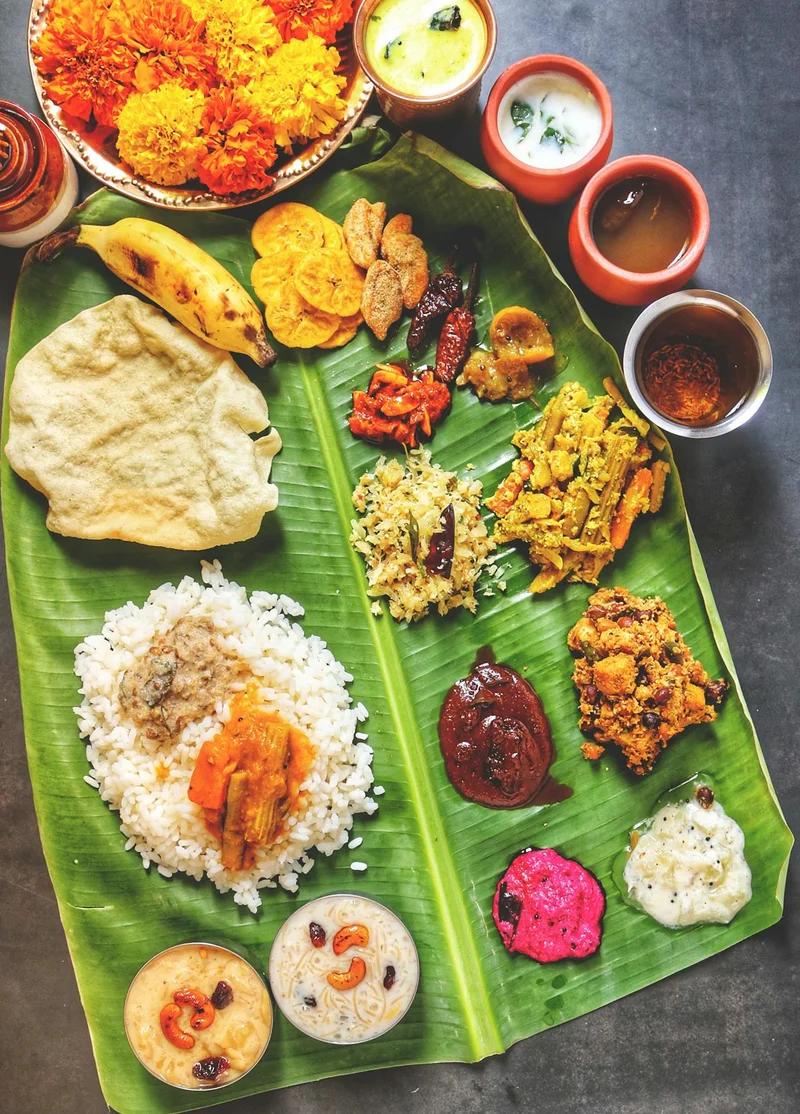
India is a sensory explosion. Every state — from Punjab’s buttery curries to Tamil Nadu’s spicy dosas — offers a taste of its cultural diversity and spice-rich history.
Mexico, a UNESCO-recognized culinary heritage, celebrates ancient ingredients like maize, cacao, and chili peppers that date back to Aztec civilization.
Thailand draws millions of visitors to its vibrant street food scene, where a plate of Pad Thai or a bowl of Tom Yum reveals layers of history and local craftsmanship.
Each of these places transforms food from a meal into a memory — proving that gastronomy tourism is as much about people and passion as it is about plates.
The Influence of Social Media and Food Creators
In today’s digital age, food travels faster than people do. Platforms like Instagram, TikTok, and YouTube have revolutionized gastronomy tourism, turning local delicacies into global trends overnight.
A recent Booking.com survey (2024) found that over 60% of Gen Z and millennial travelers choose their destinations after seeing food-related content online. A viral video of a street vendor flipping rotis or an influencer reviewing a hidden ramen bar can instantly put that place on the travel map.
Food influencers, vloggers, and travel creators act as modern-day ambassadors, spotlighting local chefs and small eateries that once existed only in word of mouth. A single post can transform an unknown market stall into a must-visit culinary stop.
Social media has democratized gastronomy tourism — you don’t need to dine at Michelin-star restaurants to experience great food; you just need to know where to look (or scroll).
The Era of Fusion and Experimentation
With globalization shrinking distances, cuisines are blending like never before. The world is now witnessing an explosion of fusion food, where chefs mix techniques, flavors, and traditions to create something entirely new.
Think of Korean tacos in Los Angeles, butter chicken pizza in London, or sushi burritos in New York. These playful combinations celebrate the diversity of modern identity — where cultures coexist and influence one another.
Younger travelers, in particular, are driving this evolution. They’re open-minded, experimental, and eager to try something that reflects creativity and innovation. Food festivals and pop-up kitchens now showcase cross-cultural menus that merge culinary histories — from Afro-Asian barbecue fusions to vegan Mediterranean street eats.
Sustainability: Eating with a Conscience
As awareness of climate change and ethical sourcing grows, sustainability has become a defining pillar of modern gastronomy tourism. Travelers increasingly prefer experiences that promote farm-to-table dining, organic ingredients, and zero-waste kitchens.
Destinations like Denmark, home to the globally acclaimed restaurant Noma, and Costa Rica, known for its eco-gastronomic initiatives, are leading examples of how culinary innovation can coexist with sustainability.
Even in urban hubs like Singapore and San Francisco, eco-conscious restaurants are crafting menus around seasonal produce and sustainable seafood. This approach appeals to travelers who care not only about taste but also about their impact on the planet.
The Future of Gastronomy Tourism
The next decade promises a deeper integration of technology, sustainability, and cultural exchange in gastronomy tourism. AI and virtual reality are already enhancing culinary experiences — from virtual restaurant previews to personalized dining recommendations based on taste preferences.
In the coming years, we can expect AI-driven food itineraries, interactive cooking workshops, and augmented reality dining that merges storytelling with sensory experiences. Meanwhile, sustainable gastronomy will continue to be at the forefront, with governments and tourism boards promoting local sourcing, waste reduction, and community empowerment.
By 2035, experts predict that 30% of international travelers will choose destinations primarily for their culinary offerings. Food, once an afterthought, will be the centerpiece of global travel strategies.
Cultural Connection Through Cuisine
At its core, gastronomy tourism is about connection — a shared table between strangers, a dialogue between cultures, and a bridge between generations. Food brings people together more effectively than any language, serving as a form of diplomacy and mutual respect.
When a traveler learns to make pasta from an Italian nonna or joins a spice market tour in Marrakech, they’re participating in something larger — a universal ritual of humanity. Food is storytelling, emotion, and memory all rolled into one.
Food has become the most powerful way to experience the world. In an era where technology connects us digitally, food connects us emotionally. As travelers continue to seek authenticity, meaning, and adventure, gastronomy will remain at the center of global exploration.
Every dish tells a story — of the land, the people, and the journey that brought it to your plate. The next time you travel, remember: the best way to understand a culture isn’t through its landmarks — it’s through its kitchen.