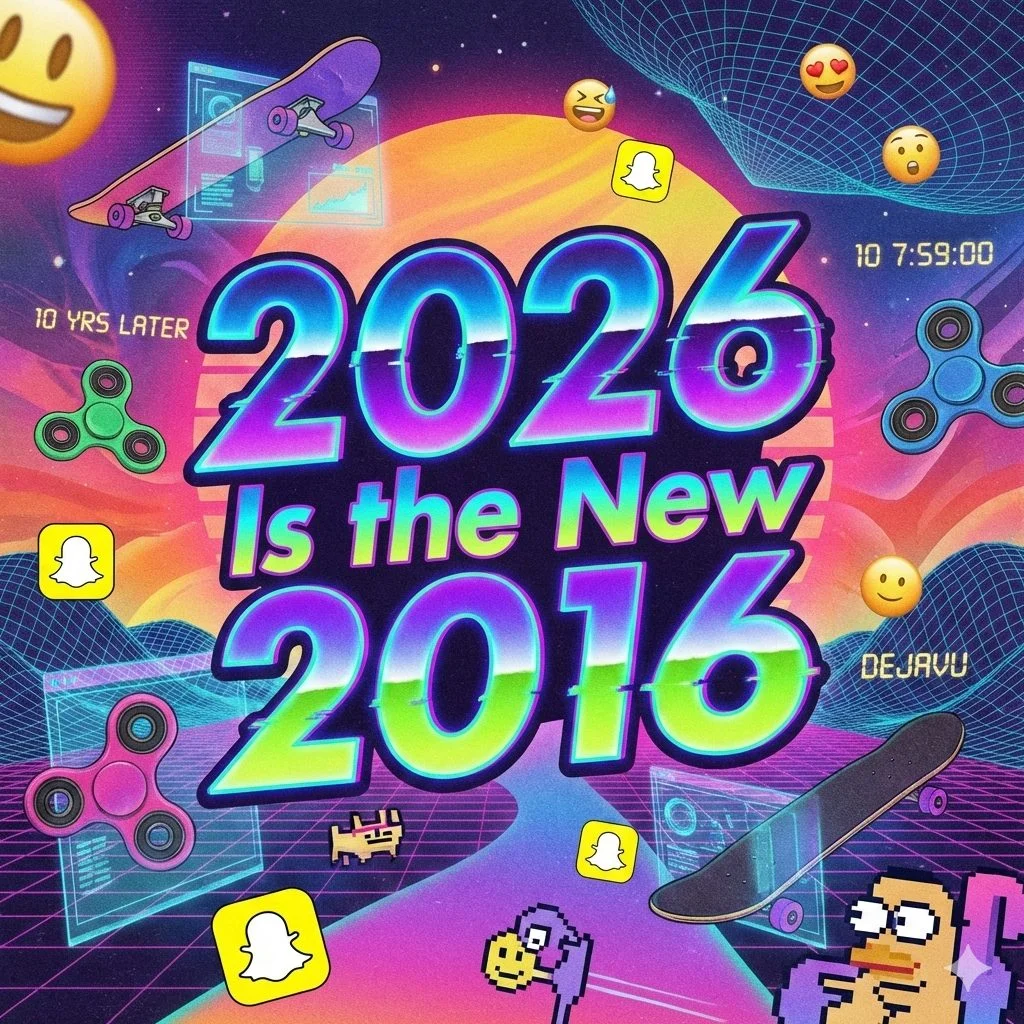
There’s something strange happening on the internet right now. You scroll through TikTok or Instagram for five minutes and you’ll see it everywhere: blurry throwback selfies, dog face filters from snapchat, old songs from a decade ago and captions that say “Happy 2016!” or “Wake up, it’s 2016 again.” The phrase “2026 is the new 2016” has become more than just a trend, it feels like a collective emotional rewind. Although you maybe curious as to why just 2026 and why not 2025 or 2024? Well let’s take a look at what this trend is all about and what does 2026 is the new 2016 mean!
Why is Everyone Calling 2026 the New 2016?
The latest trend appeared at the end of 2025 and became quite popular amongst everyone. There suddenly surged a wave in people turning their instagrams into the old 2016 version. With throwback photos, mainly of high school days, TikTok and snapchat era. 2016 is a mid-decade past that isn’t too old nor too new it fits right in the middle of an age where we almost went through a major change. Whereas in contrast 2026 looks completely different is an age where the AI era will only grow upward, new gen alpha babies will be born in the AI generation. It’s like living in a new world itself yet craving for a much simpler life.
People on social media are now posting old photos and videos from 2016, recreating hashtags like #2016Vibes, #BackTo2016, etc. They are using retro filters and aesthetic styles that were popular then, sharing decade-old memes, music clips and iconic cultural moments. Many are using the captions of Wake up, it’s 2016 again! Celebrities and Actors like Selena Gomez, Ananya Panday, Karen Kapoor, Kylie Jenner and many more have shared their own 2016 photos with fun captions, joining the trend alongside fans.
This trend exploded on TikTok, where searches for “2016” had surged by hundreds of percent and millions of videos now use 2016-inspired filters to recreate the visual feel of that era. For content and to hop on the trend people have gone to different extents. As we know music has always played a huge role.
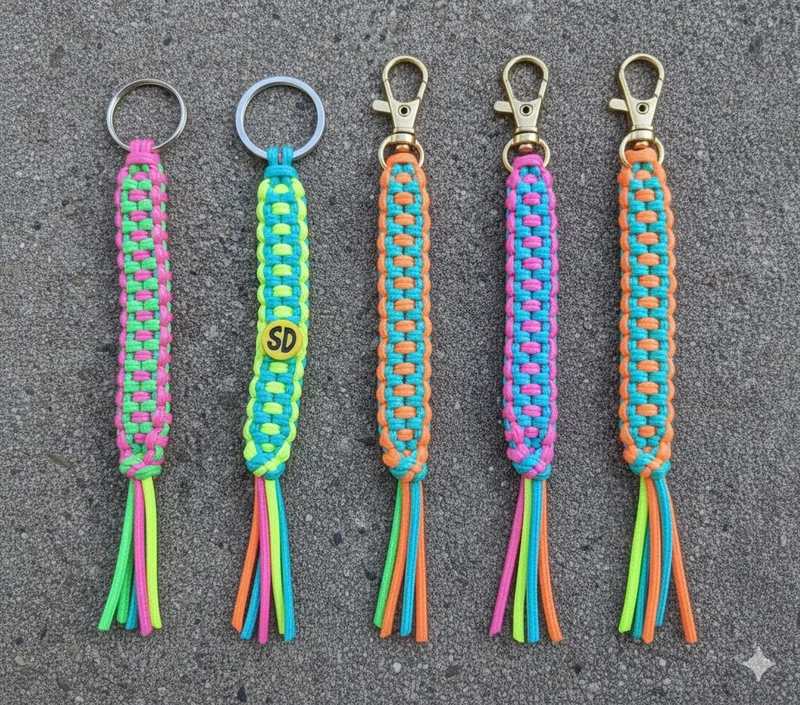
The reason the phrase “2026 is the new 2016” is trending all over social media is because people are looking back at 2016 as a simpler, more carefree time on the internet. Back then trends were started not by the internet but by one kid in the 8th or 9th grade doing something crazy. I still remember being in school around that time and the raze for making random keychains out of colorful plastic strings was a thing. Every kid had them we’d sit during free lectures or mid class, braiding and looping those long Scooby chains. Some made bracelets, rings and some of us just keychains for bags.
Obsessions during those time just bought out a creativity within you, but today in the age of AI our obsessions are with getting ready-made answers from ChatGPT, generating videos through AI apps and creating music through AI content.
There was a time when more than opening our phones to search for answers we used to hunt for Pokemon’s. That one game of Pokémon Go had all of us hooked and running outside just to catch virtual creatures. Then came the meme culture where stickers and memes became a thing and were thriving on platforms like Vine and early Snapchat days. Quotes like “Damn Daniel” or “What are thooose?” weren’t just memes — they became things people actually said in real life. Challenges like the Mannequin Challenge weren’t done for brand deals. They were done because they were fun.
Back then in 2016 social media felt more natural more like yourself, today in 2026 we think almost 50 times before posting a picture (all because of the internet and its nosy creatures). Imagine bringing back those old days of flower crown filters, dog filters, posting random selfies with no makeup looks. No one was trying so hard to make it look aesthetic or perfect. It carried more energy, more happiness, less thinking of what he or she would say. That’s exactly why 2016 is now being reimagined (imagine a world where we are just ourselves). Even the music of that era, with global hits from artists like Rihanna, Drake, and The Chainsmokers, became part of everyday life and defined the mood of the time.
Fast forward to 2026, and trends have completely changed in nature. In 2016, a trend lasted months. In 2026, a trend lasts twelve hours before it gets replaced by something even stranger. Today’s internet is shaped by rapid algorithms, constant microtrends, and the rise of advanced technology. Instead of fidget spinners and Pokémon cards, collectibles like Labubus have become the new obsession, appearing as bag charms and aesthetic décor across Instagram and TikTok. It’s the same kind of craze, but somehow more aesthetic, more expensive, and more online. Back then, you traded keychains with friends. Now, people refresh websites to buy limited-edition dolls before they sell out.
And then there’s the biggest shift of all: Artificial Intelligence (AI)
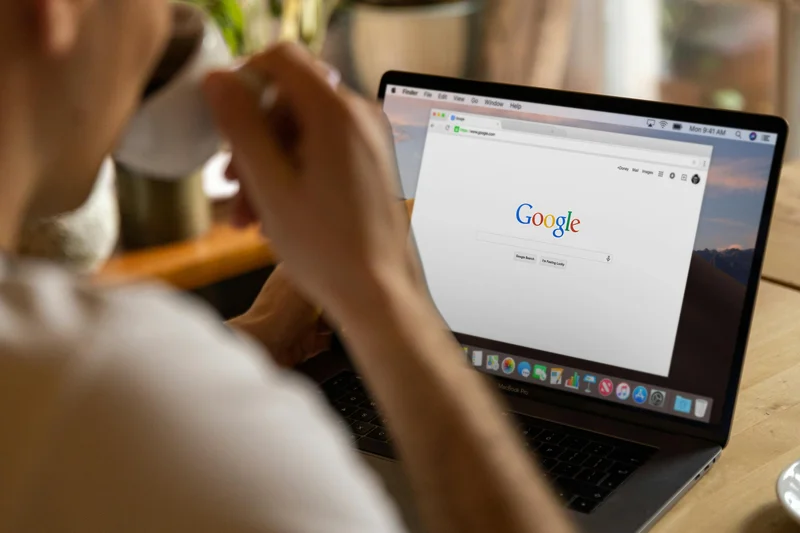
These tools are now central to online culture, from AI photo editors and voice generators to content creation apps that make everything look polished instantly. Trends also move much faster now, often lasting only hours before being replaced by something new, sometimes even silly or confusing. Unlike 2016, where trends felt community-based and long-lasting, 2026 feels more curated, fast-paced, and digitally overwhelming. In 2016, we used to have apps like InCollage or PicsArt where we used to edit images all by ourselves, write 800 word essays without the help of AI. Technology was just growing, companies were not all about marketing and luring people into buying things. Instagram stories and reels were new. Before Instagram Threads Twitter was the place for news and meme content. Now, AI tools can write your captions, edit your face, generate your voice, and create influencers who aren’t even real people. Content is sharper, smarter, and more advanced than ever, but it also feels less human.
Now, AI tools can write your captions, edit your face, generate your voice, and create influencers who aren’t even real people.
Content is sharper, smarter, and more advanced than ever, but it also feels less human.
That is exactly why nostalgia has become such a powerful trend in itself. People aren’t just revisiting old photos for fun, they are craving the emotional comfort of a time when social media felt more personal and less pressured. The “2026 is the new 2016” wave reflects how many users miss the authenticity of that earlier internet era, making 2016 feel like a cultural reset point compared to today’s hyper-edited, AI-driven world.
Of course, 2016 wasn’t perfect. No year is. But nostalgia doesn’t work like logic. Nostalgia works like emotion. It highlights the warmth, the simplicity, the comfort of remembering who you were before the world sped up.
Maybe that’s what this trend is really about.
In a world where AI can generate anything, where trends appear and disappear in seconds, where the internet feels louder than ever, people are searching for something familiar. Something real.
Sometimes that familiarity is an old selfie with a flower crown filter.
Sometimes it’s a song that instantly takes you back.
Sometimes it’s remembering a classroom where everyone was making colourful string keychains and thinking that was the biggest thing in the world.
And honestly?
Maybe that kind of simplicity is exactly what we miss.