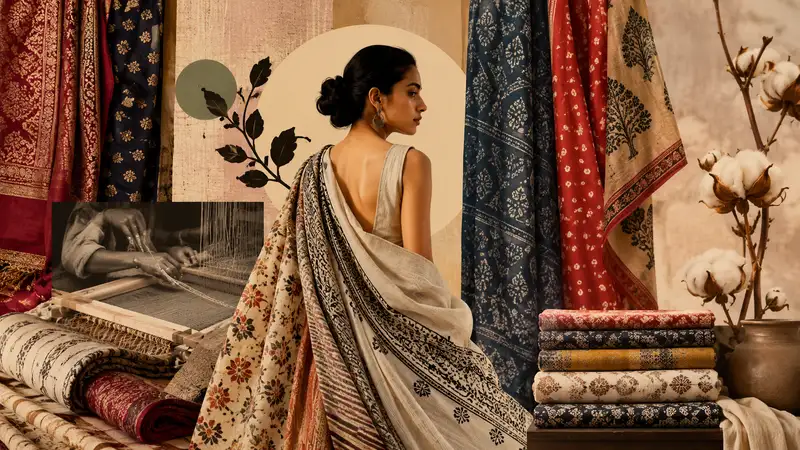

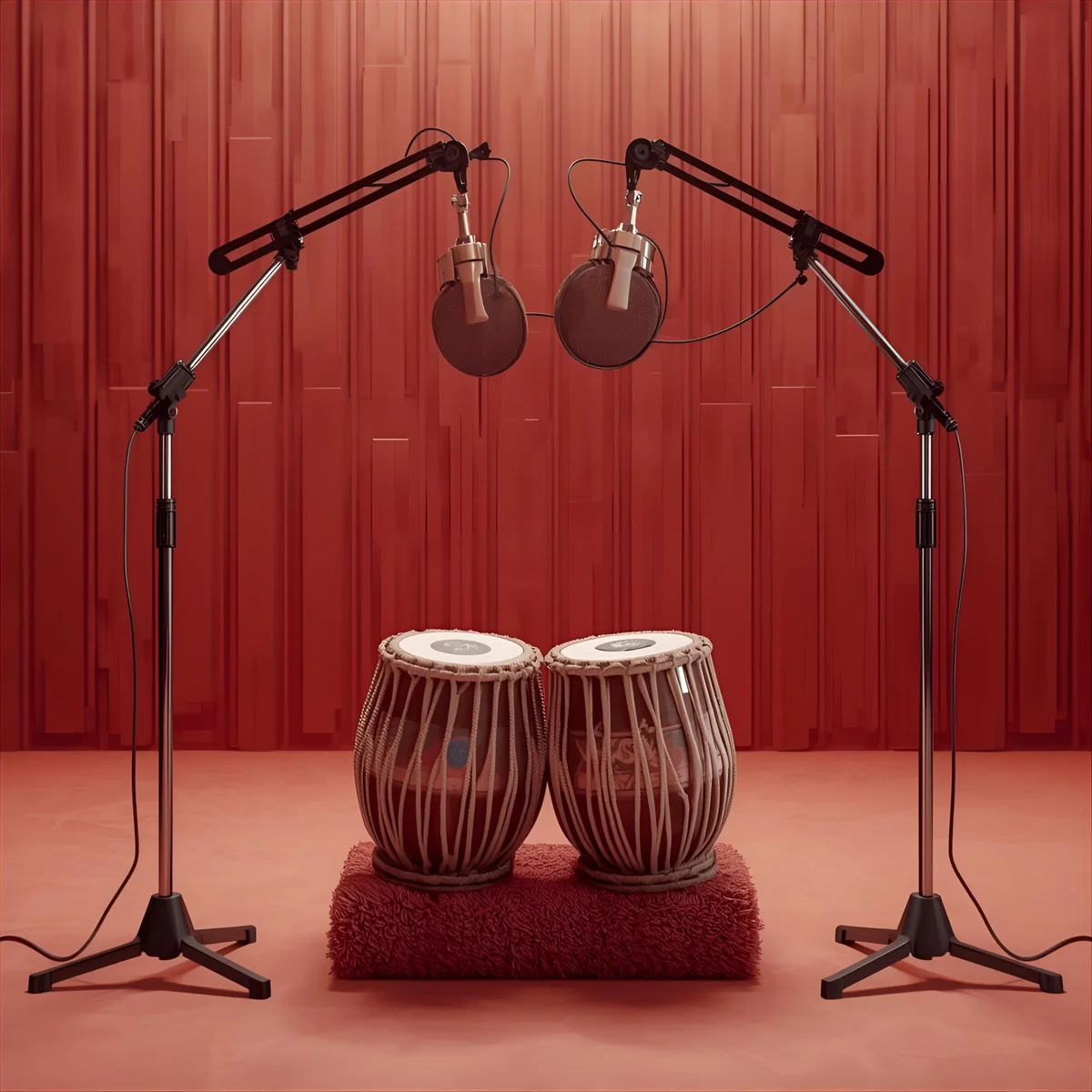
Friday nights were once seen as partying, clubbing, drinking but today those scenes are changing. They are no longer about dim lights, techno beats and vodka shots. India’s youth are now vibing to bhajans in clubbing arenas. A new kind of Friday night is emerging, one where young people raise their hands not for a DJ drop, but for a devotional chorus.
This shift may surprise many who believe Gen Z is detached from tradition or uninterested in faith. Yet, the numbers say otherwise. According to an MTV Youth Study in 2021 almost 62 % of India’s Gen Z believe spirituality helps them gain clarity. So the portrayal of gen-z being the most immature and not responsible generation is actually false, well most of us may still enjoy nightlife and partying yet our faiths are strong. So to take this modern world to another level and bring it out in a very Gen-Z way, the new trend of bhajan clubbing is now keeping everyone engaged.
What Is Bhajan Clubbing?
Bhajan clubbing is a new trend in the world of gen-Z where devotional music meets the modern world. It means instead of disco lights, energetic crowds and a DJ today the room is full with bhajan, kirtans and chants. Imagine you and your friends sitting in group in simple traditional attire maybe a kurti and jeans, under the warm candlelight mixed with soft disco lights, floral decor and the crowd swaying with closed eyes to the gentle sound of religious music instead of jumping to rock and pop music.
These events are no longer happening in temples but today they are all over the cities of India happening at cosy cafes, community clubs, music festivals, and creative venues. For young people who want spirituality without the formality, this is the perfect middle ground where one can feel comfortable, no forceful participation and they are more expressive in their own ways.
Why This Trend Speaks So Strongly to Gen Z
To understand why bhajan clubbing resonates with young people, you have to look at the emotional landscape of Gen Z. This is a generation exposed to constant comparison, career pressure, competitive academics, information overload, and the non-stop pace of social media. Peace can feel like a luxury. Bhajan clubbing offers a break but a meaningful one. For many, it’s a chance to slow down without disconnecting socially. They can spend time with friends, relax, and still nourish their inner world. It reconnects them to their cultural identity without feeling preachy or traditional. The spaces feel safe, warm, youthful, and expressive.
And of course, social media plays a major role. Videos of candle-lit rooms, crowds singing “Raghupati Raghav” with energy, and DJs mixing Sanskrit mantras with soft electronic music create a powerful aesthetic that appeals to younger audiences. The trend not only feels good but it looks good. That makes it easy for Gen Z to share, recreate, and celebrate.

Tradition Meets Trend: The Creative Fusion
What makes bhajan clubbing truly unique is because it blends tradition with modern creativity. Organizers and musicians are giving devotional music a fresh twist while keeping its soul alive. You’ll find DJ consoles set up next to dholaks and harmoniums, bhajans mixed with soft EDM or lo-fi beats, and temple-style décor enhanced with cool lighting and projections. Influencers, spiritual artists, and young musicians often come together on stage, creating a vibe that feels both devotional and fun.
This fusion doesn’t aim to modernize tradition for the sake of relevance; it aims to make spirituality feel alive for a generation that enjoys sensory experiences. It’s immersive, emotional, and deeply aesthetic — something Gen Z relates to immediately.
Spirituality 2.0 — The Bigger Global Shift
Bhajan clubbing isn’t an isolated trend. It is part of a bigger movement across the world where young people are seeking spirituality without strict religion. Yoga studios, sound healing circles, breathwork sessions, affirmation workshops, and meditation communities have all seen a massive rise — especially among people in their teens and twenties.
For Gen Z, spirituality is no longer about rituals passed down unquestioned. It’s about experience, peace, mental well-being, and connection. Bhajan clubbing fits perfectly into this frame. It’s open, inclusive, and non-judgmental. There’s no pressure to know the lyrics or follow tradition perfectly. You simply show up and feel the vibe.
What Experts Are Saying
Cultural experts describe this as the “repackaging of tradition,” where heritage is not rejected, but reinterpreted. Youth are exploring identity on their own terms, blending devotional roots with digital-age lifestyles. Twitter users are happily tweeting about how Gen Z is changing tradition with modern ways and how they are supportive of this generation because these changes are leading them to faith and to do more good than bad.
Psychologists also highlight that group singing, rhythmic chanting, and shared emotional experiences release hormones that reduce stress and create belonging. This makes bhajan clubbing not just a trend, but a wellness tool.
Meanwhile, musicians who participate say the energy at these events is unlike anything else — intimate, interactive, and full of positive emotion.
Where Is This Trend Headed?
The future of bhajan clubbing looks promising and innovative. As interest grows, we might soon see:
- Bhajan clubbing as a regular feature at colleges, youth fests, and community events
- Customized wellness retreats that blend travel, meditation, and devotional nightlife
- International versions of the trend, especially in Indian communities abroad
- More musicians experimenting with genre-blending devotional tracks
There will always be conversations about commercialization or dilution. But Gen Z’s perspective is simple: they’re not disrespecting tradition; they’re finding new ways to keep it alive.
Bhajan clubbing is more than a trend, it’s a cultural moment. It shows how Gen Z is confidently reshaping spirituality, blending devotion with creativity, mindfulness with nightlife, and culture with coolness.
For today’s youth, partying isn’t just an escape.
It’s a way to find peace, purpose, and connection to a brand-new kind of beat.