In a world where we encounter many product launches, beauty influencers endorsing various items or cosmetics, and, of course, the big billion sale days. We are often swayed by these marketing gimmick and end up spending more money on items that either 1) might not be suitable for our skin or 2) would be a waste of money. One thing that never changes in this circle is the excessive hoarding of skincare and beauty items that we barely ever use. Half-used lipsticks, two or three makeup kits, eyeshadow pallets that are nearly approaching their expiry date, and a few more undesirable and costly products are crammed into our drawers. The term “Project Pan” arises as a quiet but strong movement in the cosmetics industry against this excessive consumption or hoarding of goods. Not many people know what it is, but its relevance is needed to promote conscious consumption, good use, and a strong bond with beauty goods (the ones in your cupboard, not your shopping cart).
What Is Project Pan?
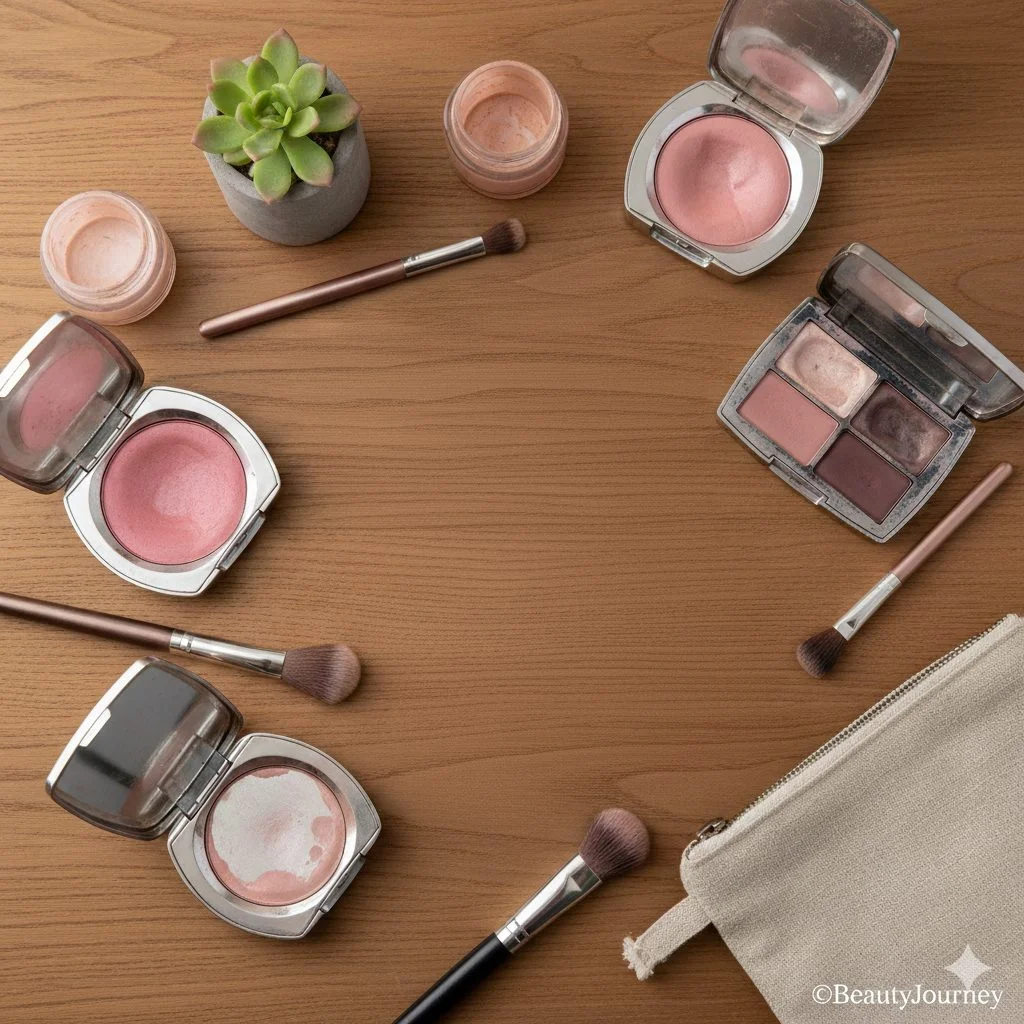
Project Pan is a personal beauty challenge where individuals commit to using up (“panning”) the products they already own before buying new ones. The term “pan” comes from makeup culture when you use a powder product enough to hit the metal pan at the bottom. Over time, it has expanded beyond makeup to include skincare, haircare, and even fragrance.
At its core, Project Pan is not about restriction or deprivation. Instead, it’s about being aware of what you own, how you use it, and why you keep buying. It raises a simple yet powerful question: Do I truly need this, or do I already have something that serves the same purpose?
Why It Matters Today
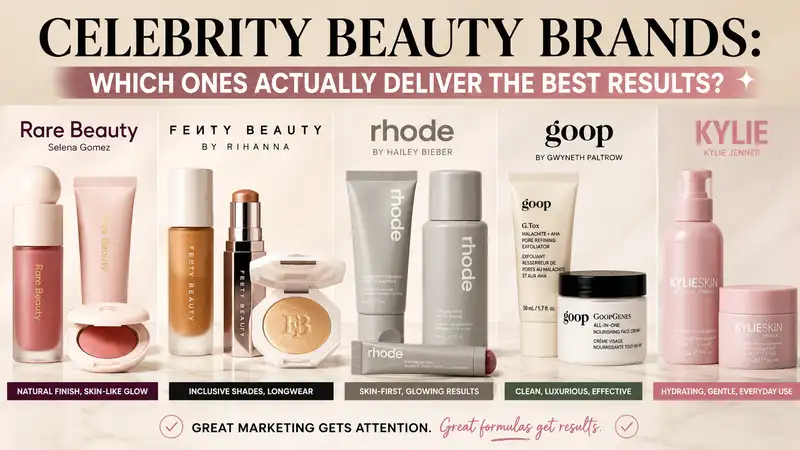
The beauty industry thrives on novelty. New shades, reformulations, celebrity brands, and viral trends encourage consumers to keep buying. While this fuels creativity and innovation, it also leads to waste—both financial and environmental.
Project Pan counters this cycle by encouraging:
- Reduced waste, as products are fully used instead of discarded.
- Financial mindfulness, by cutting down impulse purchases.
- Emotional clarity, by reducing guilt associated with unused products.
- Sustainable habits, aligning beauty routines with eco-conscious values.
In an age where sustainability and mental well-being are increasingly important, Project Pan offers a practical way to align personal habits with larger ethical concerns.
How It Encourages Mindful Consumption
Mindful consumption means being intentional about what we buy, use, and keep. This project fosters this in several ways:
- Awareness of Inventory– The first step in any Project Pan is taking stock of what you already own. This can be eye-opening. Many participants discover multiple similar products—five nude lipsticks, three nearly identical blushes, or unopened backups.Example: Someone doing Project Pan may realize they own 10 moisturizers, yet always reach for just one. This awareness naturally curbs the urge to buy more.
- Intentional Usage – Instead of chasing the “next best thing,” Project Pan encourages consistent use of existing products. This helps users truly understand what works for them.Example: A person focusing on finishing one foundation learns how it performs across seasons, skin changes, and application methods, knowledge that leads to smarter future purchases.
- Breaking Impulse Buying Habits – When you commit to finishing what you have, impulsive shopping loses its appeal. The excitement shifts from buying to finishing.Example: Rather than purchasing a viral eyeshadow palette, a Project Pan participant recreates similar looks using shades they already own.
- Appreciation Over Accumulation– Project Pan reframes beauty as something to be enjoyed, not hoarded. Finishing a product becomes a small achievement, fostering gratitude rather than excess.
Types of Project Pan Challenges
Project Pan is flexible and personal. There’s no single “right” way to do it. Some popular formats include:
- Classic Project Pan: Select a fixed number of products (for example, 10) and aim to finish them completely.
- Pan That Palette: Focus on using one eyeshadow palette extensively for a set period.
- Rolling Project Pan: As soon as you finish one product, you roll in another.
- Seasonal Project Pan: Choose products to use up within a specific season.
- Low-Buy or No-Buy Project Pan: Combine panning with strict limits on new purchases.
This flexibility makes Project Pan accessible to beginners and seasoned beauty enthusiasts alike.
Real-Life Examples of Project Pan in Action
- Makeup:
A college student commits to using one compact powder daily instead of switching between multiple products. Over three months, they finish it completely and realize they don’t need high-end replacements. - Skincare:
Someone with sensitive skin focuses on finishing one gentle cleanser and moisturizer instead of experimenting with multiple actives. Their skin barrier improves, proving that consistency often beats variety. - Fragrance:
A fragrance lover chooses one perfume to wear daily for six months. Not only do they finish the bottle, but they also form a stronger emotional connection to the scent. - Haircare:
By using one shampoo and conditioner set until empty, a participant avoids product buildup and saves money that would have gone into unnecessary alternatives.
The Psychological Benefits of Project Pan
Beyond sustainability, Project Pan has notable mental and emotional benefits. Finishing products provides a sense of closure and accomplishment. It reduces decision fatigue—fewer choices mean less stress. It also helps detach self-worth from consumption, a common issue in beauty culture.
Many people report feeling calmer and more in control after starting Project Pan. The clutter decreases, routines become simpler, and shopping becomes intentional rather than emotional.
Project Pan and Sustainability
Beauty packaging contributes significantly to plastic waste. By fully using products, Project Pan reduces premature disposal. It also encourages consumers to:
- Choose refillable or recyclable packaging in the future
- Support brands with transparent sustainability practices
- Buy fewer but better-quality products
While Project Pan alone cannot solve environmental issues, it represents a meaningful step toward responsible consumer behavior.
Is Project Pan Anti-Beauty?
Not at all. Project Pan does not discourage creativity or enjoyment. Instead, it shifts focus from constant acquisition to meaningful use. You can still enjoy trends, experiment with looks, and treat yourself—just with intention.
The goal is balance, not perfection.
Project Pan is more than a beauty challenge, it’s a mindset. It teaches that mindful consumption begins with awareness, continues through intentional use, and results in satisfaction rather than excess. In a culture that often equates newness with happiness, this concept reminds us that value already exists in what we own. By choosing to finish before buying, appreciate before accumulating, and use before replacing!