

















With over 8.7 million animal species on Earth, caring for animals goes beyond compassion—it is both a humanitarian act and, for many, a rewarding career. For animal lovers, the question often arises: how can passion for animals turn into a profession? The demand for animal-related careers is growing, particularly as incidents of animal cruelty rise. According to the 2023 FIAPO report, over 20,000 intentional and brutal acts against animals were recorded in the previous decade, with estimates suggesting around 50 cases of cruelty daily. From nurturing pets to conserving endangered wildlife and advancing scientific research, opportunities to work with animals are vast. These roles offer not just employment, but a sense of purpose and connection to the natural world. India’s pet care industry hit US$3.6 billion in 2024 and is expected to double by 2028, with projections reaching INR 2.1 trillion by 2032. Careers in this sector are more than jobs—they are a chance to make a meaningful difference.
Why Are Animal-Based Careers Needed Today?
The demand for animal-related careers is growing rapidly due to urbanization, public health concerns, sustainability, and social responsibility. With more urban families owning pets, trained care professionals and specialized services are increasingly needed to ensure proper care and wellbeing. Veterinary experts play a vital role in preventing zoonotic diseases and maintaining food safety, while careers in conservation, animal genetics, and precision farming promote sustainable, efficient, and ethical practices. Furthermore, animal welfare roles are essential in combating neglect and cruelty—for example, rescuing abused street dogs or rehabilitating mistreated farm animals—ultimately improving community health, awareness, and protection for animals.
Career Paths for Animal Lovers
a) Veterinary Careers
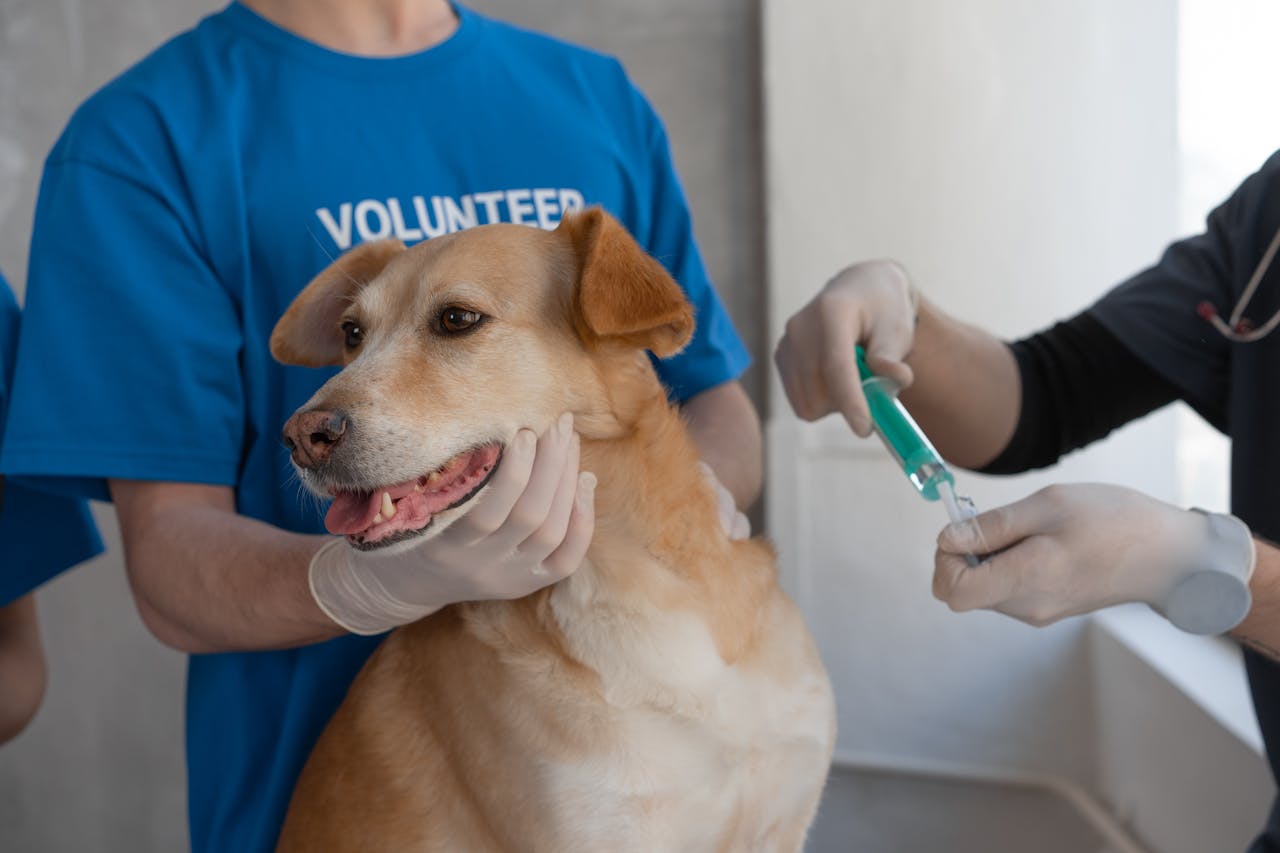
- Veterinarian: Diagnose and treat illnesses, perform surgeries, and provide preventive care.
- Veterinary Technician/Assistant: Assist veterinarians with surgeries, lab work, and patient care.
Education Required:
- Veterinarian: Bachelor’s degree (pre-veterinary courses) + Doctor of Veterinary Medicine (DVM)
- Veterinary Technician: Diploma, associate degree, or certification in veterinary technology
Skills Needed:
- Strong knowledge of biology, chemistry, and anatomy
- Compassion, patience, and empathy
- Physical stamina and manual dexterity
b) Animal Care and Management
- Zookeeper: Care for animals in zoos, maintain habitats, monitor health and behavior.
- Animal Shelter Worker/Manager: Rescue, rehabilitate, and organize adoptions for abandoned animals.
- Pet Groomer/Trainer: Groom pets and train them for behavior or specialized skills.
Education Required:
- Zookeeper: Bachelor’s in zoology, animal science, or biology
- Shelter worker: Diploma/associate degree in animal care or volunteer experience
- Pet trainer: Certification in animal behavior and training
Skills Needed:
- Strong observational skills
- Communication and interpersonal skills
- Problem-solving and quick thinking in emergencies
c) Wildlife and Conservation Careers
- Wildlife Biologist: Study animals in natural habitats and contribute to conservation efforts.
- Conservation Officer: Protect wildlife, enforce laws, and promote awareness.
- Marine Biologist: Study aquatic species and ecosystems, often through field research.
Education Required:
- Bachelor’s or master’s in wildlife biology, environmental science, ecology, or marine biology
- Field experience through internships or volunteer programs
Skills Needed:
- Analytical skills and research ability
- Physical endurance for outdoor work
- Passion for conservation and environmental protection
d) Research and Science Careers
- Animal Behaviorist: Study animal psychology to improve care, training, or conservation.
- Laboratory Animal Scientist: Conduct ethical research on animal diseases, genetics, or medicine.
- Geneticist/Zoologist: Research animal genetics, evolution, or biodiversity.
Education Required:
- Bachelor’s, master’s, or PhD in biology, zoology, genetics, or related fields
Skills Needed:
- Research, analytical, and critical thinking
- Patience and precision in experiments
- Strong ethical decision-making
e) Alternative Animal Careers
- Animal-Assisted Therapist: Use animals to support mental health or physical rehabilitation.
- Pet Photographer/Writer: Combine creativity with animal passion in media or literature.
- Animal Control Officer: Manage stray animals, enforce laws, and promote public safety.
Education Required:
- Varies: certifications, short courses, or degrees in psychology, media, or law enforcement
Skills Needed:
- Creativity and empathy
- Adaptability to diverse work environments
- Understanding of human-animal interactions
Education
Education requirements vary by career:
- Entry-level positions: High school diploma with on-the-job training (e.g., animal caretaker, shelter worker).
- Technical/professional roles: Associate or bachelor’s degrees in veterinary technology, zoology, biology, or animal science (e.g., veterinary technicians, zookeepers).
- Advanced careers: Master’s or doctoral degrees in specialized fields such as wildlife biology, animal genetics, or animal-assisted therapy.
Skills Required
Successful animal professionals share several key skills:
- Empathy and Compassion: Understanding animals’ needs and behaviors.
- Physical Stamina: Many roles involve lifting, standing, or long hours.
- Observation Skills: Detecting subtle signs of illness or stress.
- Problem-Solving: Quick and effective decision-making in emergencies.
- Communication and Teamwork: Interaction with colleagues, clients, or the public.
- Technical Proficiency: Especially for specialized roles like veterinary technicians or photographers.
How to Get Started in This Career
Volunteer or Intern: Gain practical experience at shelters, zoos, wildlife sanctuaries, or research labs.
Choose the Right Education Path: Identify whether your interest is in hands-on care, research, or management.
Get Certified: Certifications improve employability (e.g., Veterinary Technician, Pet Training, Wildlife Conservation).
Build a Network: Join professional associations such as WWF, AVMA, or IMATA.
Start Small and Gain Experience: Begin with entry-level roles and progress through continuous learning via workshops, courses, and conferences.
Top Veterinary Universities in India
| University | Location | Degree Offered |
| Indian Veterinary Research Institute (IVRI) | Bareilly | B.V.Sc & A.H., M.V.Sc, PhD |
| Tamil Nadu Veterinary and Animal Sciences University (TANUVAS) | Chennai | B.V.Sc & A.H., M.V.Sc, PhD |
| Guru Angad Dev Veterinary and Animal Sciences University (GADVASU) | Ludhiana | B.V.Sc & A.H., M.V.Sc, PhD |
| Punjab Agricultural University | Ludhiana | B.V.Sc & A.H., M.V.Sc |
| Karnataka Veterinary, Animal and Fisheries Sciences University (KVAFSU) | Bidar | B.V.Sc & A.H., M.V.Sc |
| Rajasthan University of Veterinary and Animal Sciences (RAJUVAS) | Bikaner | B.V.Sc & A.H., M.V.Sc, PhD |
| West Bengal University of Animal & Fishery Sciences (WBUAFS) | Kolkata | B.V.Sc & A.H., M.V.Sc, PhD |
| Orissa University of Agriculture and Technology (OUAT) | Bhubaneswar | B.V.Sc & A.H., M.V.Sc, PhD |
Top Veterinary Universities Abroad
| University | Country | Degree Offered |
| University of California, Davis | USA | D.V.M, PhD |
| Cornell University, College of Veterinary Medicine | USA | D.V.M, M.S., PhD |
| Royal Veterinary College, University of London | UK | BVM&S, MVM, PhD |
| University of Sydney, Faculty of Veterinary Science | Australia | Bachelor of Veterinary Science, D.V.M, PhD |
| Utrecht University, Faculty of Veterinary Medicine | Netherlands | DVM, MSc, PhD |
| University of Guelph, Ontario | Canada | DVM, MSc, PhD |
| Texas A&M University, College of Veterinary Medicine | USA | D.V.M, M.S., PhD |
| University of Edinburgh, Royal (Dick) School of Veterinary Studies | UK | BVMS, MVM, PhD |