








Indian education is changing. Between the pressure of exams, the constant pull of digital devices, and rising stress levels among students, schools are being pushed to rethink what they’re truly preparing kids for. Test scores matter, sure, but what about resilience? What about emotional intelligence? What about teaching students how to actually handle the world they’re growing up in?
These are the questions driving a new wave of educational reform. And at Birla Open Minds, they’re not just talking about change; they’re building a curriculum around it.
For decades, India’s education system has stood on a simple promise: study hard, score well, succeed in life. But a growing number of educators are beginning to ask whether good grades alone can prepare children for a world that values empathy, resilience, and emotional intelligence as much as academic knowledge.
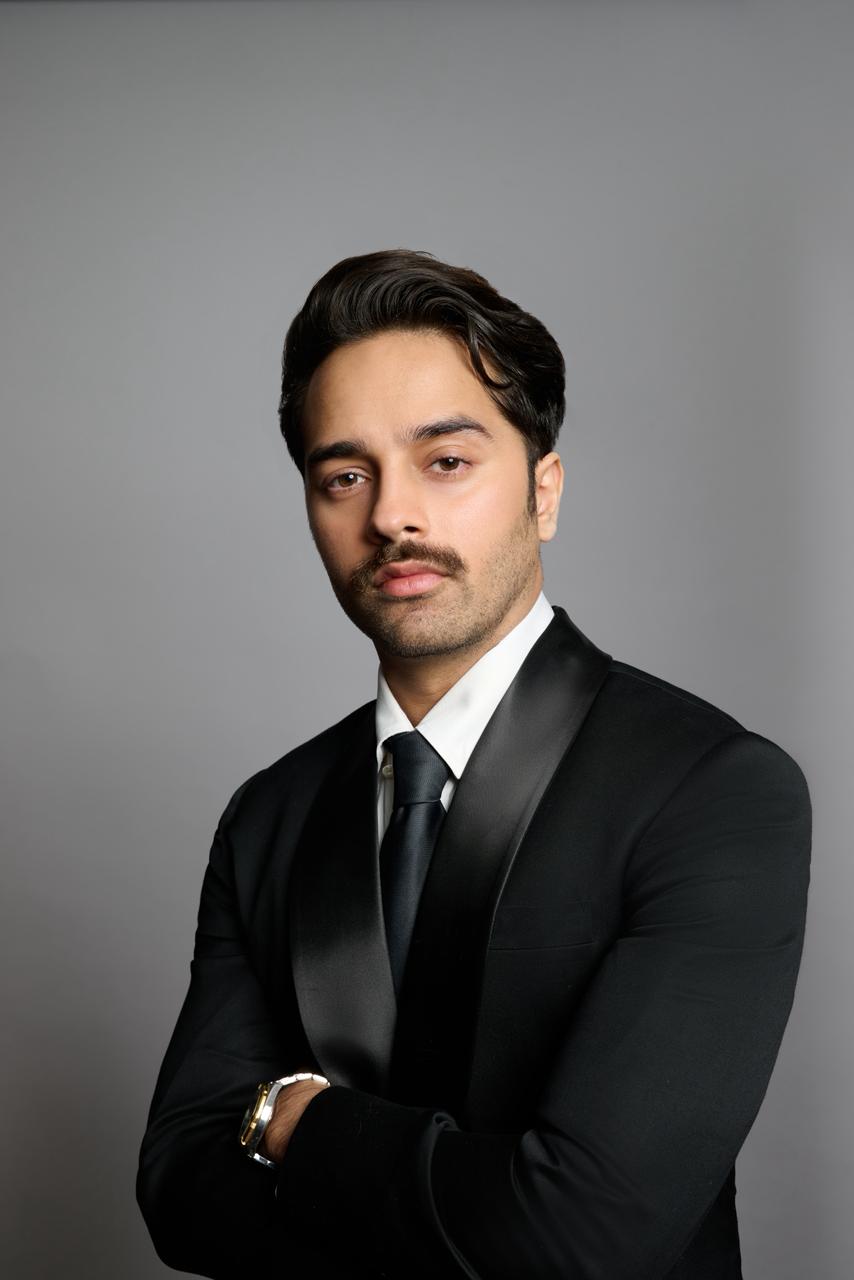
One of those educators is Nirvaan Birla, Managing Director of Birla Open Minds and Birla Brainiacs. Instead of following the traditional route, he’s chosen a different path, reshaping how Indian schools think about student development.
A Global Perspective Meets Indian Values
Birla’s time at the University of Westminster, pursuing his Master’s degree, was a major factor in the evolution of Birla Open Minds and Birla Brainiacs. The academically diverse environment made him see the difference in education – how it can focus on critical thinking, being creative, and even holistic growth, besides the regular academics.
“Experiencing firsthand how education systems abroad integrate critical thinking, creativity, and holistic growth inspired my ambition to revolutionise Indian education,” he says.
However, a revolution is not necessarily a complete turnaround from what is good. In Birla Open Minds, empathy, integrity, and respect – three traditional Indian values – are the pillars of a modern, globally-minded curriculum. Students are taught both moral values and world-class skills. They are taught to be proud of their culture and, at the same time, to have a global outlook.
Soul Science
The centrepiece of Birla’s educational philosophy is something called Soul Science, a program that might raise eyebrows among parents who think report cards are all that matter.
“Education today must transcend traditional academic boundaries to address the complete development of children, intellectually, emotionally, and spiritually,” Birla argues.
In practical terms, Soul Science means mindfulness practices, emotional intelligence activities, and self-awareness exercises built into the school day. Younger kids learn through storytelling and play. Older students engage in dialogue and apply these concepts to real-world situations.
The program adapts to different age groups with activities like guided meditation, mindful breathing, and reflective exercises. Teachers receive training to make sure the delivery is age-appropriate and actually lands with students.
Making the Case for Emotional Intelligence
Sure, the parents are not easy nuts to crack. They are not used to looking at Math and Mediation as co-pilots in their kids’ academic journey. For them, school work still holds the top spot in the priority list.
Birla treats things differently. Instead of just telling, he shows. He shows examples of changes in students’ confidence, empathy, and general health. The idea is that emotional and spiritual development isn’t separate from academic success, but supports it.
“By demonstrating real-world benefits and preparing children for both careers and life, we help families see the holistic value,” he says.
And supporting evidence drives this approach further. Birla gives as examples students whom he has witnessed improve in their coping strategies, their emotional resilience, and their self-regulation. In a time when stress levels among school students are climbing, these aren’t small wins.
“Regular practice of mindfulness helps students handle academic pressures, anxieties about digital life, and personal challenges in a constructive way,” he notes.
Part of a Larger Movement
Birla Open Minds isn’t operating in isolation. The CBSE-NCERT-UNESCO School Health and Wellness Programme recently trained over 290 educators to promote wellness across more than 30,000 schools. The program represents a shift in thinking about what schools should do, creating emotionally safe classrooms where students can express themselves, manage stress, and build real relationships.
This kind of environment, Birla believes, is where creativity, confidence, and compassionate leadership actually develop.
Looking Forward
When Birla thinks about the future, he sees holistic education as the foundation for India’s next generation of leaders. He imagines schools that nurture curiosity, resilience, digital literacy, and social responsibility.
“Our goal is to prepare students to be empathetic, ethical citizens equipped to lead in a rapidly changing world,” he says.
His message to students reflects that vision: “Embrace learning in all its forms, academics, arts, sports, and values. Be curious, kind, and mindful. The world needs leaders who care, who think beyond themselves, and who strive for excellence not just in achievement but in character.”
It’s an ambitious goal. But for someone who chose education as his path to nation-building, ambition seems to come with the territory.