












Sometimes we find ourselves questioning over what would it take for us to go back to the good old days? And maybe it’s time we realize that we must pause, reflect and breathe. We all have been so caught up in this cat race that we have forgotten what it feels like to live a simple nomad life. And a few later after noticing how complex everything is getting around us. The world is noticing a shift. Almost 55% of the people in urban and semi-urban regions are now moving away from luxury cars, high-end gadgets and materialistic things. In fact, they are working on making experiences and living a holistic life. This transition is not about rejecting material comfort altogether, but about redefining what it means to live a meaningful and balanced life.
What is Holistic Living?
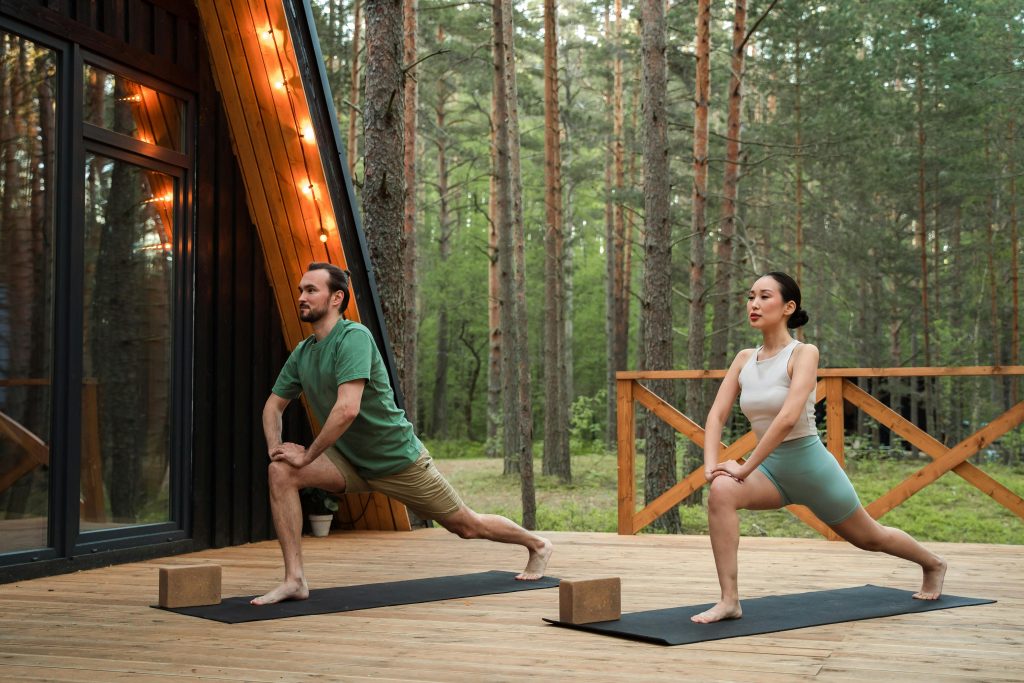
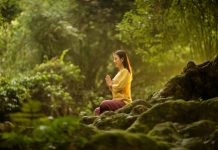
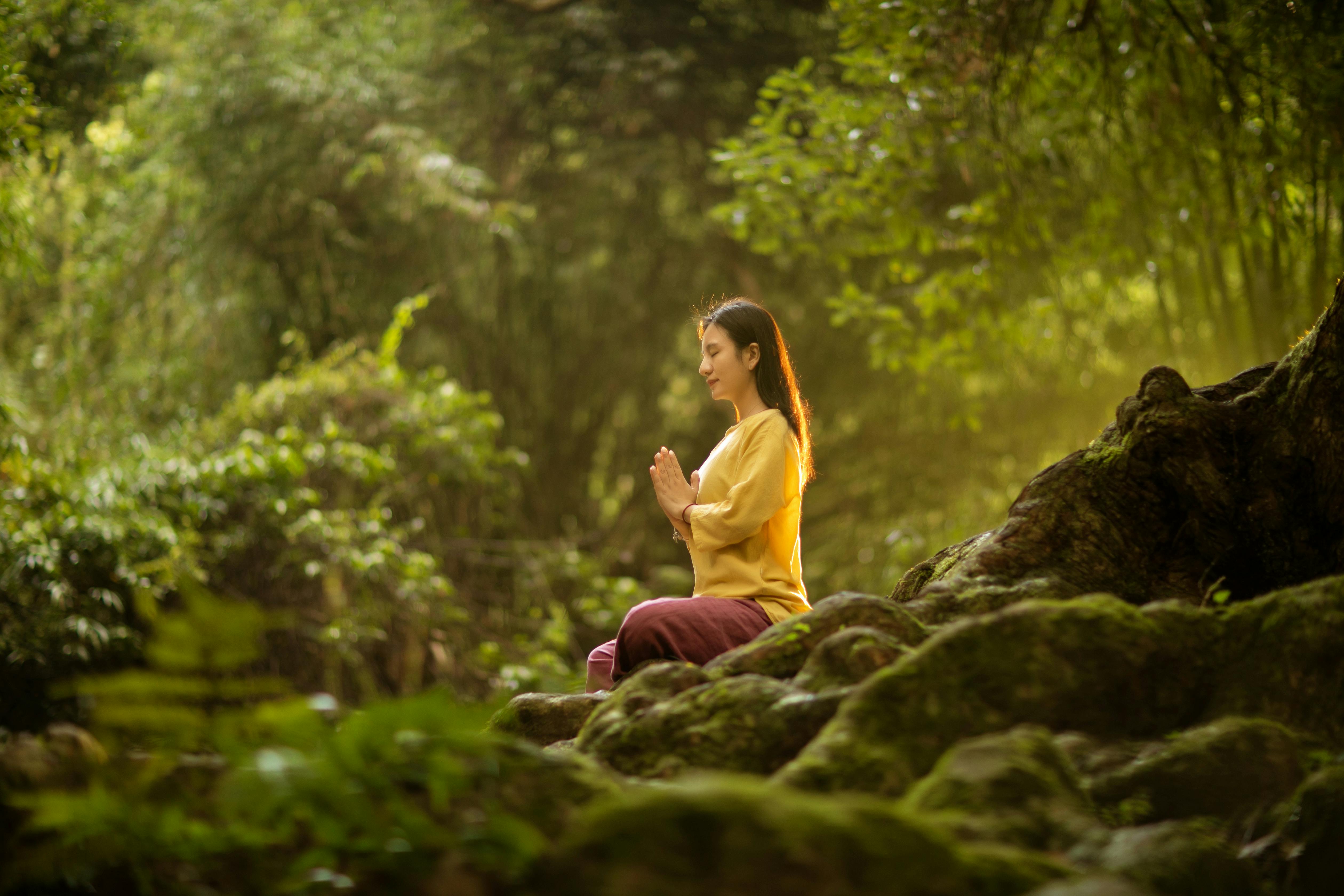
Holistic living is a lifestyle approach that focuses on the over all well-being of a persons mind, body and spirit. It involves understanding how everything that we do is interconnected. It involves maintaining balance through healthy habits like mindful eating, regular exercise, meaningful relationships and stress management practices such as meditation or yoga. It emphasizes inner peace, personal growth and a better more filling way of living.
The Changing Definition of Success
For decades, success in India was closely tied to visible wealth. The ultimate goal of people during that time period involved three things which included property ownership and advanced technology adoption and the demonstration of social status through their lifestyle choices. The current young generation particularly millennials and Gen Z has begun to doubt this established belief. The new generation even though they are working their focus is no longer saving for the next 5 generations infact Gen Z is more into using that for travel, for fun, to explore, to find peace and more.
They are focusing more on doing what they like, what matters to their mental-health and a feeling of satisfaction. Today success is defined how one feels than what one shows. A solo trip to the mountains, learning a new skill, or simply having time for oneself is often valued more than buying the newest smartphone.
The Rise of Experience Economy
One of the most significant drivers of this shift is the rise of the experience economy. Travel, adventure sports, music festivals, wellness retreats, and creative workshops are booming industries. From backpacking across Himachal to attending yoga retreats in Rishikesh, Indians are investing in memories rather than material goods. There are many companies that offer wellness retreats with budget-friendly one day options starting from Rs. 1,500 to Rs. 5000. Whereas, luxury retreat centres can cost somewhere up to Rs. 30,000 to 50,000 per night.
Social media has also played a role here. Platforms like Instagram have turned experiences into shareable moments, subtly encouraging people to seek out unique and enriching activities. However, beyond the aesthetics, there is a deeper realization: experiences tend to bring longer-lasting happiness compared to material possessions, which often lose their appeal over time.
Mental Health and Mindfulness Take Center Stage
According to the Ministry of Tourism, the wellness sector is valued at Rs. 490 billion, with services accounting for 40% of the total market. Another critical factor contributing to this shift is the growing awareness around mental health. The fast-paced, high-pressure lifestyle that often accompanies material success has led many to experience burnout, anxiety, and stress.
As a response, holistic living practices such as yoga, meditation, journaling, and mindful eating have gained popularity. Rooted in India’s own ancient traditions, these practices are being rediscovered and integrated into modern lifestyles. People are no longer just chasing productivity—they are seeking balance.
The COVID-19 pandemic further accelerated this mindset. Lockdowns forced individuals to pause and reassess their priorities. Many realized that despite having access to material comforts, their well-being depended more on emotional resilience, relationships, and inner peace.
Minimalism and Conscious Consumption
Modern India is also witnessing the growing demand for minimalism. While not everyone is adopting an extreme minimalist lifestyle, there is a growing inclination towards owning less but choosing better. People are now environmental conscious and choose to buy products based on their sustainable characteristics and ethical production methods. They are making others aware of how this shift will benefit in the long-term.
Consumers are opting for options like thrift shopping, eco-friendly products and decluttering trends. Rise of minimalism is not just about removing unnecessary items from their homes or lives but it also is about creating a space which lets the live a life that brings them the peace and enables them to create physical and mental space for their essential needs.
The Influence of Global Culture and Digital Exposure
Globalization and digital media have played a significant role in shaping this transformation. Indians today are more connected to global lifestyles and philosophies than ever before. Concepts like “work-life balance,” “slow living,” and “self-care” are no longer foreign—they are actively being practiced.
Podcasts, online communities, and content creators are spreading awareness about alternative ways of living. From financial independence movements to wellness-focused lifestyles, individuals are exploring paths that align with their values rather than societal expectations.
At the same time, there is a conscious effort to blend these global ideas with Indian sensibilities, creating a unique hybrid culture that values both progress and tradition.
The Role of Financial Awareness
Interestingly, this shift is also linked to a more practical understanding of money. Younger Indians are becoming financially literate and are recognizing that endless consumption does not necessarily lead to happiness.
Instead of spending on depreciating assets, many are choosing to invest in experiences, education, or savings. The idea is not to avoid spending, but to spend meaningfully. Experiences are often seen as better investments because they contribute to personal growth and create lasting memories.
Community, Relationships, and Purpose
Another defining aspect of holistic living is the emphasis on relationships and community. In a world dominated by screens and fast-paced routines, people are making conscious efforts to reconnect with family, friends, and even themselves.
There is also a growing desire to find purpose beyond work. Volunteering, pursuing passion projects, or engaging in creative pursuits are becoming more common. This reflects a deeper understanding that fulfillment often comes from contribution and connection rather than consumption.
The Urban-Rural Blend
Interestingly, this shift is not limited to metropolitan cities. Even in smaller towns, there is an increasing awareness of holistic living. The aspiration is no longer just to “move to the city” but to create a balanced life wherever one is.
Some urban dwellers are even moving back to quieter towns or adopting remote work lifestyles to escape the chaos of city life. This reverse migration highlights the desire for a slower, more intentional way of living.
A Balanced Perspective
It is important to note that this shift does not mean that material aspirations have disappeared. Economic growth and rising incomes continue to drive consumption in many sectors. However, what has changed is the mindset.
Material success is no longer the sole indicator of a good life. Instead, it is being complemented—and sometimes replaced—by experiences, well-being, and personal fulfillment.
Modern India is at a fascinating crossroads, where tradition meets transformation. The move towards experiences and holistic living reflects a deeper cultural evolution—one that values balance over excess, meaning over status, and well-being over wealth.
As individuals continue to redefine their priorities, this shift has the potential to reshape not just lifestyles, but also industries, communities, and the broader social fabric. In the end, it signals a powerful realization: that the richest life is not the one filled with things, but the one filled with experiences, purpose, and peace.