


















Christmas is all about spreading joy and laughter and mainly celebrating the birth of Jesus Christ. The festival is celebrated on 25th December, around every corner of the world. It is the most wonderful time of the year with everyone putting up their christmas trees, making traditional christmas sweets and building up an environment filled with love, happiness and joy! Although many assume that Christmas is all about lights, decorating trees and playing secret Santa, there is more to Christmas than these trivial things. Every new place the customs, traditions and ways of celebrating christmas are different.
Christmas, celebrated on December 25, began as a Christian festival marking the birth of Jesus Christ, but over centuries it has grown into a global cultural phenomenon. As Christianity spread through trade, colonization, migration, and globalization, Christmas traditions evolved differently across regions, blending local customs, folklore, climate, and history. Today, Christmas looks strikingly different from one country to another—yet the spirit of togetherness remains universal.
One of the most influential forces behind the spread of Christmas traditions was European expansion. As missionaries and colonizers traveled from Europe to the Americas, Africa, Asia, and Oceania, they introduced Christian festivals along with their own cultural practices. However, instead of replacing local traditions entirely, Christmas adapted to local identities. This fusion gave rise to unique celebrations that reflect both global and regional influences.
In Europe, many Christmas customs have deep pre-Christian roots. For example, Christmas trees originated in Germany, inspired by pagan winter solstice traditions that used evergreen trees as symbols of life during dark winters. Over time, the decorated tree became a central symbol of Christmas and spread across Europe, Britain, and later the world through German immigrants and royal influence, particularly after Queen Victoria popularized it in England. Similarly, Christmas markets—now famous in cities like Vienna and Prague—began as medieval winter fairs and spread across Europe as social hubs during the festive season.
Here are a few different traditions that have been there for a long time and every group, community, religion and place has their own ways. Do not be surprised if you don’t find a santa in the house or traditional goan food. Because that’s not the only way of celebrating Christmas.
Krampus in Austria: Christmas in Austria comes with a different twist of having competitions with Krampus, St. Nicholas’ companion. Krampus comes during the advent season in his devil and horned attire. In a witty yet scary persona he comes as the companion who punishes naughty children while St. Nicholas rewards the good ones. In Austria and its neighbouring regions this normally occurs on 5th December, (Krampusnacht) which dates back to pre-christine alpine folklore. Young men dress in frightening horned masks, fur costumes, carry chains or bells and parade through the streets, creating an environment meant to scare away evil before Christmas.
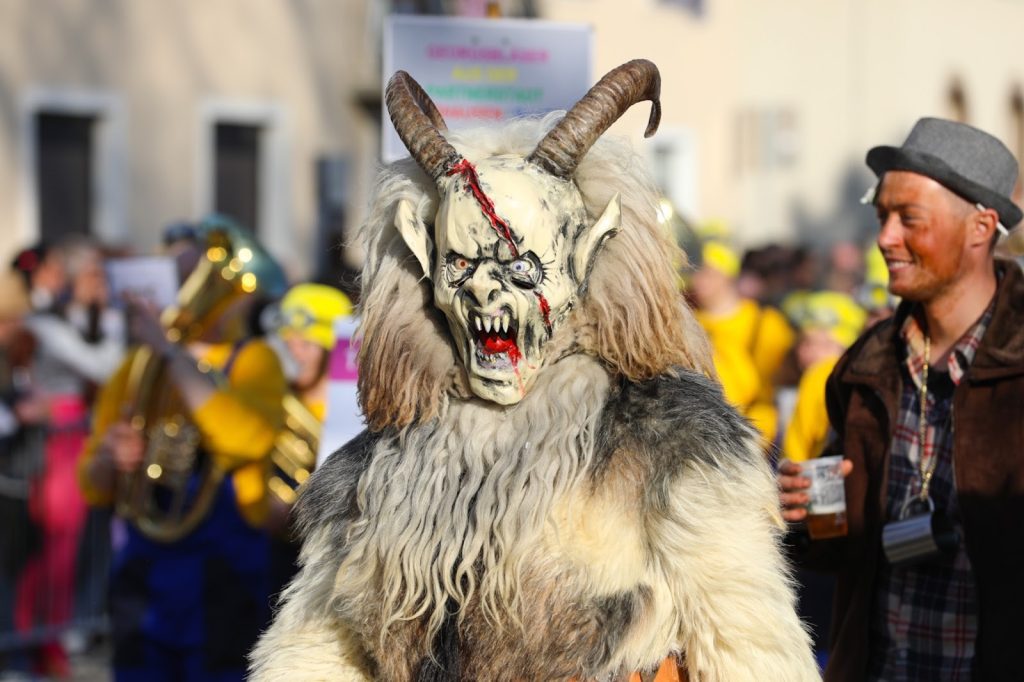
Image Credits: Wikimedia Commons
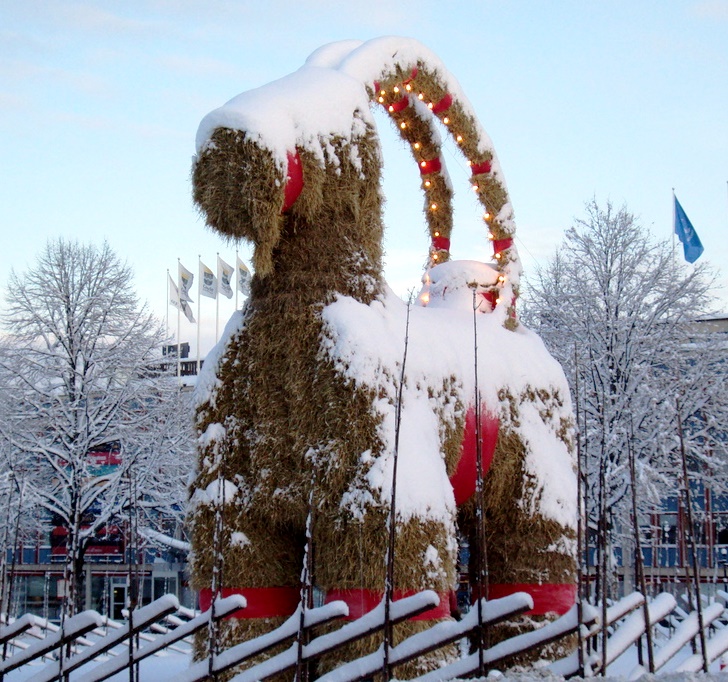
Gavle goat ceremony in Sweden – The Gävle Goat (Gävlebocken) is one of Sweden’s most famous and curious Christmas traditions. Its roots lie in ancient Scandinavian Yule customs, where goats symbolised fertility, harvest, and the god Thor, whose chariot was believed to be pulled by goats. Over time, the goat became a common Christmas decoration across Sweden. The modern Gävle Goat tradition began in 1966 in the town of Gävle, where a massive straw goat was erected in the main square to mark the start of the Christmas season. Standing several metres tall, the goat is built from straw and bound with red ribbons, becoming an instant symbol of festive pride. What makes the tradition notorious is the recurring attempts to destroy the goat, most often by burning it down. Despite guards, cameras, and fireproofing efforts, the goat has been vandalised many times over the years. Each season, Swedes and visitors eagerly follow whether the Gävle Goat will survive until Christmas—turning it into a playful, suspense-filled part of Sweden’s holiday folklore.
Caga Tió (Catalonia, Spain) – Caga Tió, also known as Tió de Nadal, comes from rural Catalan traditions rooted in fertility, nature worship, and survival during harsh winters. Families bring home a smiling wooden log in early December, feeding it daily and keeping it covered with a blanket to keep it “warm.” On Christmas Eve or Christmas Day, children beat the log with sticks while singing traditional songs, prompting it to “poop” gifts. The ritual is humorous but symbolic, representing generosity, abundance, and the rewards of care and patience.
Caganer (Catalonia, Spain)- The Caganer first appeared in Catalan nativity scenes in the 17th century and is believed to symbolise prosperity, good harvests, and equality. Though depicted squatting, the figure is considered lucky, as it “fertilises” the land for the year ahead. Families hide the Caganer among the nativity display, and children search for it as part of festive fun. Modern versions often feature celebrities, athletes, and politicians, blending tradition with contemporary humour.
Yule Cat (Iceland) – The Yule Cat comes from Icelandic folklore tied closely to farming life. Traditionally, those who completed their work before Christmas were rewarded with new clothes, while the lazy were said to be devoured by the Yule Cat. The story encouraged hard work and productivity before winter. Today, the Yule Cat appears in poems, books, decorations, and giant sculptures, serving as a playful reminder of diligence and generosity during the festive season.
Broom Hiding (Norway) – Broom hiding dates back to ancient Norse beliefs that witches and evil spirits roamed freely on Christmas Eve. Brooms were thought to be their preferred mode of transport, so households hid them to prevent supernatural intrusions. Though most Norwegians no longer believe in witches, many still hide brooms as a symbolic gesture—preserving folklore and adding a touch of mystery to Christmas Eve.
Shoe Throwing (Czech Republic) – Shoe throwing is a folk fortune-telling tradition practiced on Christmas Eve. Unmarried women stand with their backs to the door and toss a shoe over their shoulder. If the toe points outward, marriage is believed to be near; if it points inward, another year of singlehood awaits. The custom remains popular at family gatherings and adds playful anticipation to Christmas celebrations.
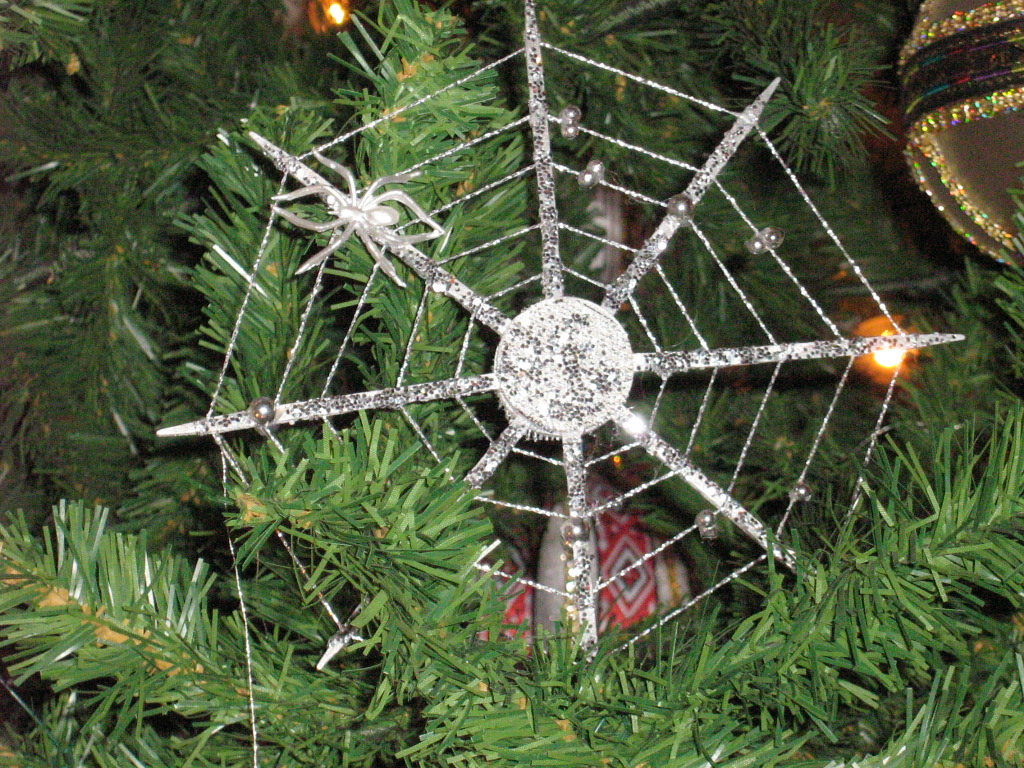
Spider Web Decorations (Ukraine) – This tradition originates from a Ukrainian folk tale about a poor widow whose spider web turned into silver overnight. As a result, spider webs became symbols of hope, hard work, and good fortune. Ukrainians decorate Christmas trees with shimmering spider-web ornaments, blending folklore with Christian symbolism. The custom remains especially meaningful in rural areas and among families preserving cultural heritage.
KFC Christmas Dinner (Japan) – Japan’s KFC Christmas tradition began in the 1970s after a successful advertising campaign promoting fried chicken as a festive meal. Since Christmas is largely secular in Japan, the idea quickly gained popularity. Today, families pre-order meals weeks in advance, and long queues form outside KFC outlets. The tradition has become a uniquely Japanese way to celebrate Christmas with friends and loved ones.
La Befana (Italy) – La Befana is a folkloric figure associated with Epiphany on January 6. According to legend, she refused to join the Three Wise Men on their journey to see baby Jesus and now travels on a broom delivering gifts to children. Italians celebrate with festivals, sweets, and markets, especially in Rome, where La Befana represents kindness, repentance, and generosity.
Mari Lwyd (Wales) – Mari Lwyd dates back to pre-Christian Welsh customs celebrating winter, rebirth, and protection. Participants carry a horse skull mounted on a pole, decorated with ribbons and cloth, and visit homes engaging in singing battles called pwnco. If successful, they are invited inside for food and drink. The tradition survives as a vibrant folk performance during Christmas and New Year.
Giant Lantern Festival (Philippines) – Originating in San Fernando, Pampanga, the Giant Lantern Festival celebrates the Christmas star that guided the Three Wise Men. Communities compete to create massive, intricate lanterns illuminated with rotating lights and patterns. Held in December, the festival reflects the Philippines’ deep Christian faith and love for grand, communal celebrations.
Rolling to Church (Caracas, Venezuela) – This tradition is linked to early-morning Christmas Mass known as Misa de Aguinaldo. Traditionally, families tied strings to children’s toes and attached the other end to door handles to ensure they woke up in time for church. Though largely symbolic today, the story remains a beloved part of Venezuelan Christmas folklore.
Tió de Nadal (Catalonia): The Beating Log – Closely linked to Caga Tió, this tradition highlights Catalonia’s playful approach to Christmas. The log represents warmth, nourishment, and generosity during winter. Children beating the log while singing reflects ancient rituals of coaxing abundance from nature, turning survival symbolism into joyful celebration.
Christmas Breakfast Tradition (Finland)- In Finland, Christmas Day begins with a quiet, comforting breakfast. The centrepiece is rice porridge (riisipuuro), often served with cinnamon and sugar. One bowl contains a hidden almond, believed to bring good luck. The peaceful breakfast, often enjoyed by candlelight, reflects Finland’s love for simplicity, warmth, and family togetherness.
Ultimately, the global spread of Christmas traditions shows how culture travels and transforms. What began as a religious observance became a shared global celebration through migration, storytelling, media, and human connection. Each country reshaped Christmas to reflect its own history and values, proving that traditions are not static—they grow, evolve, and unite people across borders. Despite its many forms, Christmas continues to symbolize hope, generosity, and togetherness worldwide.