Working While Fasting: How India’s Labour Laws Ignore Religious Practice

0
11
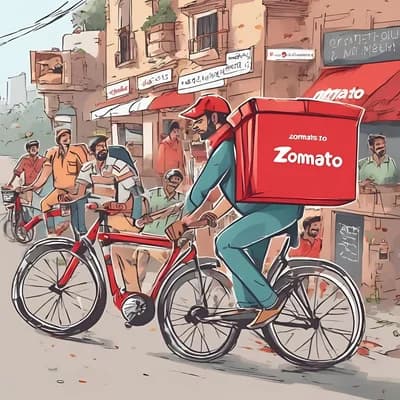
Image Credit: AI

During Ramadan, millions of Indian workers report to factories, construction sites, warehouses, and shop floors after sunrise, knowing they will not eat or drink until evening. Most employers have no idea this is happening. When they do, nothing really changes. There is no formal policy, no adjustment in hours, no conversation. The worker simply pushes through the day.

This isn’t a rare or exceptional situation. It is routine for a huge section of India’s workforce, whether during Ramadan, Navratri, or other periods of religious fasting. Yet scan India’s labour laws, employment codes, or standard HR manuals, and you’ll barely find a mention that such practices exist. The reality of fasting workers is effectively invisible on paper, even though it plays out every year across the country.

The Gap Between Practice and Policy

India’s labour laws are weirdly comprehensive in some ways. They spell out overtime, safety rules, maternity benefits, and minimum wages in careful detail. But when it comes to religious practice at work, the silence is striking. There is barely a nod to the fact that workers bring faith with them onto the job.

This sits oddly with the Constitution, which clearly protects the right to practice religion. On paper, that right exists. On the factory floor or the construction site, it mostly disappears. Articles 25-28 are pretty clear about that. But constitutional protections and actual workplace reality are two different things.

What actually happens is this: workers fast because their religion requires it. Employers don’t have clear policies because nobody wrote any. So people just… push through. They don’t mention it. They don’t ask for flexibility. They work the same shift at the same pace, just without fuel.

Some companies do a bit better than this. A few have started offering flexible break times or slightly reduced shifts during Ramadan. But these are exceptions, not rules. And they’re usually small gestures that happen because an HR person thought it was decent, not because any regulation made them do it.

Why Physical Jobs Make This Harder

This matters most in the jobs we don’t always think about. A software developer working from home can usually bend their day around a fast. They can rest, pace themselves, or step away when needed. That option does not exist for someone on a factory floor, a construction site, or riding a delivery route. Physical work demands water, especially in India’s heat. Going without it is not just uncomfortable. It can be dangerous.

The risks are obvious and well known. Heat exhaustion. Dizziness. Loss of balance. Falls from height. Mistakes around heavy machinery. These are not abstract concerns. They are the kinds of accidents that happen when people are asked to do hard physical labour after hours without food or water, in peak summer conditions. But most workplace risk assessments don’t factor in religious fasting. Most safety protocols assume everyone’s eating and drinking normally.

Then there’s the rigidity problem. Some jobs don’t allow breaks. Some have zero flexibility about when you start or stop. You show up at 8 AM, you work until 5 PM, no exceptions. That’s the deal. Add fasting to that scenario, and you’re not having a good time.

The Silence Around the Issue

Here’s what’s strange: India has a huge percentage of Muslim workers. It has Hindu employees who fast for various reasons. Christian workers. Sikhs. Jains. Yet hardly any major Indian employer has a coherent policy on religious fasting. No guidelines. No training for managers on how to handle it. Nothing.

Part of this is probably discomfort. Religion at work makes people uneasy. Managers worry about favouritism, about whether making space for one belief means they have to make space for all of them. It does, by the way. There’s also plain lack of knowledge. Many don’t know when Ramadan falls, why someone would fast for weeks, or whether it really matters.

But more than anything, it’s indifference. It’s easier not to ask, not to learn, and not to care. Worker wellness matters when it affects productivity. And the assumption is that fasting workers will just handle it quietly. They usually do.

What Actually Needs to Happen

You’d think this would be simple to fix. Companies could offer flexible start times during Ramadan. Employers could allow longer or more frequent breaks. Organisations could reduce workload during fasting periods, at least for physically demanding roles. Some could offer slightly modified shifts that account for the fact that someone might not have the same energy as usual.

None of this is complicated or expensive. It’s mostly about not treating everyone like they’re identical machines.

On a policy level, India’s labour codes could actually address this. A simple amendment making religious observance a valid reason for requesting workplace flexibility would change things. Not mandatory unpaid leave necessarily, but recognition that this is a real thing that happens and that it deserves thought.

Companies could start with something basic: train their managers. Explain what fasting looks like, why people do it, and what a reasonable response actually is. This is not complicated, and it does not require a new department or a thick policy manual.

It just means giving managers enough context to act like adults when a worker says, “I’m fasting today.”

The Bigger Picture

What’s happening with fasting is really a symptom of something wider: Indian labour law doesn’t see workers as whole people with lives outside the productivity equation. The system is built around a very specific idea of a worker. Someone without children to care for. Someone whose faith never clashes with a work schedule. Someone without disabilities. Someone whose main qualification is being available, at all times, on the employer’s terms.

That person doesn’t actually exist. Everyone has something. Religious practice is just one of those things.

The fact that it’s barely mentioned in labour codes and corporate policies suggests that we’re not actually thinking about worker welfare in any serious way. We’re thinking about extraction. How much can you get out of someone? How long can they keep going? What’s the minimum we have to offer them legally?

Fasting workers aren’t asking for much. They’re not asking for paid leave or special treatment. A lot of them just want their employer to acknowledge what’s happening and maybe not make it actively harder.

Until Indian companies and lawmakers decide that religious practice is worth a sentence in a policy document, nothing will change. The workers will keep their heads down, keep fasting, keep working, and keep dealing with it alone.