
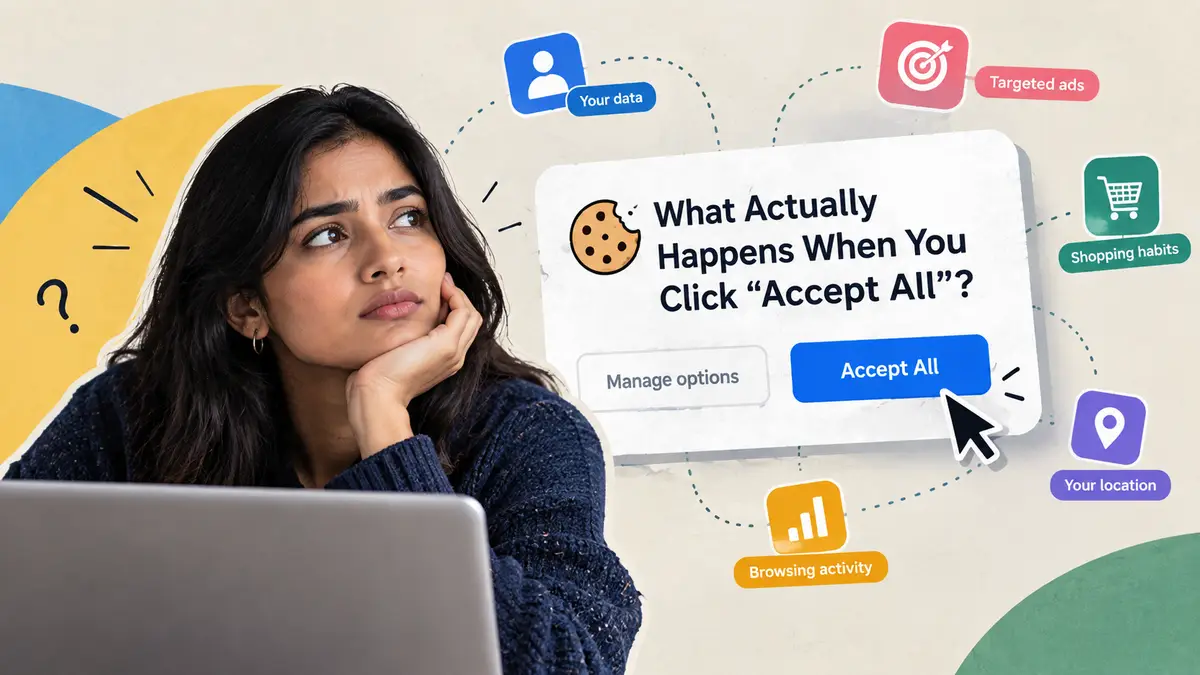
You are trying to read an article. You have been waiting for the page to load. Then, before you can see a single paragraph, a box appears at the bottom of the screen: “We use cookies to improve your experience.” There are buttons for “Accept All”, “Manage Preferences” and sometimes a much smaller “Reject” option. You have somewhere to be. You click Accept All, Done. The box disappears. But what exactly did you just agree to? Probably more than you think.
Cookies and online tracking can sound like boring internet housekeeping, but they are closely connected to how websites remember you, measure what you do, and, in some cases, help advertisers build a picture of your interests. And because most people click through these notices without reading them, that tiny button has become one of the most casually accepted agreements on the internet.
First, What Are You Actually Accepting?
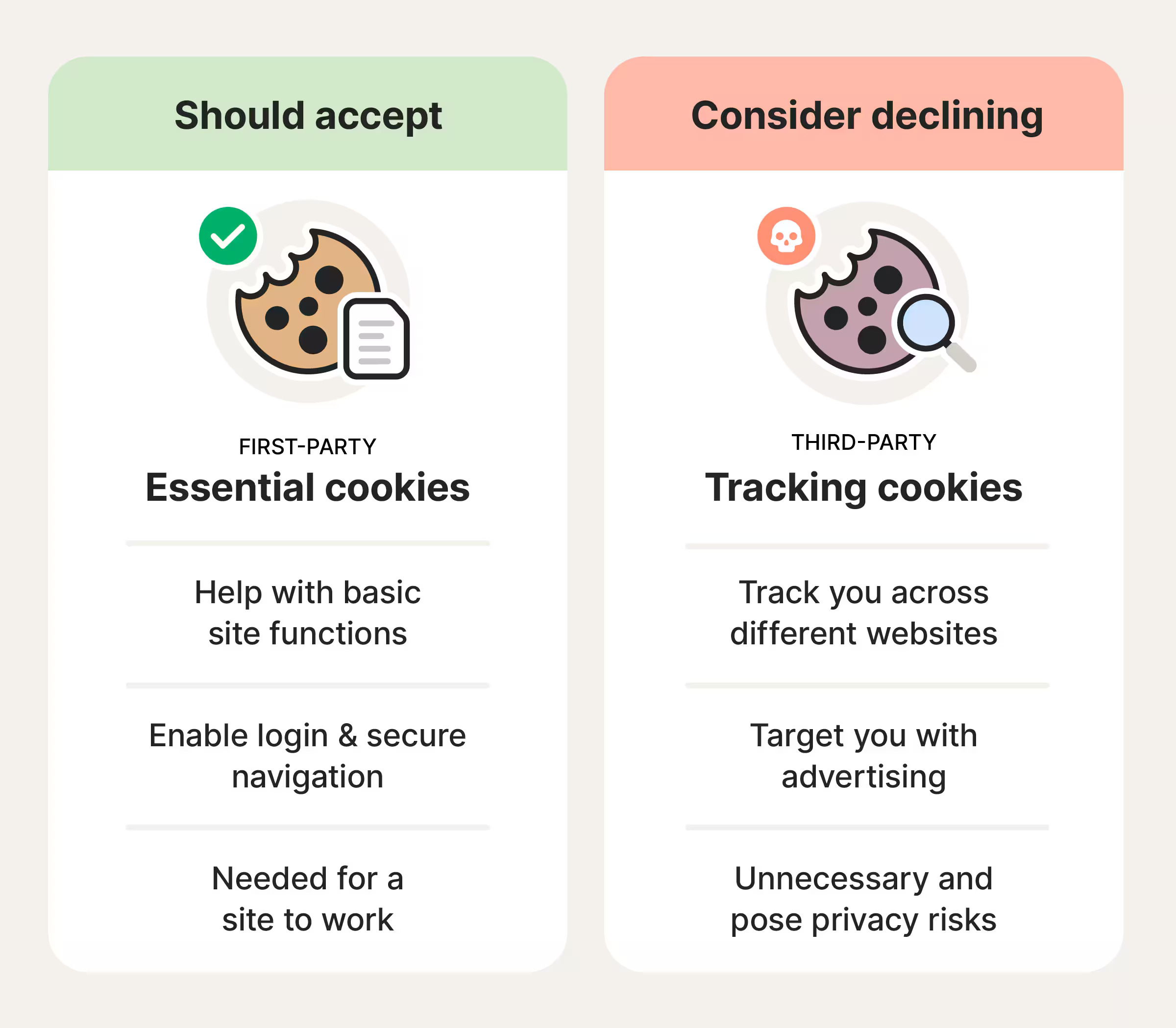
A cookie is a small piece of data that a website stores in your browser. Not all cookies are sinister, and not all are used for advertising. Some are genuinely useful. A shopping website might use a cookie to remember what you put in your cart. A website may remember that you are logged in. Another might remember your language or other basic preferences. These are often called necessary or essential cookies, because certain parts of a website may not work properly without them.
The situation changes when you accept optional cookies. These can include cookies or tracking technologies used for analytics, advertising and personalisation. They may help a website understand which pages people visit, how long they stay and where they came from. Advertising technologies can also use information about your browsing activity to make ads more relevant or measure whether an advertisement led to a visit or purchase.
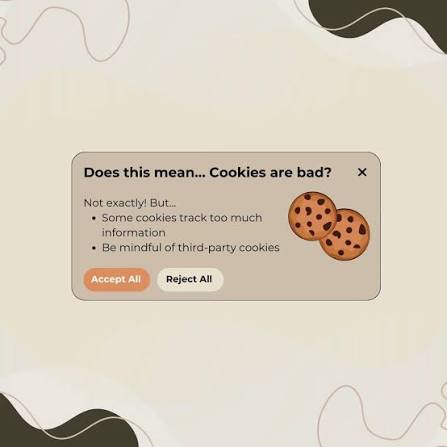
So when you click “Accept All”, you may not simply be agreeing to a website remembering your preferences. You could also be giving permission for several types of tracking to take place, depending on the website and the choices presented in its consent notice.
Why Do Websites Want All This Information?
Information about how people use the internet has value. Imagine you visit a website selling running shoes. You look at several pairs, compare prices and leave without buying anything. Later, you notice advertisements for running shoes on another website. That experience may feel like the internet is reading your mi
nd. Usually, it is less mysterious than that. Tracking and advertising systems can use information collected from your online activity to understand interests, measure campaigns or personalise advertising, depending on the technologies and permissions involved.
There is also a less obvious reason websites collect data: understanding their audience. A news website, for example, may want to know which stories readers open most often. An online store may want to know where customers abandon a purchase. A streaming platform may analyse how people interact with its interface.
Used responsibly, this information can help businesses improve their services. The problem is that most people don't have the time or patience to understand exactly what is being collected, why it is being collected and who might receive it.
The “Accept All” Button Is Doing a Lot of Work
A message saying “We use cookies to improve your experience” sounds harmless. But the full consent system may contain several categories of cookies, third-party services and purposes hidden behind a preferences menu. That is why two websites can show almost identical-looking cookie banners while collecting very different kinds of information. The only way to know exactly what you are agreeing to is to read the site's privacy and cookie information and check the available settings. And yes, very few of us do that. The wording can make a difference.
Does Clicking “Accept All” Mean Websites Know Everything About You?
This is where internet privacy myths can get carried away. Accepting cookies does not automatically give a website access to everything on your phone or computer. A website generally cannot simply open your private photos, read your messages or see everything you do offline because you clicked a cookie button. What it can collect depends on the website, the technology being used, the permissions you grant and the applicable privacy rules. There is also a difference between information a website collects directly and information that may be shared with third-party services.
For example, a website might use an analytics service to understand traffic or advertising technology to measure campaigns. Those third parties may receive certain information depending on how the system is configured. This is why privacy policies can be frustratingly long. The simple-looking button sits on top of a much larger ecosystem of companies, technologies and data flows.
So, Should You Stop Clicking “Accept All”?
You don't have to treat every cookie as a threat. Cookies are part of how much of the modern web functions, and some are genuinely useful. The more important habit is understanding that “Accept All” is not always the same as “continue browsing.” If you have a choice, take a second to look at the settings. You may be able to allow necessary cookies while switching off optional analytics or advertising cookies. Some browsers also provide their own privacy controls that limit certain forms of tracking.
And if a website asks for information that seems unnecessary for what you are trying to do, it is reasonable to pause and ask why. The bigger issue is not whether you have ever clicked “Accept All”. Almost everyone has. It is that we have become so accustomed to clicking it that we rarely stop to think about what the button represents. That tiny pop-up is essentially a negotiation between you and the website. The problem is that the website knows the terms far better than you do. So the next time that familiar banner appears, you don't necessarily need to read a 40-page privacy policy. But maybe, just once, click “Manage Preferences” before “Accept All.” You might be surprised by how much was sitting behind that one button.