
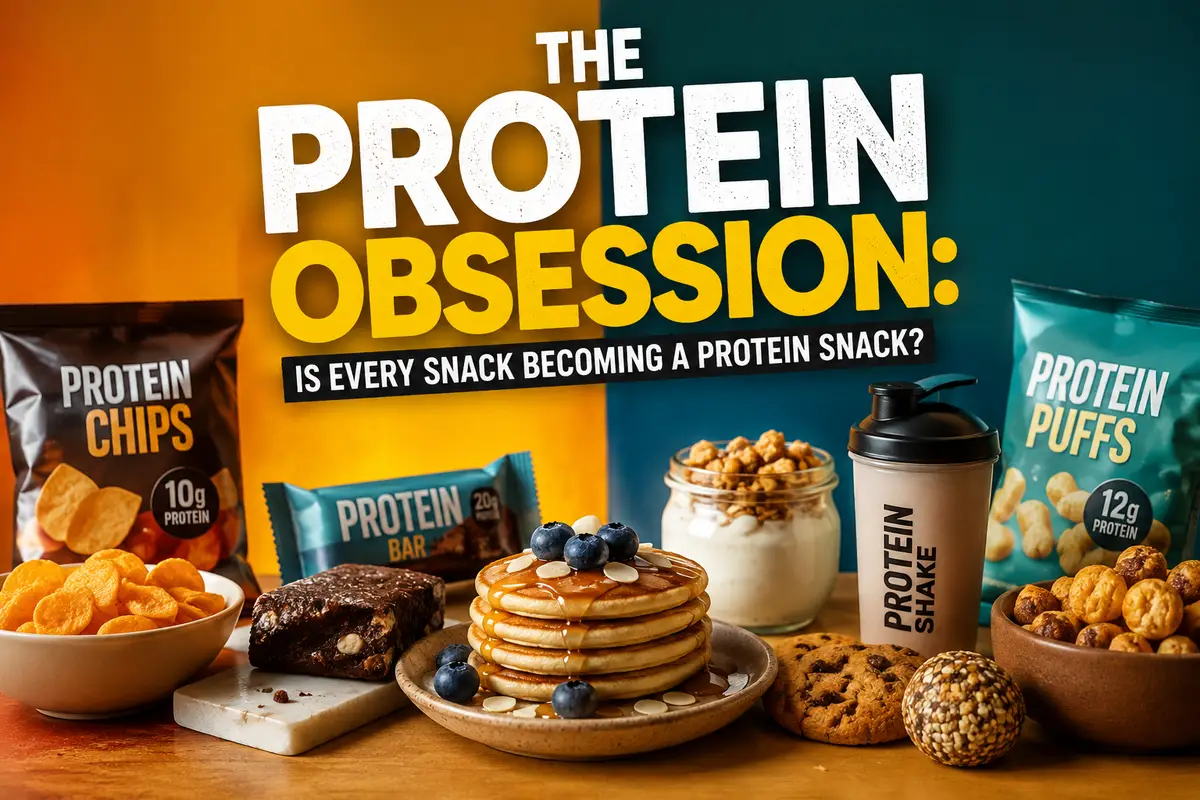
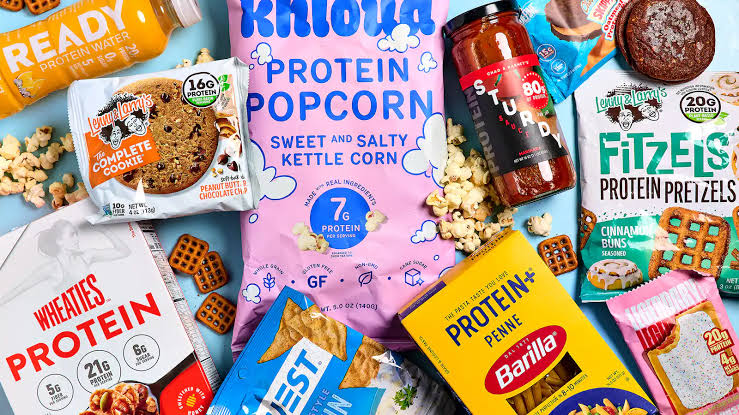
Walking into a supermarket these days feels like you've entered a fitness enthusiast’s pantry; every nook and cranny seems lined with products pushing one common selling point: Protein. What was once largely confined to shakes or bars has now made its way into every other snack product. Protein chips, protein popcorn, protein ice cream, protein coffee, protein cookies, and even protein chocolates – you name it, they have it.
But how did protein become the star ingredient of the modern grocery aisle? Is this wave created genuinely for nutritional needs, or has protein simply become the latest marketing buzzword? As brands today are capitalising on every area of our lives, they have already begun entering the health and wellness field as well. Through this, one question often remains: are we eating smarter or giving in to the protein obsession?
The Protein Boom: How Did We Get Here?
A decade ago, protein-labelled products occupied a small corner of supermarket shelves, usually found in the sports nutrition aisle. But today, protein has moved far beyond supplements into biscuits, snacks, dairy products, and beverages. Things once sold as treats are now being reintroduced as ‘high-protein’ alternatives. Industry data reflects that between 2016 and 2018, only 5% of new food and beverage launches in India carried high-protein or added-protein claims; however, since then, protein has become a leading driver of new healthy snack launches.
A question that most of them never asked post the protein surge is: how did Protein become the ‘hero nutrient’? The answer lies in a mix of changing lifestyles, social media influence, and smart marketing. Over the past decade, Millennials and Gen Z have become more conscious of their health, adapting to healthy lifestyle practices with regular exercise, proper diet, and overall wellness. This also led to the gym culture becoming more mainstream. What was once seen as a space primarily for athletes, bodybuilders, or fitness enthusiasts is now viewed as a place where people of all ages work towards better health, improved strength, and long-term well-being.
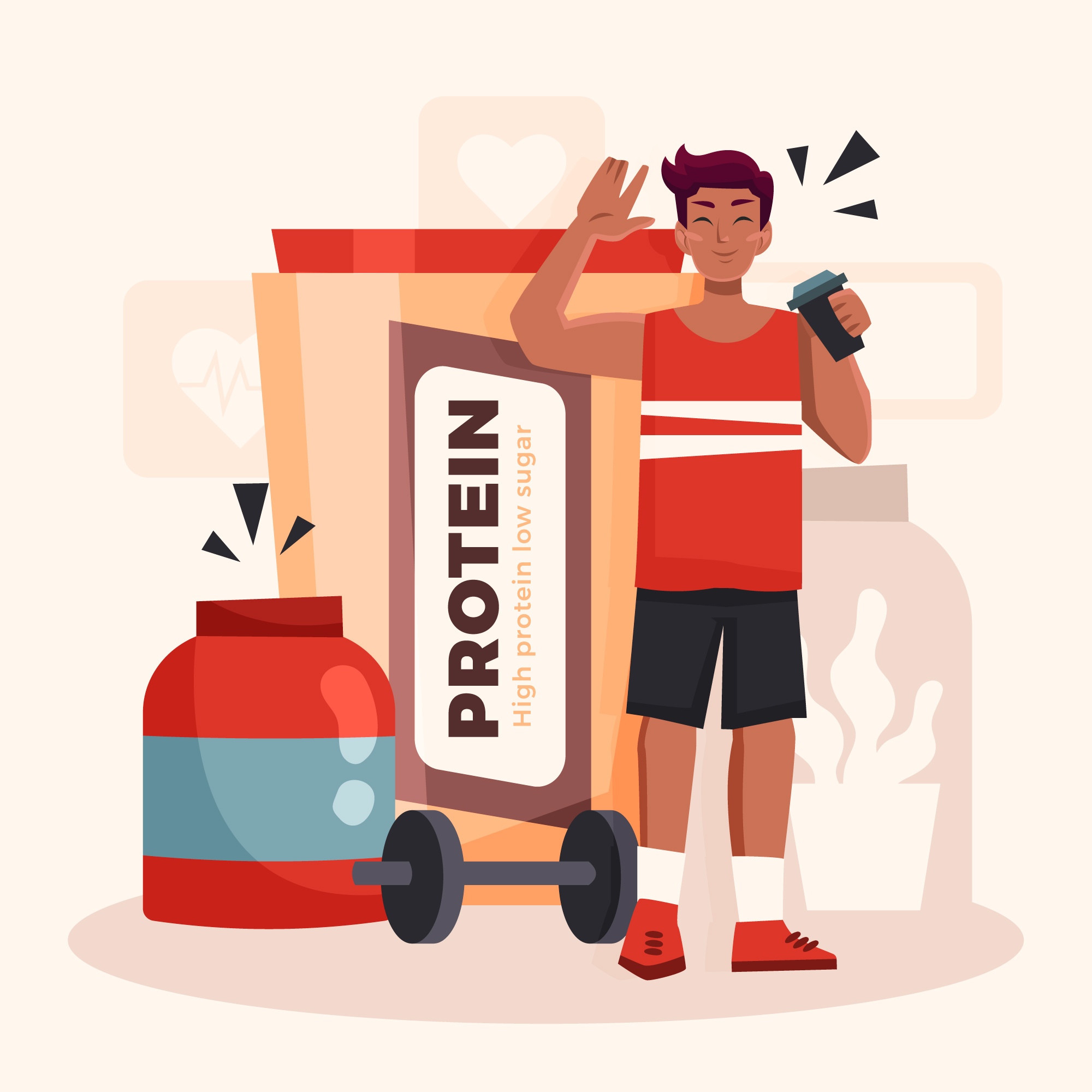
Social media has also influenced the protein obsession. With fitness influencers and dietitians having access to the mass population, they share workout routines, meal plans, and nutrition advice with millions of followers, often placing protein at the centre of a healthy diet. While much of this information is useful, it has also fuelled the perception that consuming more protein is always better.
The Marketing Trick
Marketing has played a huge role in making this protein obsession a trend. Many consumers assume that a product containing protein is healthy by default; however, does adding protein automatically make junk food healthy? Products with high protein may also contain artificial sweeteners, refined flour, saturated fat, or high sodium, which completely disregards the healthy lifestyle people are trying to build. For example, a protein cookie might contain some protein elements; however, it is still a normal cookie considering the fact that the other ingredients remain the same.
Food brands were quick to spot this trend. As protein became synonymous with health and fitness, companies realised that protein sells and thus have made use of this opportunity to gain profit by turning people’s demands into an easy supply chain. What started as a nutrient associated with sports nutrition has now become one of the food industry's most powerful marketing tools, turning protein into a premium selling point across supermarket shelves.
Do Most People Actually Need More Protein?
Our body requires a certain amount of protein in our daily diet, but not many are aware of this quantity. The basic daily protein requirement for a healthy adult is 0.8 grams per kilogram of body weight (body weight x 0.8). This baseline amount prevents deficiency, but your actual needs change depending on your activity level, age, and health goals.
An athlete or someone recovering from illness might need more protein, but even this depends on their body and the amount of physical activity they do. However, a person working a 9-5 job might not need a huge amount of protein, as the physical activity might not be much.
Another thing that most of us ignore is that our daily traditional Indian foods are already protein-rich. Foods like dal, Chana, Rajma, Moong, Sprouts, Sattu, Paneer, Curd, Soy chunks, peanuts, etc have protein in them. A mix of these ingredients with our daily food can allow us to hit the daily protein goal and avoid the overly refined market snacks that are being pushed as a protein alternative.
When More Protein Is Not Better
Protein is essential; however, it is not the only nutrient that our body needs. Many studies have raised questions about the effect of consistent protein intake on our kidneys. The kidneys’ filtration rate, known as glomerular hyperfiltration, is increased by a high-protein diet. This has raised concerns about the effects of a high-protein diet. However, a lot of current scientific research has busted the myth that high protein intake causes kidney damage in otherwise healthy people, and none of the research establishes this fact.
Scientific studies have raised questions about the effect of consistently high protein intake on kidney function. A high-protein diet can increase the kidneys' filtration rate, known as glomerular hyperfiltration, which has raised concerns about the effects of prolonged intake. However, current research does not establish that high protein intake causes kidney damage in otherwise healthy people. A 2026 systematic analysis of 22 randomised studies indicated that high-protein diets enhanced renal filtration but did not consistently show kidney damage. The worry, therefore, is not protein itself but the rising idea that everyone needs an excessive dose of it.
Are We Ignoring Other Nutrients?
The protein obsession has diverted us from the other major needs of our body. We have been so busy chasing protein that people usually overlook nutrients like fibre, vitamins, calcium, and other major needs. Protein deserves its place in a healthy diet, but it shouldn't come at the expense of other nutrients. A packet that proudly displays "20g protein" can still be low in fibre, vitamins, or healthy fats. The healthiest diets are built on balance, where protein works alongside fruits, vegetables, whole grains, legumes, and healthy fats, rather than replacing them.
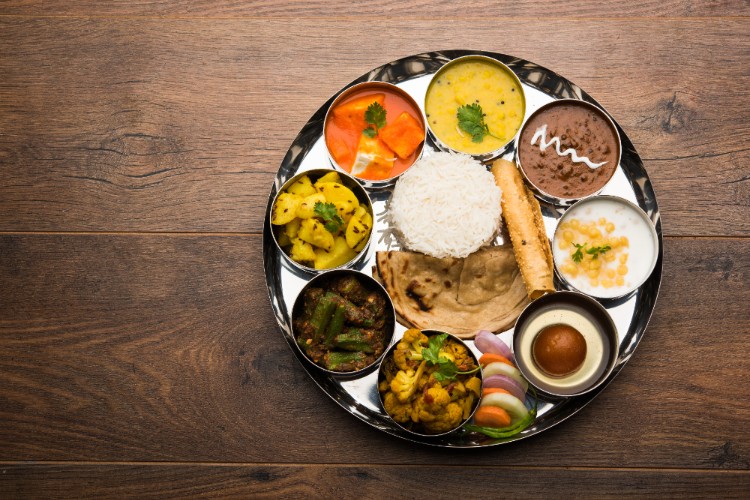
Having a balanced diet that prioritises all the nutrients is something that is getting attention today, but this has been established by our ancestors long before. The idea of balanced eating is not a new concept for Indians. Even the Charaka Samhita, one of the foundational ancient Sanskrit texts on Ayurveda, has preached the knowledge of balanced eating. It not only describes the six different tastes of sweet, sour, salty, pungent, bitter, and astringent in our thalis but also talks about the various nutrients present in our staple diet that can be balanced for a healthy way of living.
The traditional Indian thali follows a similar principle, bringing together carbohydrates, proteins, fats, fibre, vitamins, and minerals through foods such as rice or roti, dal, vegetables, curd, and other accompaniments. While the modern nutrition science behind these foods is different from Ayurvedic theory, the larger lesson remains relevant: a healthy meal is about variety and balance, not making one nutrient the centre of everything.
Looking Beyond the Protein Label
Perhaps the real question isn't whether every snack should contain more protein, but whether every product needs to be marketed as a health food. Protein has become the food industry's latest badge of wellness, transforming everything from cookies to ice cream into "better-for-you" choices. Yet a protein cookie is still a cookie, and a protein chip is still a chip.
The next time you pick up a product because it promises extra protein, pause for a moment and ask a different question: Is this nourishing my body, or is it simply clever marketing? Sometimes, the healthiest choice isn't the one with the biggest protein claim but the one with the shortest ingredient list.