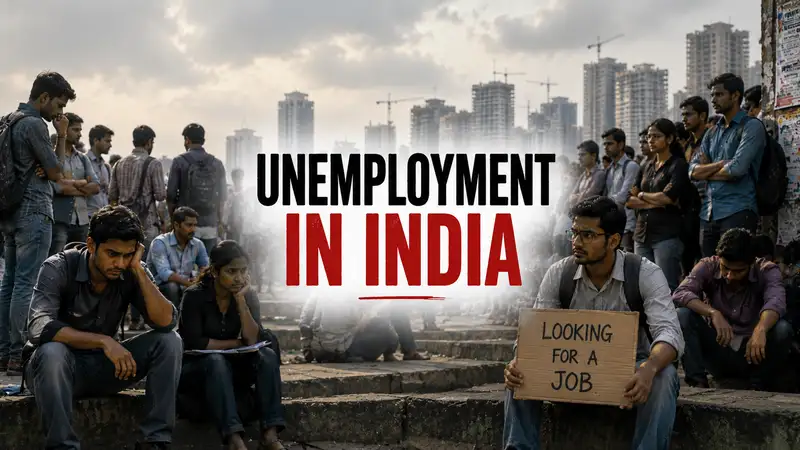

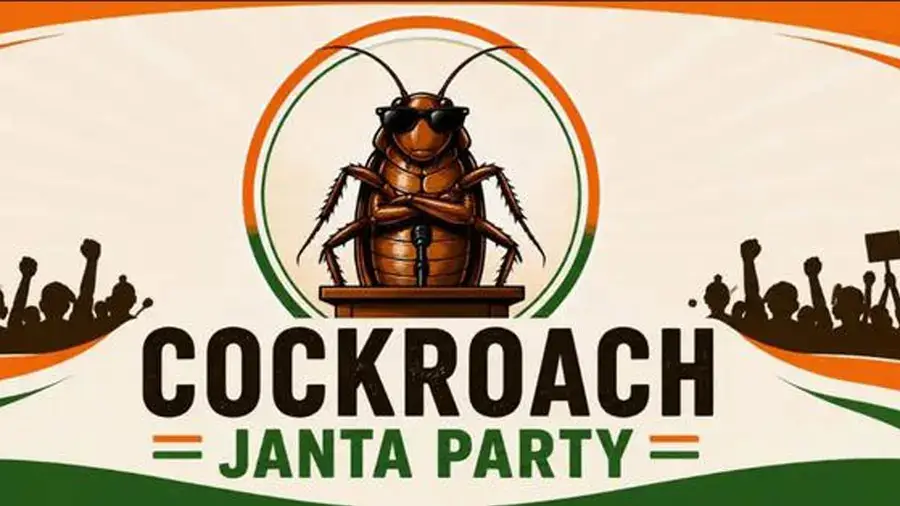
The resignation of the Education Minister, Mr Dharmendra Pradhan, can be considered to be more than just a political development. For lakhs of students who fought for justice, it was a rare moment of collective achievement. This moment showed India that the public, if united, can question the government by holding those in power accountable and bring the whole nation's attention to an issue. The Cockroach Janta Party served as the voice of the youth, specifically Gen Z in India. It all began as a satirical Instagram page that slowly turned into an on-the-ground protest against a real issue. Their main motive was administering justice to the students who have been affected by the discrepancies in the NEET examinations
THE ISSUE:
The recent NEET paper leak deeply affected lakhs of young students who appeared for the exam in May 2026. Shortly after the exams, allegations of the question paper leak spread rapidly across social media, which enraged the students who had been preparing for the exam day and night. For many, this exam was years of disciplined preparation, long study hours, and many personal sacrifices, and for some, this was the only shot at success. The immense stress caused by the leak has resulted in the loss of 22 students' lives. The fellow students and parents of the victims, as a result, questioned the people in authority and asked for accountability.
WHEN SATIRE MET REALITY
The CJI's alleged comment towards the youth of India, referring to them as “cockroaches”, sparked debate and led to the creation of the Cockroach Janta Party. The platform created mandates and campaign agendas that the nation required in today’s age. Many influencers posted reels and memes, extending their support to the party, and this resulted in massive reach for the page. After the paper leak, the CJP raised their support to students, helping them raise their voice demanding accountability from the minister in charge. Their support was not only confined to social media reels or posts but also broke boundaries and made an on-ground fight for justice.
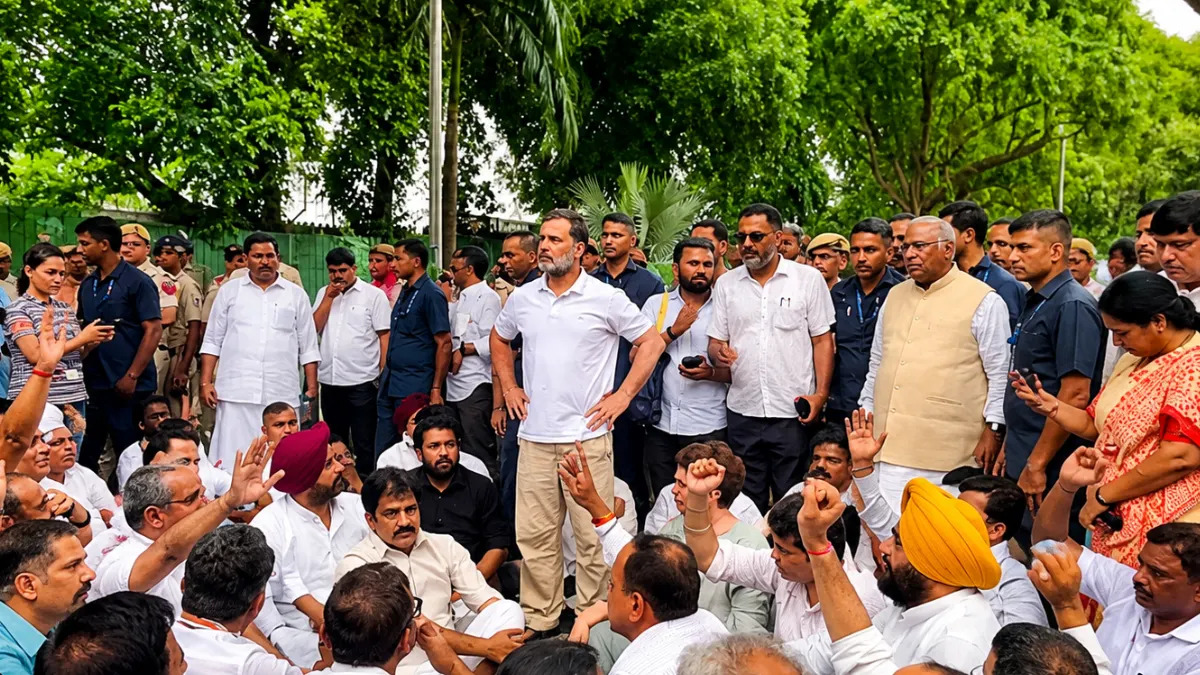
Image credit: Bumppy news
A MOVEMENT THAT UNITED THE NATION
What started as a student-led campaign soon grew into a nationwide movement. Not only NEET aspirants but also the parents of students, educators, civil society groups, and prominent public figures joined the protest. Opposition leaders as well as leaders from other parties and CMs of other states extended their support by joining the protest not only by their messages and tweets but also by being physically present.
They raised the issue in Parliament and backed the protesters' demands. The broad support transformed the movement from an exam-related grievance into a larger call for accountability, transparency, and fairness in India's education system. From a single protest site in Delhi to support from across different states in India, the CJP-led students' protest against the NEET issue drew support from people of various states in India, like Tamil Nadu, Maharashtra, Bihar, Kerala, etc.
FIXING THE CRACK
This year, almost 22 lakh students appeared for the NEET examination, which is currently conducted in a traditional pen-and-paper format. However, with advancements in technology, many exams have been changed to Computer-Based Tests (CBT), making both the examination process and post-exam evaluation more secure, efficient, and transparent.
Most of the exams today in India are CBT, including major national tests like the Joint Entrance Examination (JEE) Main for Engineering admission, taken by 13 lakh students; the Common University Entrance Test (CUET) of Delhi University, taken by 11.6 lakh students; and the Common Law Admission Test (CLAT), taken by 1 lakh students, as of 2026, with IELTS shifting fully online by September 2026
The shift to CBT had long been considered necessary for the NEET exams; however, after years of concern over exam security, the NEET UG will be changed to CBT mode starting in 2027. The move is widely seen as one of the key outcomes of the sustained student protests demanding a fairer and more secure examination system.
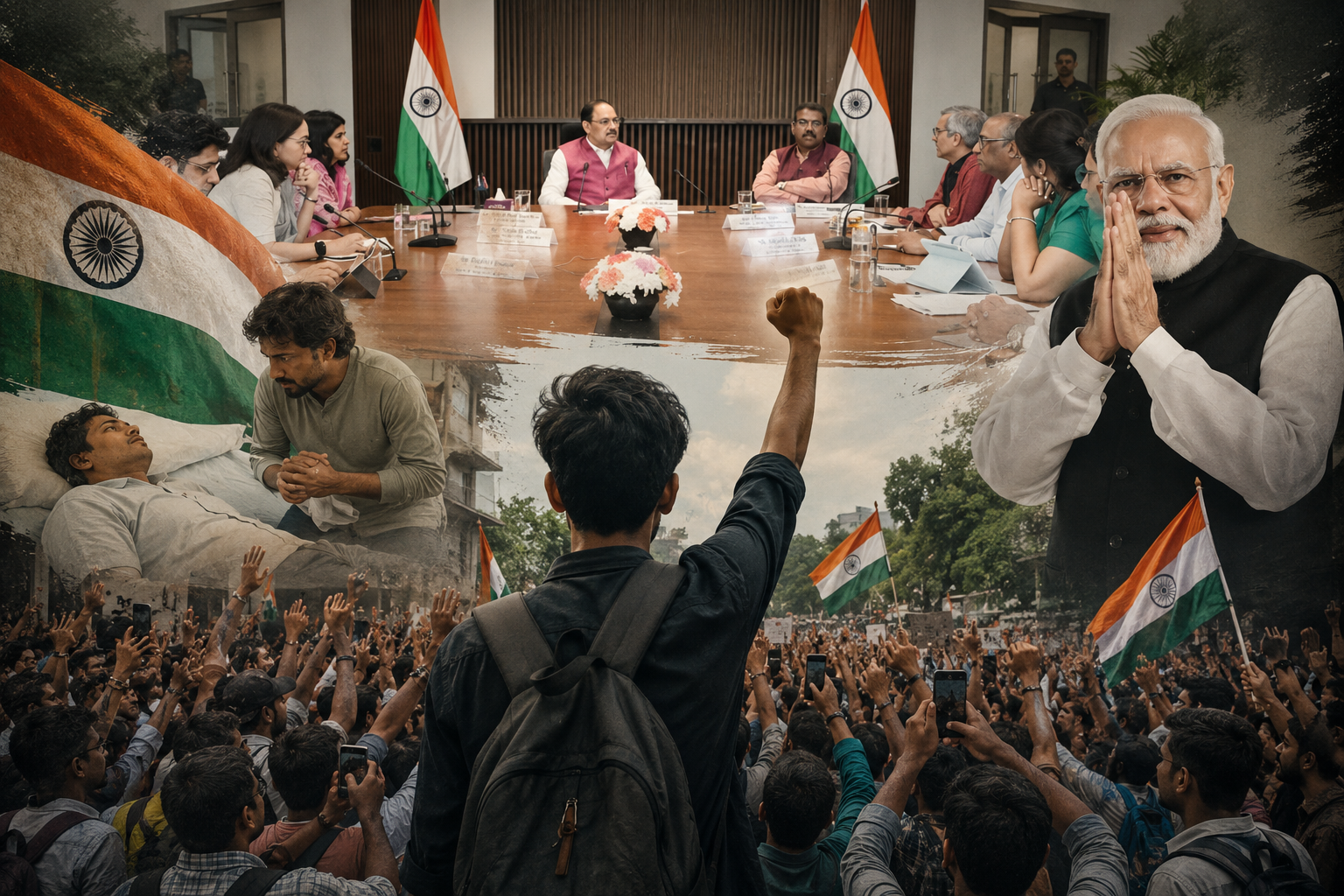
disclaimer: image generated by AI
FROM PROTEST TO POLICY
The protests resulted in a series of major policy decisions. The major outcome was the resignation of the Education Minister, Dharmendra Pradhan. Secondly, the government constituted a task force led by Nandan Nilekani to overhaul the examination system, and legislation proposing stricter penalties for paper leaks and exam fraud was introduced too. The government has also appointed Pralhad Joshi as the new Education Minister of India following the resignation of Mr Dharmendra Pradhan.
The government plans to amend the Public Examinations (Prevention of Unfair Means) Act, 2024, to introduce fast-track courts for paper-leak cases and increase the maximum jail term beyond the current 10 years. Existing provisions include up to 10 years' imprisonment and a ₹1 crore (US$100,000) fine for offenders. The movement also accelerated reforms such as NEET UG's planned transition to a computer-based test from 2027, making it one of the most consequential student-led campaigns in recent years.
THE ROAD AHEAD
The students’ determination and the refusal to back down were the driving force behind this protest. The resignation of the Education Minister and the reforms promised by the government mark the victory of the students' stand against the issue. Yet the result would depend on how effectively these measures are implemented and how they restore public trust in the education system. The CJP’s journey from a mere Instagram page to a national movement displays that when people unite towards a common goal, it is hard to ignore their voices. More than a movement against the paper leak, this was a reminder that accountability can be achieved when the common people refuse to stay silent.