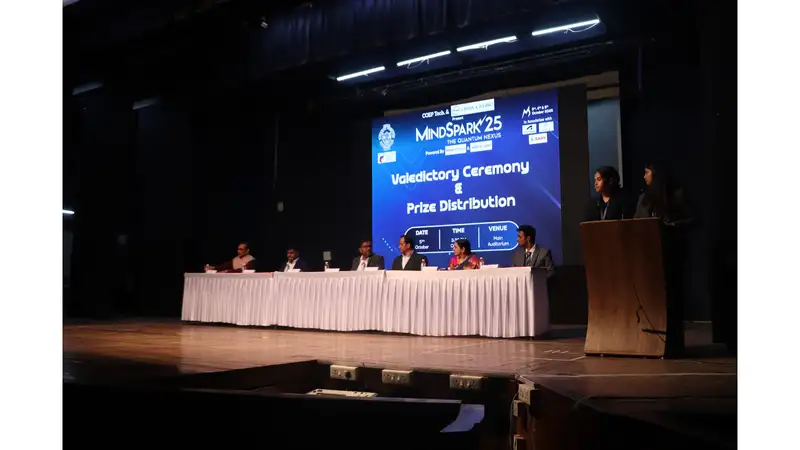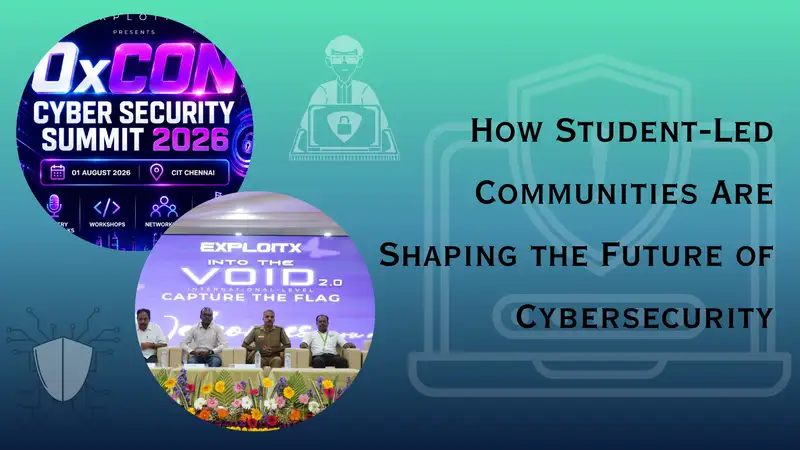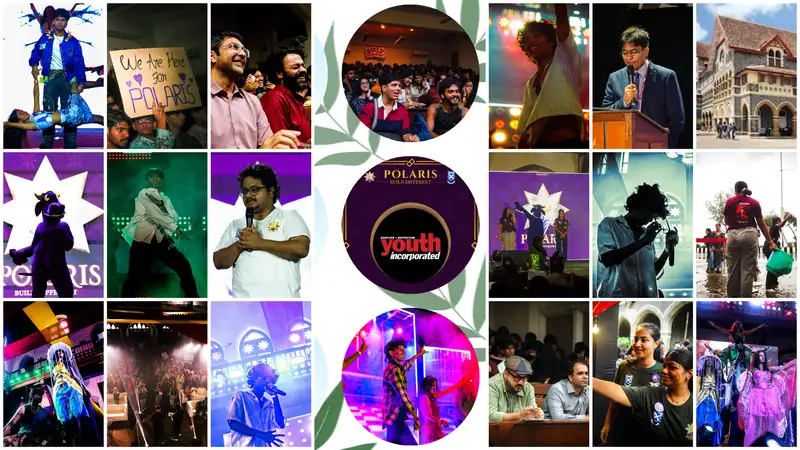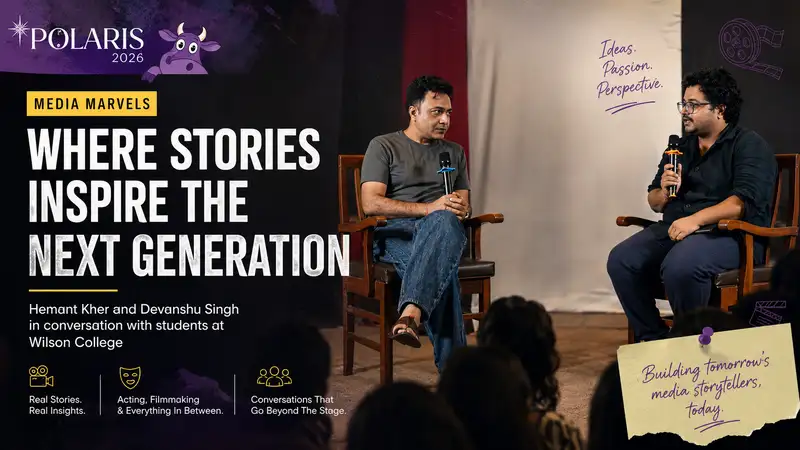
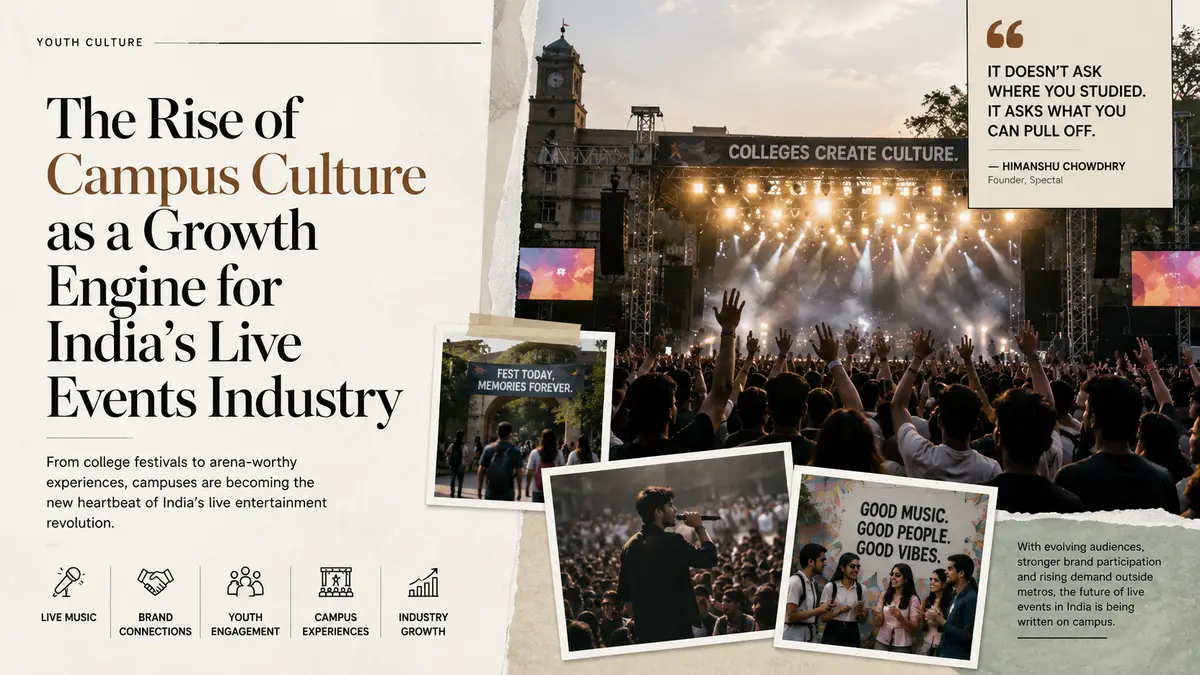
College festivals have officially evolved. What started as a hunt for free snacks and attendance now involves headlining artists, brand activations, and production budgets that could rival some weddings.
Celebrities in India, years ago, were a rare sight to spot across the cities, but with time, things have turned around completely. The youth is now a big part of the audience that celebrities and marketeers look forward to. And what better way to reach them than the colleges they study in? Universities in the top cities in India have reformed their annual days and social gatherings to more culturally active year-round activities.
The first inter-college festival was started in 1979 by St. Xavier's in Mumbai, and over the years, it has become a campus culture to host live events. Movie promotions, cultural festivals with fashion shows and theatres, sports tournaments, seminars and freshers or farewell parties are some of the highlighted events where renowned people from that field are invited to participate, judge or talk.
The impact of these events is very good for marketing, and it also benefits the students in several ways. We had an opportunity to speak to Mr Himanshu Chowdhry, founder of a Delhi-based boutique agency - Spectal, that specialises in experiential marketing, live entertainment, and artist representation. They are widely known for connecting brands with youth culture, organising large-scale events, and running brand activations at college festivals. Below is what he had to say:
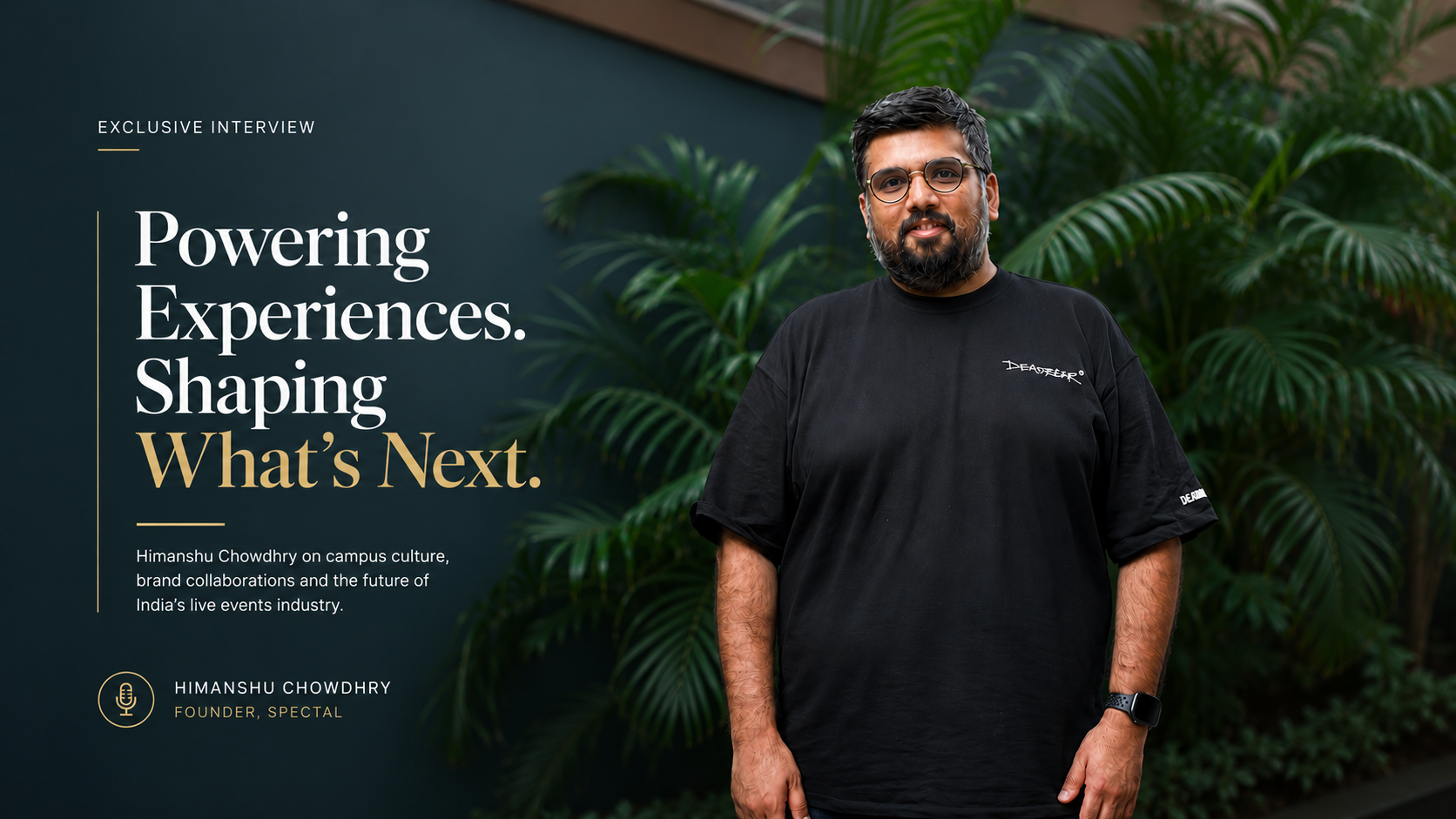
Q1. You've worked on more than 350 campus festivals. How have student expectations evolved compared to a decade ago?
A. Students today expect much more than just seeing a famous face on stage—they want a memorable experience. Exposure to global festivals and international tours has raised expectations, while music preferences have shifted from rock towards hip-hop and alternative genres, with Bollywood continuing to remain a crowd favourite. According to the expert, the biggest crowd-pullers aren't always the artists topping streaming charts, but those who deliver unforgettable live performances.
Q2. What categories of live events do you see growing the fastest in India over the next five years?
A. The future looks bright for mid-sized concerts that accommodate around 3,000 to 5,000 attendees. Alongside these, niche community-driven events—from book clubs and run clubs to mindfulness retreats and curated cultural experiences—are rapidly gaining momentum as audiences seek experiences that reflect their interests rather than one-size-fits-all entertainment.
Q3. Are campus festivals becoming launchpads for emerging artists instead of just entertainment events?
A. Not quite. While social media and streaming platforms are now the primary discovery channels, college festivals help artists build something even more valuable: loyal fans. A memorable campus performance encourages audiences to attend future concerts, turning casual listeners into long-term supporters.
Q4. What's the biggest misconception brands have about Gen Z audiences?
A. One of the biggest myths is that Gen Z is a single, uniform audience. In reality, students across different cities have diverse tastes, cultures and interests. Another misconception is that they have short attention spans. Instead, they're simply quick to disengage from experiences that don't feel authentic or worth their time.
Q5. Does the commercialisation of campus culture risk diluting its authenticity?
A. The expert believes authenticity and commercialisation can coexist. Young people naturally create their own culture, and when brands contribute meaningfully instead of interrupting the experience, everyone benefits. Successful collaborations focus on enhancing campus events rather than turning them into advertisements.
Q6. Beyond the metros, what's actually changing on the ground in Tier 2 and Tier 3 markets?
A. Thanks to the internet, students across India are just as aware of global music, artists and cultural trends as those in metro cities. Many of the country's largest colleges are located in Tier 2 and Tier 3 cities, where campuses often become the biggest entertainment venues. These institutions have successfully hosted international artists, proving there's tremendous demand beyond metropolitan audiences.
Q7. How do brands measure ROI beyond social media impressions and reach?
A. While online impressions matter, meaningful engagement is a far better indicator of success. Metrics such as footfall, dwell time, product interactions, coupon redemptions, app downloads and lead generation provide a clearer picture of impact. Ultimately, brands should define their objective before deciding how to measure results.
Q8. Does India need dedicated infrastructure or incentives for the live events industry?
A. Improving the industry doesn't necessarily require building entirely new venues. Better utilisation of existing stadiums, arenas and college campuses—combined with easier permissions, lower taxes and improved public transport—could significantly expand India's live events ecosystem while making touring more accessible.
Q9. What artist or event format do you see dominating the live entertainment space over the next five years?
A. Rather than chasing trends, artists who remain authentic and prioritise the quality of their live performances are likely to lead the industry. As Indian musicians continue blending global influences with homegrown sounds, audiences are increasingly rewarding originality and stage presence over streaming numbers alone.
Q10. What's one piece of advice you'd give a student wanting to build a career in live entertainment?
A. If you're passionate about live entertainment, don't wait for the "perfect" opportunity—jump in. The industry values creativity, adaptability and the ability to execute ideas more than academic credentials. Whether your interests lie in production, marketing, artist management, sponsorships or event operations, every experience builds skills that can shape a rewarding career. As the expert puts it, "It doesn't ask where you studied. It asks what you can pull off."
Conclusion
College campuses build fandom. Stars gain immense popularity from such platforms. The events create a very basic and real connection between the artists and the audience, and the loyalty of such fans is unmatched. The growing demand for such events is beneficial to the artist, the sponsors who arrange them, and provides an incredible experience for the students. These are very significant for Tier 2 and Tier 3 cities, where stars are rarely spotted.
The brands receive ROI beyond likes. They develop a genuine community. More and more companies are getting involved in such techniques of marketing. These events are also opening job opportunities and career options inside the PR and human resources category. Even the mid-sized events can pay really well, while the campus infrastructure gets stronger.
If you want to build a career in this stream, as said by Mr Himanshu, just jump in.