
Your CGPA may get your resume noticed, but your skills are the ones saying, "Relax, I've got this”.
A decade ago, good results from a reputed college or university would have been sufficient to land you a job. If you had a degree from a college or university in a foreign country, you would definitely get your dream job. Now, you need a resume filled with skills to land a job. Recruiters are constantly looking for candidates who are well-versed in their academics with extra certificates and skills. Only academics do not help. The competition has increased multiple times.
Why Skills Matter More Than Ever In 2026?
AI is automating repetitive work
With platforms and programmes like Grammarly, Jasper and Paradox, much of the office work has been automated. The human workforce is no longer required to do these daily menial jobs. The jobs in this spectrum are affected by the rise of AI, but not threatened. AI is not replacing the person doing the job; it is just accelerating the pace of work, leaving more time and space to do other things. This is where additional skills can aid in job security over the yea₹
Companies want job-ready graduates
Every company is looking for employees with experience, even for entry-level positions. They need someone with the right mindset, technological knowledge and skill set for their entire business even as a fresher.
Internships matter
After leaving school, on-ground experience is important. Internships help freshers gain real-world knowledge and skills, and skills brushed in such jobs can enhance how recruiters look at your resume. Internships help guide freshers with workplace communication and cross-functional collaboration.
Micro-certifications have value
Certificates taken on the side while doing your main academics help to make a lasting impact on your resume. Many startup founders are looking forward to recruiting people with the right skills, sometimes even if they have no resume. Micro-certifications can help in gaining the required field knowledge and expertise in one field instead of little knowledge in all fields.
Skills are transferable across industries
If we take AI for example, if someone knows how to take advantage of this software, they can help across multiple industries. They can help in medical, editorial or even IT companies. Similarly, many skills that we will discuss today will be applicable in several fields. A strong portfolio can often strengthen a resume far more than generic buzzwords such as ‘teamwork’ and ‘leadership’.
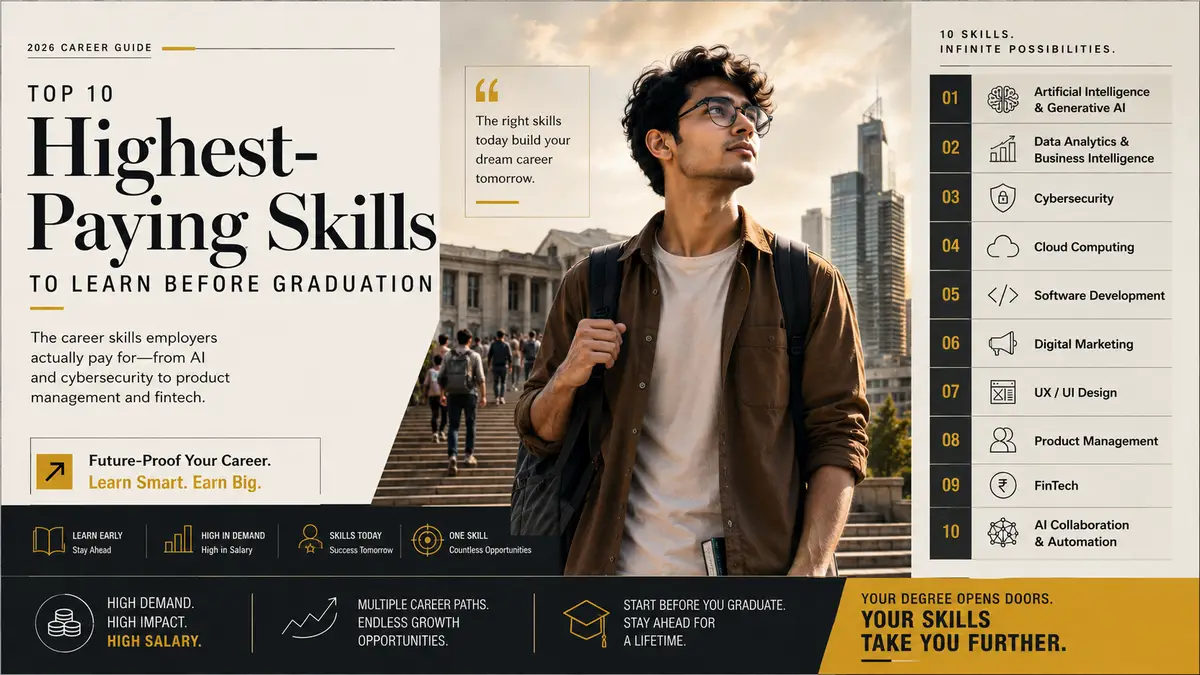
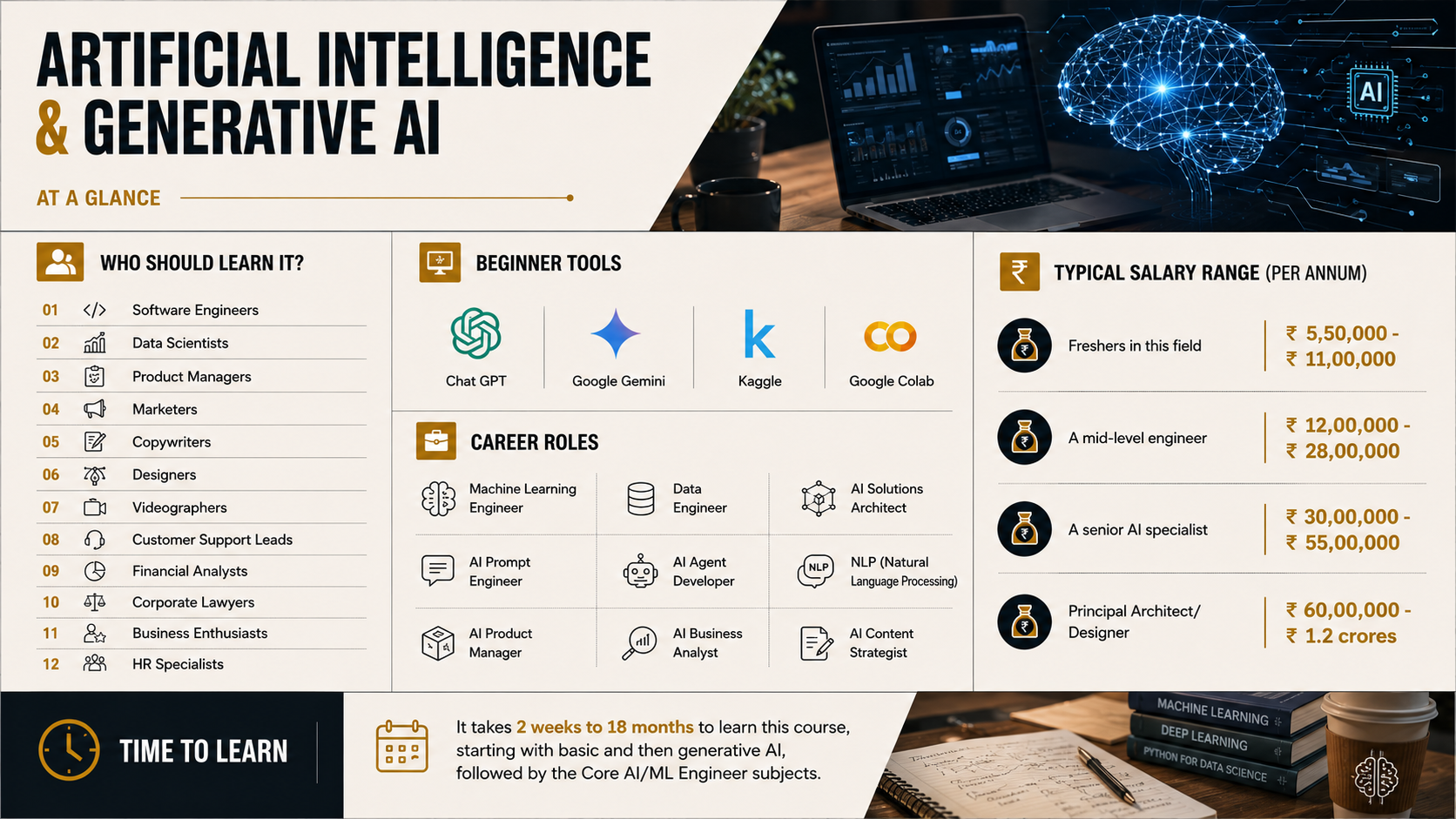
1. Artificial Intelligence & Generative AI
Artificial Intelligence is a vast field of computer science that can simulate human tasks by building machines. It has a subfield called generative AI that can use existing data to develop new original content.
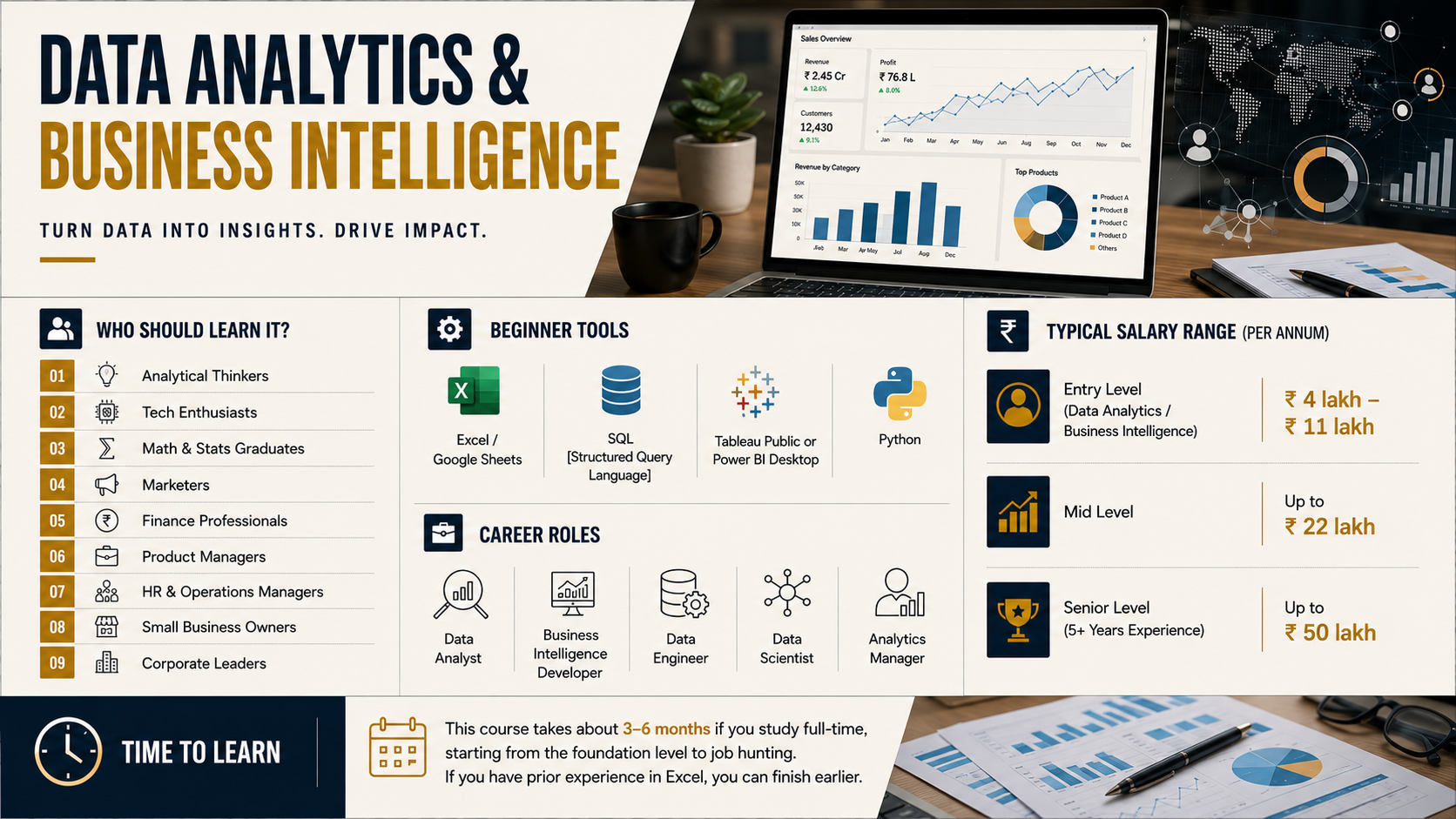
2. Data Analytics & Business Intelligence
Business Intelligence uses historical data to decipher the current metrics of the company, and data analytics uses advanced statistical techniques to predict the future of market demands, variables that may have been causing a drop, customer analysis, etc.
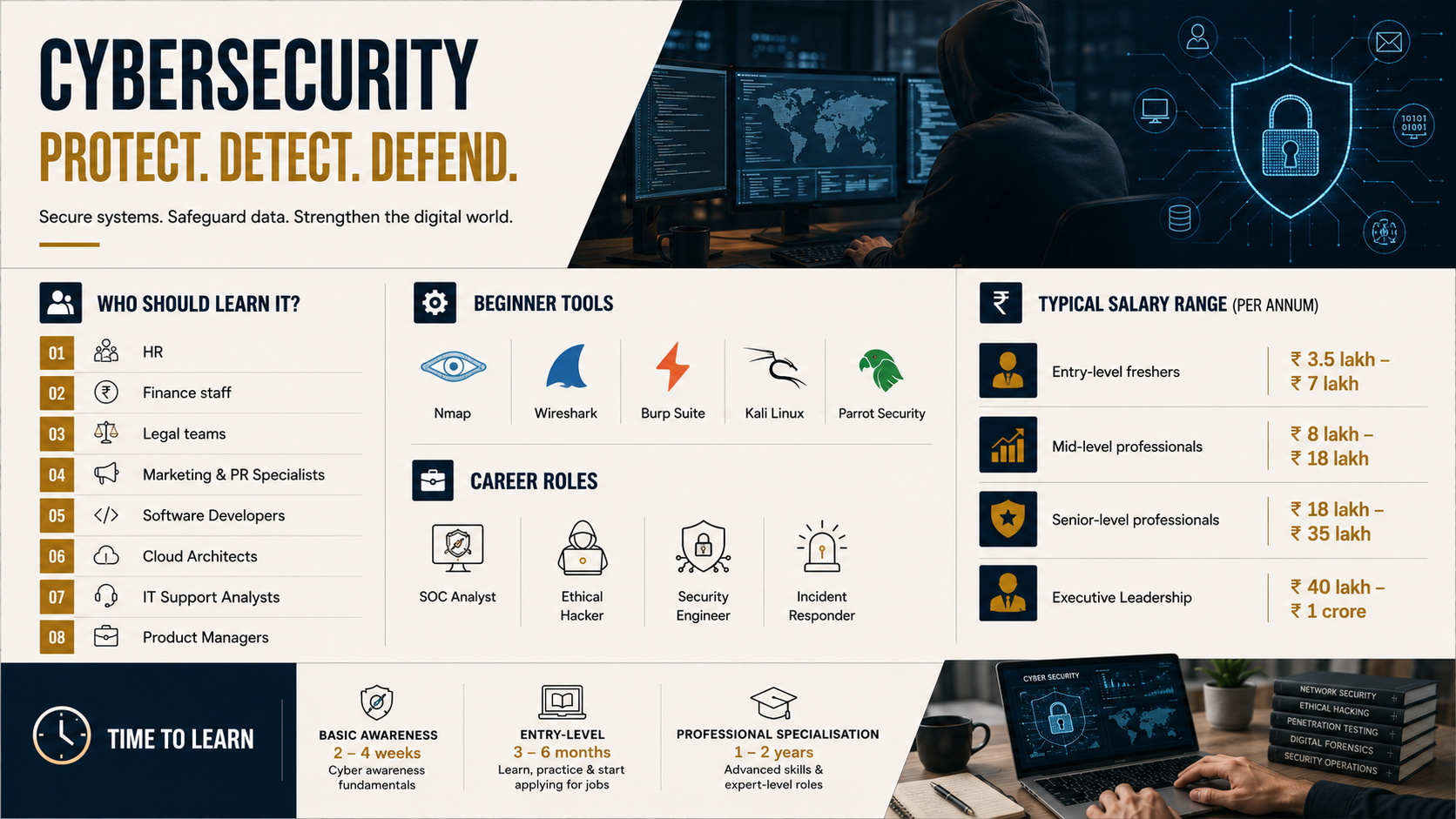
3.Cybersecurity
Cybersecurity is the practice of protecting digital systems, networks, devices and data from unauthorised access, cyber attacks and damage. Organisations use this skill to maintain customer trust and comply with data privacy regulations.
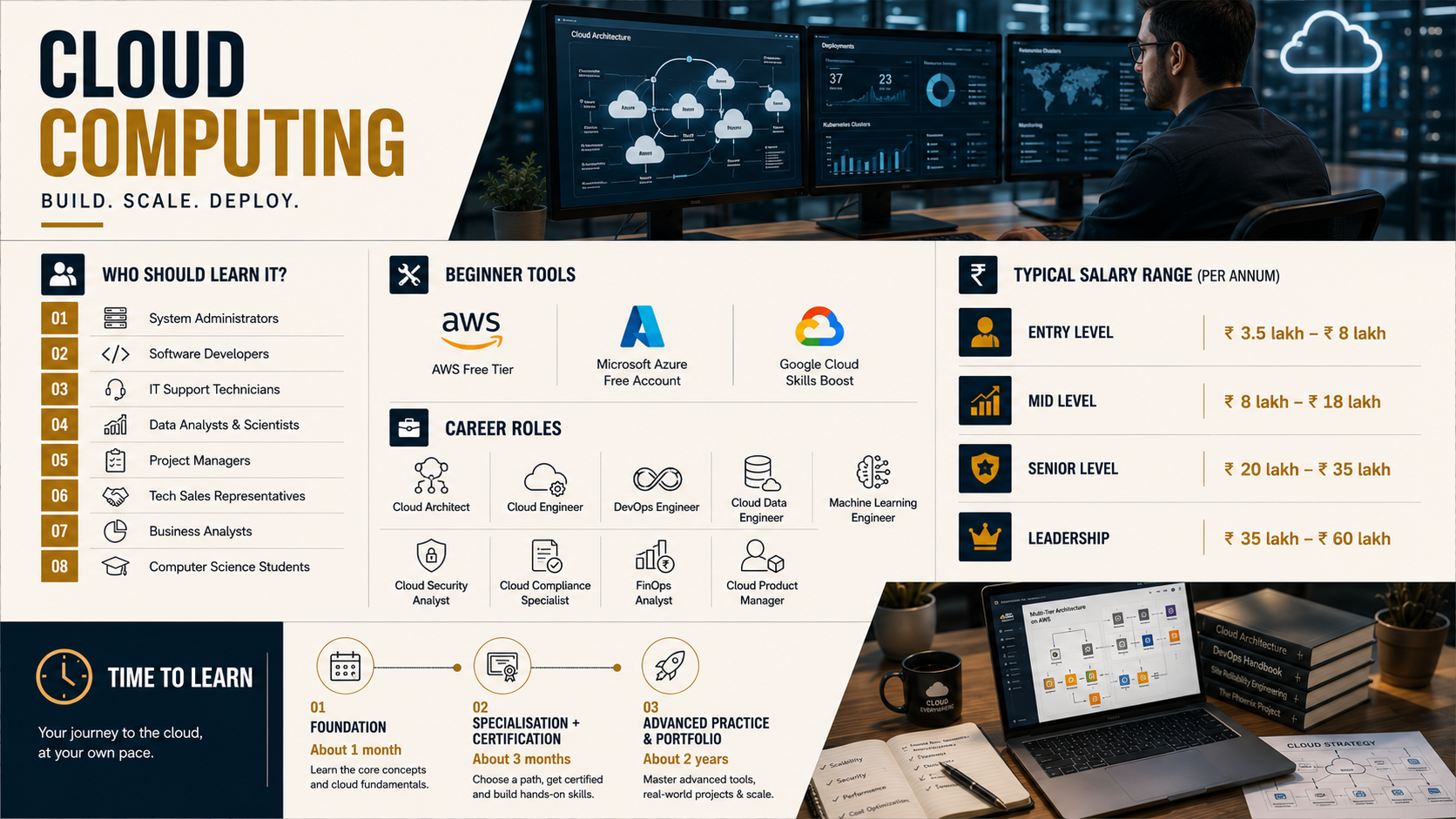
4. Cloud Computing
Instead of keeping physical hardware, people are now resorting to cloud computing, which is the on-demand delivery of computer services like storage, servers, databases and software. It is like renting services for a particular amount of time.
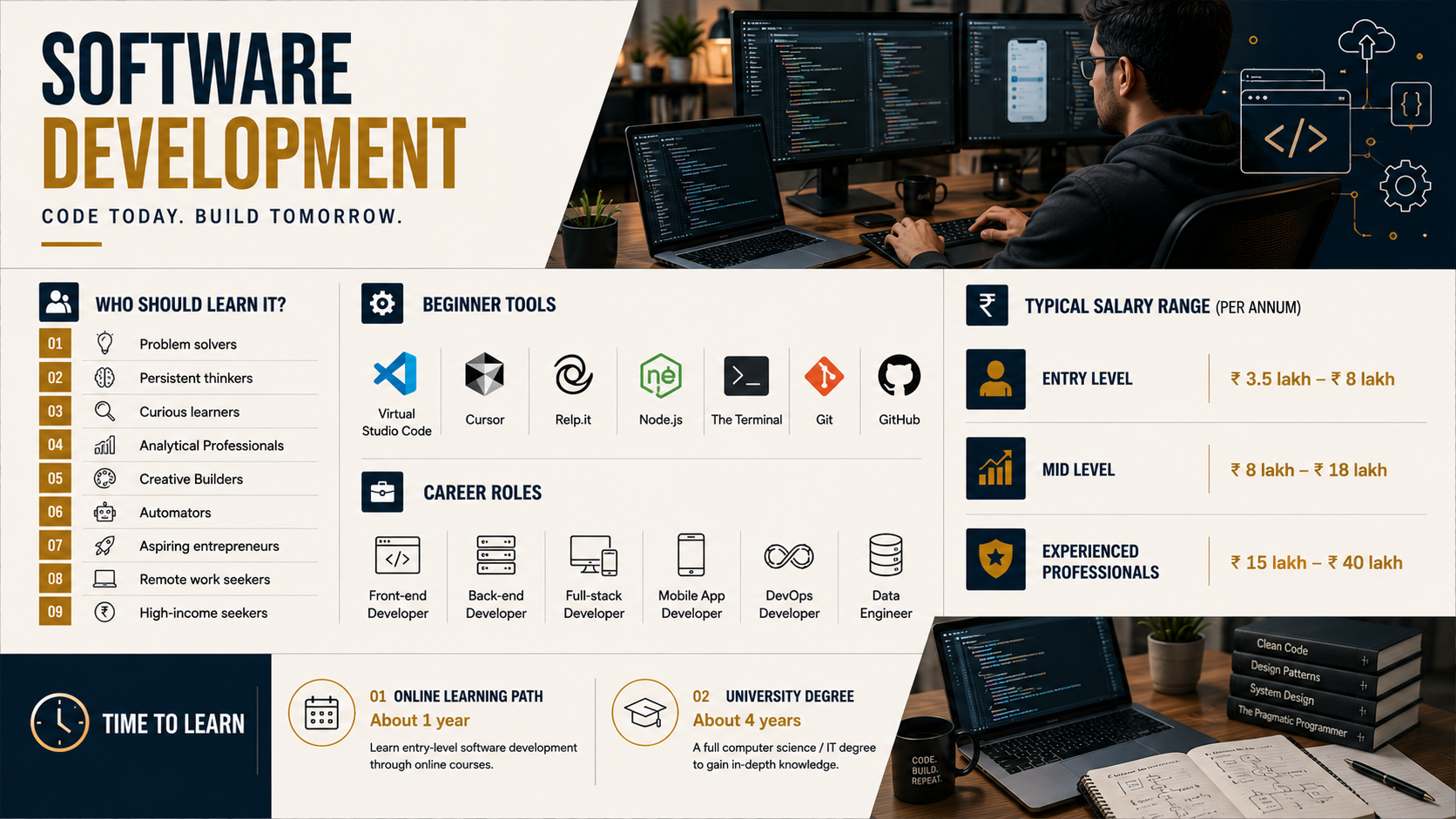
5. Software Development
Software development is the complete process of designing, planning, developing, maintaining and testing computer programmes by writing code and fixing erro₹ There are different types of software required for different types of operations.
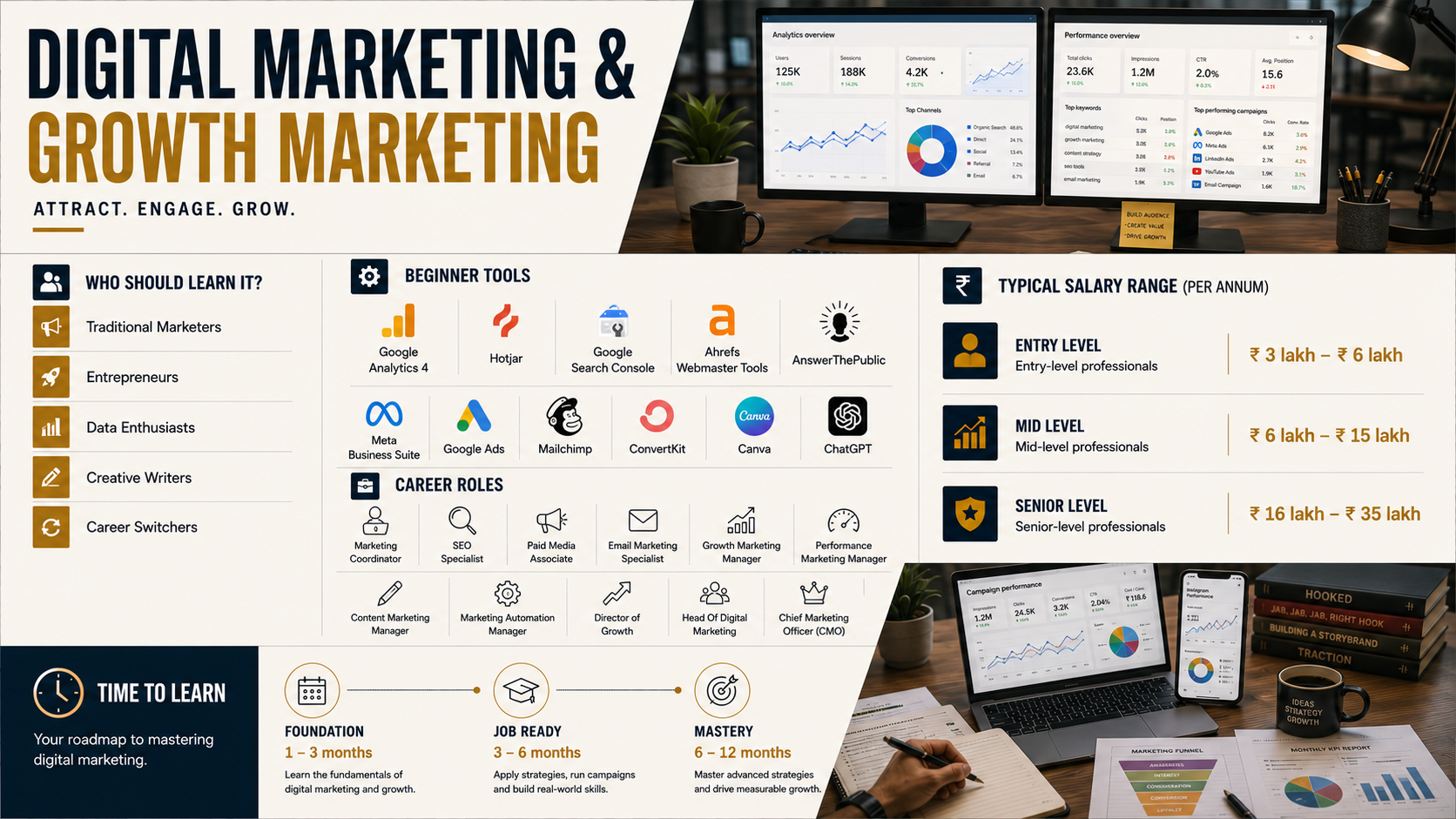
6. Digital Marketing & Growth Marketing
Digital marketing involves promoting products and services through online channels to drive more traffic and build customer loyalty. After getting a customer base, growth management comes into the picture. It helps in maintaining customer relationships through testing of data. Both the streams are interlinked.
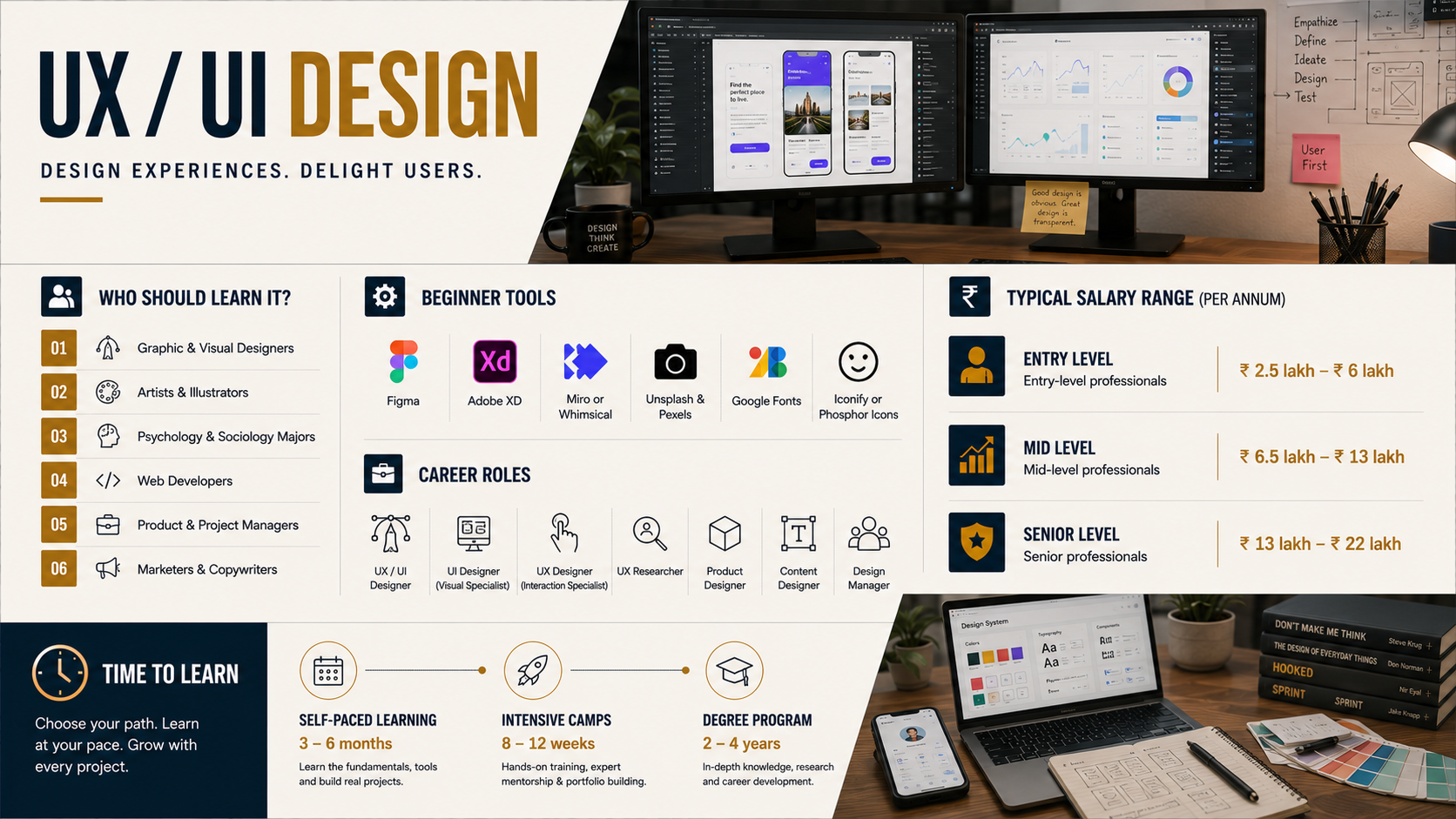
7. UX/UI Design
This category of designing is for app development based on user experience and interface. With visual looks and interactive elements on the screen, UX focuses on how the user interacts, while UI focuses on the design.
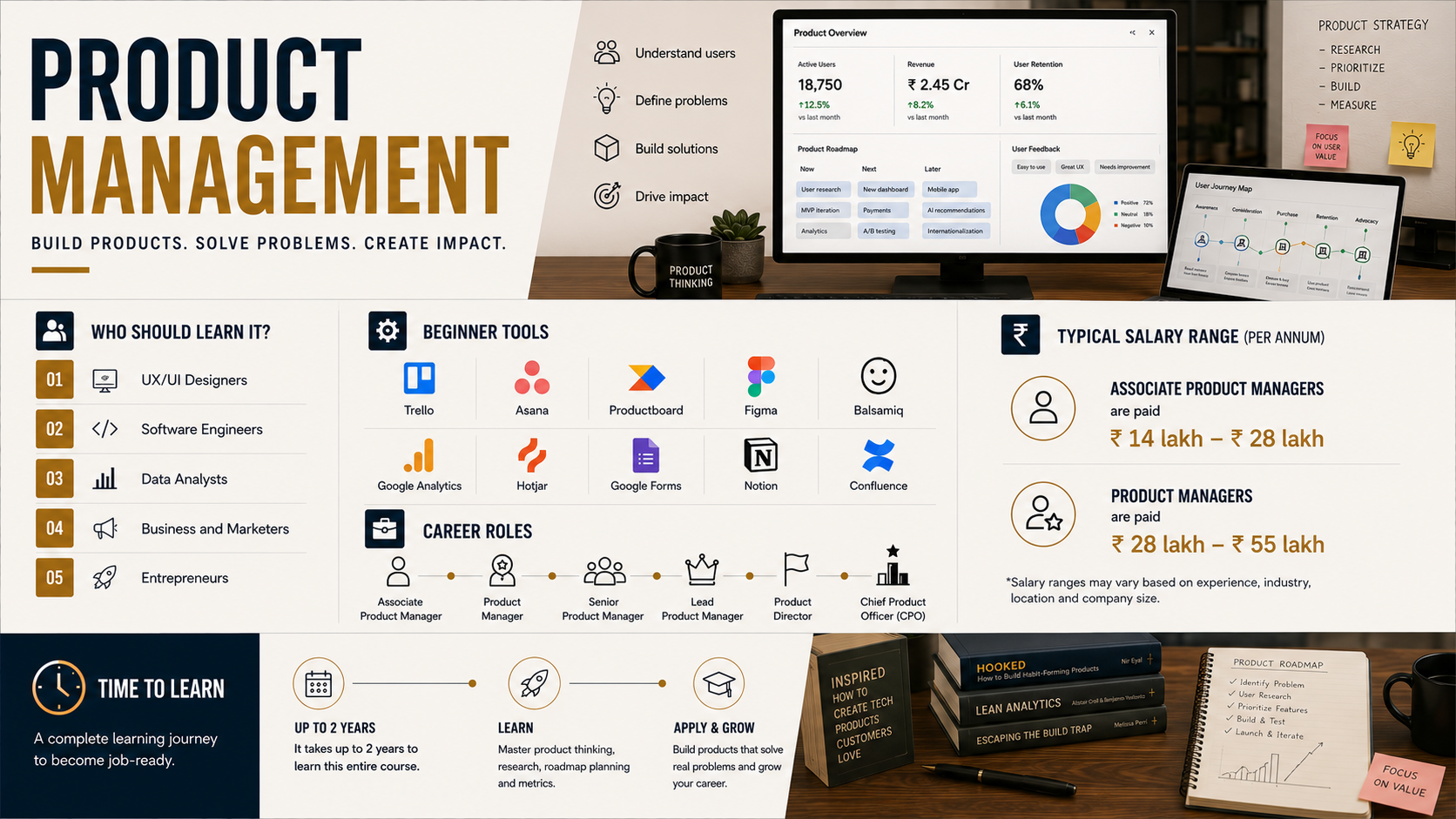
8. Product Management
Managing a product through its life cycle, starting from the idea, strategy, features and outcome, balanced with consumer demands and technical feasibility for business growth, is done through a skill called product management.
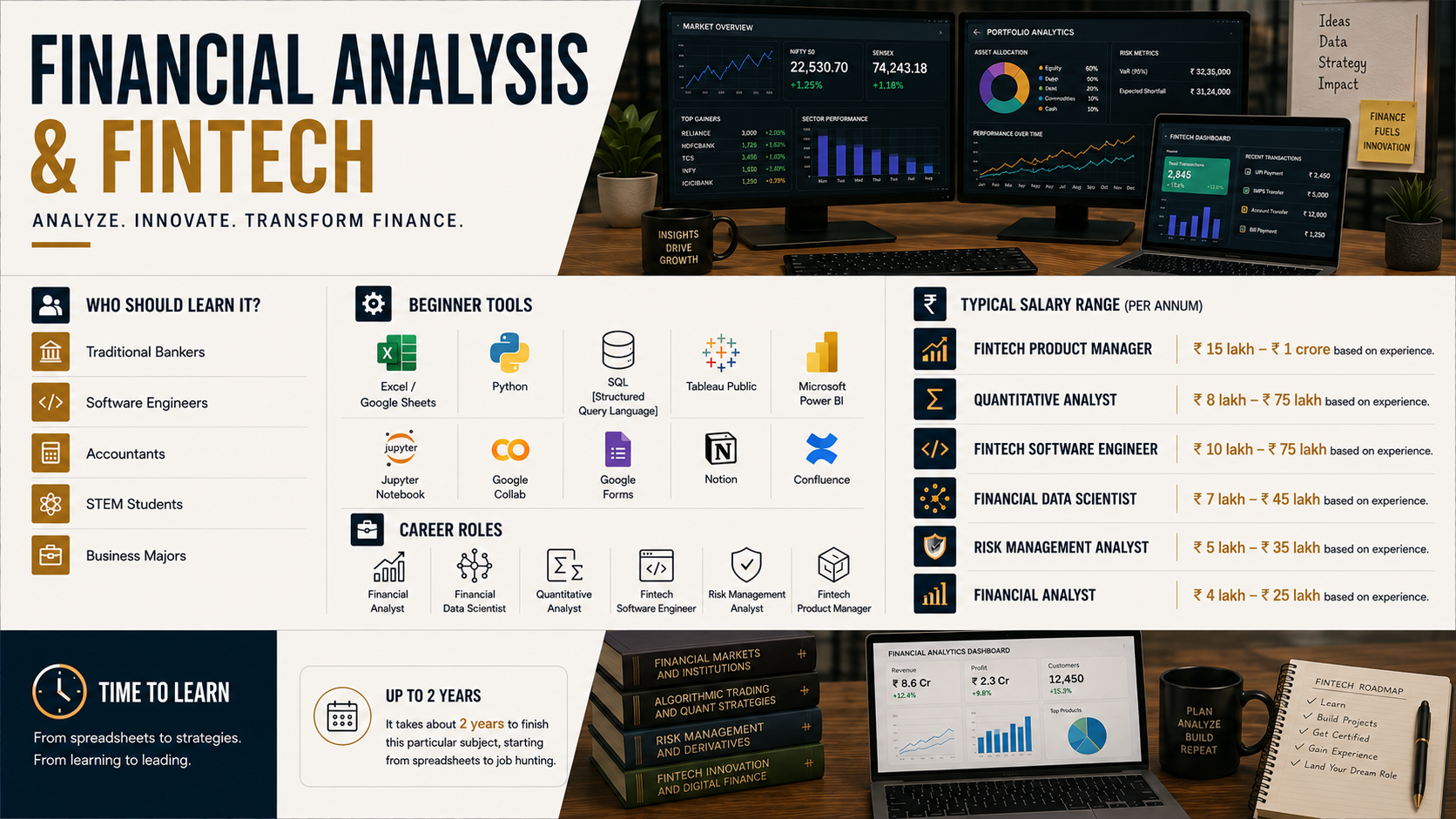
9. Financial Analysis & Fintech
The study of money is financial analysis, and the handling of money is Fintech. Financial analysis shows the weak points of the company, so the owners know where to invest more or where to cut costs. Fintech helps replace paper with automated payments, quick loans and better investing strategies.
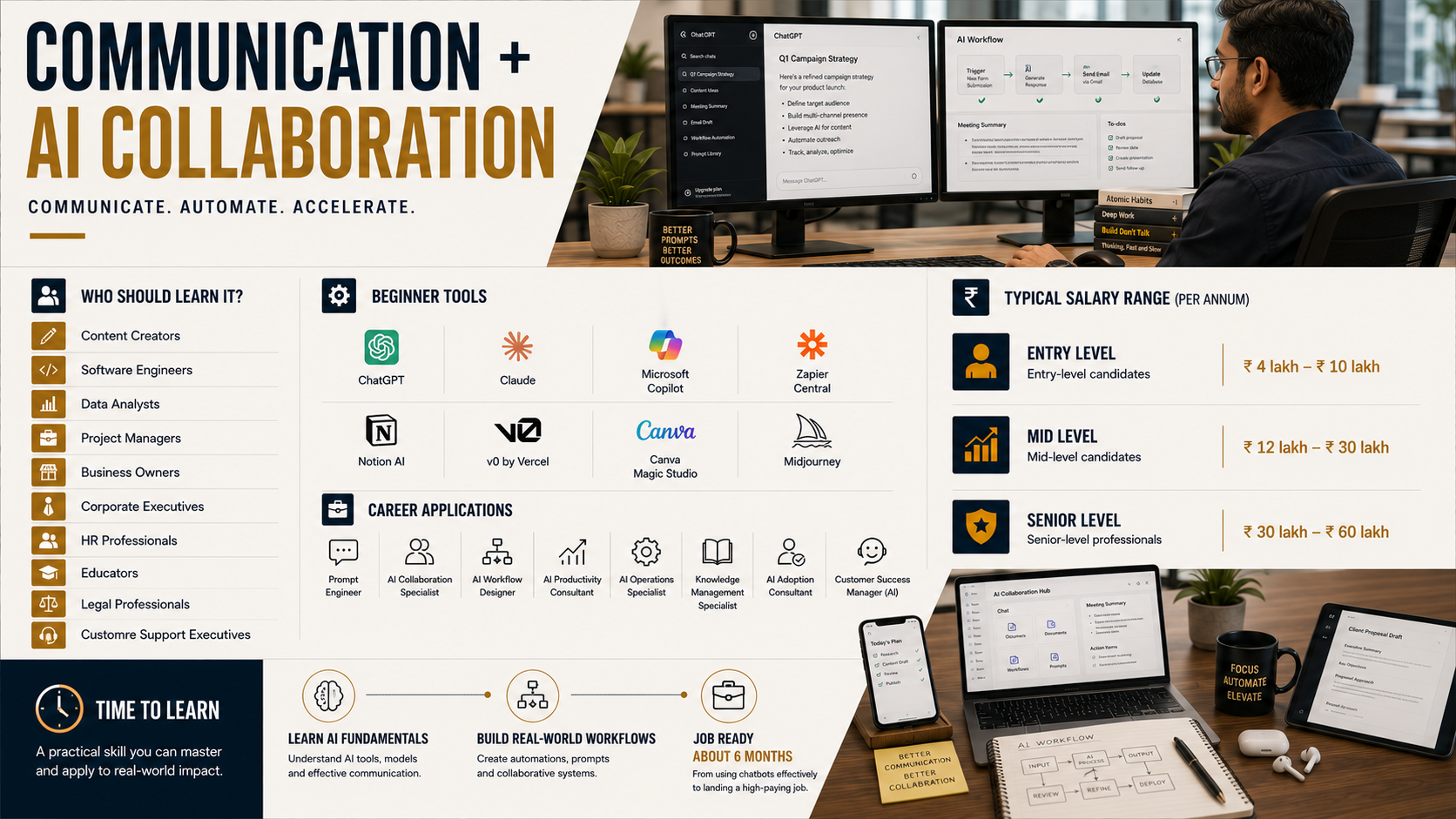
10. Communication + AI Collaboration
Alongside technical capabilities, employers are seeking this skill in candidates. It is not just communication. It is a blend of communication with AI that effectively works to share ideas and information to reach a common goal. It is an interactive loop where the human leads, AI supports, AI supports, human corrects and so on.
The Takeaway
Education does not end at graduation anymore. Combining 1 or 2 skills to your resume has become necessary to land a high-paying job. AI won’t replace everything. But people who can use AI well might replace them. It is not important to learn all the skills. But it is important to have 1 business-based and 1 communication skill up your sleeve while job hunting. The best time to start is now.