Plot twist: You may find something from the next global fashion trend in your grandmother’s wardrobe.
When it comes to fashion, Indian textiles have long made their mark on the global stage. Fast-moving fashion comes and goes, but Indian handloom and fabrics have been in ‘trend’ for centuries.
Global fashion is built on comfort, affordability, sustainability, and accessibility. People are always looking for something new. The quest for statement pieces that can be styled in multiple ways over the years and last for years doesn't end.
Indian dresses and fabrics have a long history. We have been weaving for centuries. With so many different cultures and languages, every textile is a piece of legacy brought down from generation to generation with respect and love. Every community or religion has a signature style. And that makes India a rich hub for fashion-forward choices.
For contemporary consumers, the main challenge is accessibility. Indian textiles offer individuality, craftsmanship and sustainability- all three qualities that are currently looked for while making fashion choices. But without the right interpretation and marketing, it is very difficult to establish a footprint on a global level.
Various Types Of Indian Textiles
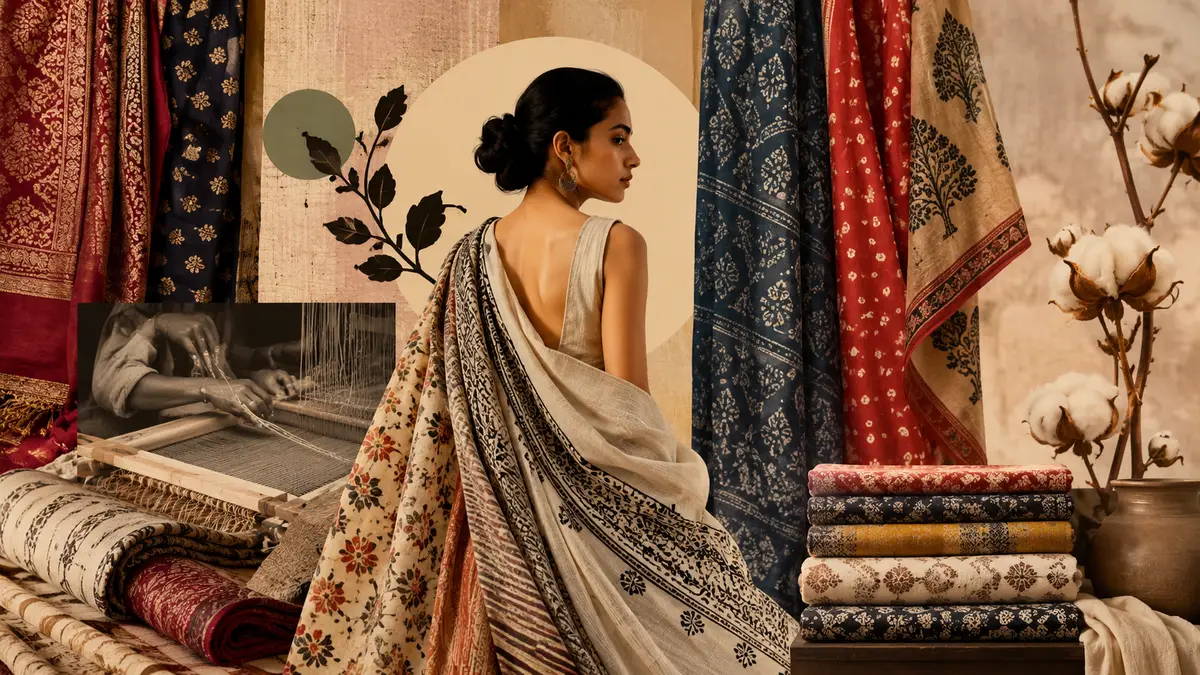
India never had ‘one’ traditional textile. There are so many types:
Traditional Silks
Banarasi Silk, from Uttar Pradesh, Intricate gold and silver zari work
Kanjeevaram Silk, from Tamil Nadu, contrasting borders, vibrant colours over mulberry silk.
Chanderi, from Madhya Pradesh, soft and lightweight with silver or gold motifs
Paithani, from Maharashtra, handwoven with kaleidoscopic designs
Muga Silk, from Assam, rare and golden-sheened wild silk
Tussar Silk, Jharkhand & Bihar, natural deep gold coloured
Maheshwari, from Madhya Pradesh, lightweight silk-cotton blend fabric
Cottons & Handlooms
Khadi, handspun and handwoven
Mulmul, extremely soft muslin cloth
Mangalgiri, crisp cotton fabric, clean design and zari border
Kota Doria, checkered sheer fabric made from cotton and silk threads
Resist-dyed & Printed
Bandhani, tiny dot constellations made by tie-dye
Ikat, resist-dyed yarns before weaving
Patola, warp and weft dyed, double ikat style
Leheriya, tie-dyed diagonal wave patterns
Kalamkari, hand-painted or block-printed with natural-earth dyes
Ajrakh, crimson and indigo hues with traditional block-print
Embroidered & Quilted Fabrics
Chikankari, delicate shadow-work, white-on-white thread embroidery.
Kantha, running stitch embroidery to turn layered old saris into soft throws
Phulkari, darning stitch silk embroidery in bright colours
Zardosi, heavy metallic [gold, silver or copper] wire embroidery
Wools & Speciality Weaves
Pashmina, Himalayan goats’ cashmere wool spun into fabric
Kasavu, traditional cream cotton fabric with heavy gold embroidery on borders
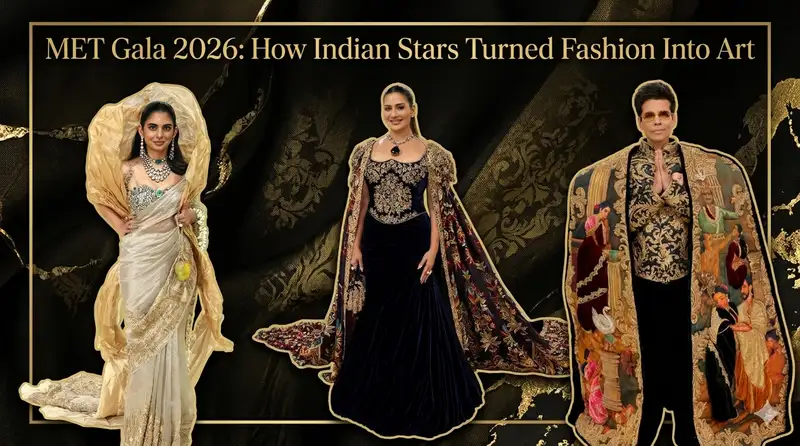
Many of these fabrics have been notably recognised on the global stage through celebrities and fashion icons wearing outfits that showcase India’s rich heritage.
Why Are Traditional Textiles Suddenly Becoming Relevant Again?
For so many years, Indian textiles were only confined to traditional outfits. There was no sign of Indian prints and styles on the global level. But with the advent of social media and AI, things have rightfully changed. Many renowned brands are taking the fusion of culture and fashion to the next level.
The most meme-worthy examples are Prada launching Kolhapuri sandals, Ralph Lauren’s fashion show with models wearing jhumkas, and Dior using mukaish fabric for coats. The reason behind this sudden change is:
Fast-fashion scooting over:
Wear with intention:
Aesthetic for the camera:
Young Indian designers are changing the conversation:
Awareness of textile wastage is on a high note. People are now looking forward to thrifting or being conscious of their fashion choices to ensure less wastage of clothes. This requires timeless pieces. Indian textiles provide longevity, craftsmanship, slower production, regional identity, and uniqueness because small batches mean limited pieces. With mass production, the uniqueness and craftsmanship go down the drain. And since fashion is without intention, it goes haywire, sometimes incurring heavy loss of product and money both.
When someone walks in, the environment changes as per the clothes they wear. Society makes the first judgement through clothes, and there is nothing we can do about it. Everyone wants to wear something that can constantly speak about the type of person they are; their thoughts should reflect through their style. Indian textiles and their unique way of being transformed into outfits can do this effortlessly, unlike others.
While mass production can be replicated, Indian textiles can speak for place, people, technique, history and craftsmanship. For consumers looking for authenticity, this is gold.
Social media content, especially short-videos are increasingly favouring the fusion of Indian textiles and comfort clothing. There are many brands working to make Indian prints fit into Western styles. Ajrakh shirts, bandhani trousers, block-printed dresses, and chikankari tops are loved by consumers. This is where the crowd is positively influenced to allow Indian heritage into contemporary fashion.
There are many Indian designers and brands experimenting with Indian designs and textiles. They mix up modern silhouettes with traditional textiles, add minimal styling, and even try hands on gender-neutral clothing. This also provides an opportunity for craftsmen and labourers from around the country to show their skills and increase chances of employment. Below are some prominent brands that are using Indian textiles:
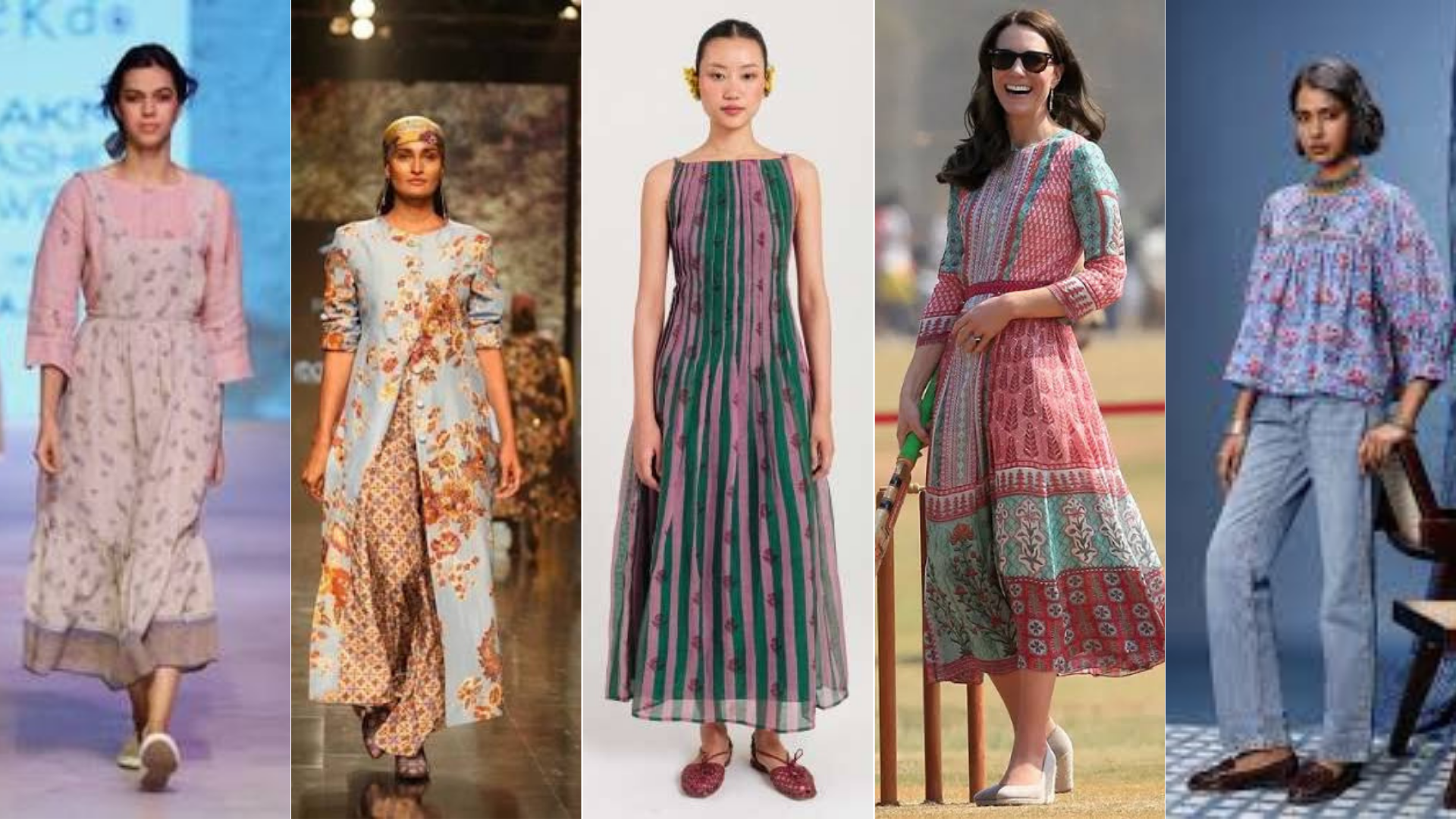
Eka: Founded in 2011, this brand often works with vintage designs, pastel shades and layered outfits, often sourced from repurposed fabrics. They keep production small-scale and stress the importance of re-wearing outfits.
Payal Pratap: Founded in 2010, this brand is unique because of its designs. From yarns to the consumer, the entire process is slow and intentional. The designs speak India with cotton and linens embroidered to perfection. They work with weavers from all around the country.
Jodi: Founded in 2014, this brand focuses on bringing Indian techniques with block prints, bandhani and embroidery on pieces that are easy-to-wear for daily comfort. They work really well with colour selection.
Anita Dongre: Founded in 1995, this designer has flagship stores in many countries. She has taken Indian textiles to new heights by making dresses for Beyoncé, Kate Middleton and many more. Her work speaks of her love for Indian heritage.
Taavi: Founded in 2019, this brand features peplum tops, kaftans, and Ethnic Indian outfits at affordable rates with prints like kalamkari, bagru, ajrakh and sanganeri over cotton fabric.
Apart from these, there are multiple small and big brands taking initiative to bring indian textile to the global stage. Their dedication to helping artisans and craftsmen from around the nation to come to light is commendable.
What Would It Take To Make Indian Textiles Stand Out Globally?
Indian textiles need a shoutout without reframing their identity. Instead of preserving the clothing, the craft needs preservation, and fashion is to be built around that craft.
India is already a major exporter of textiles and handlooms. It has reached markets in the US, UAE and Europe. The Ministry of Textiles and NIFT’s “Vishwa Sutra-Weaves of India for the world” has worked to present 30 Indian handloom weaves through inspiration drawn from 30 countries.
What made Indian textiles attractive to them was the craftsmanship. It was the individuality in every piece, every piece with its own visual identity. Every textile had cultural significance and storytelling.
Since the products are slowly produced and not easily accessible, people use them with more care. It is sustainable and unique.
To take this global, there are several challenges, which we can overcome:
Pricing: handmade products cost more than mass production, add on the import/export charges.
Consistency: Human-crafted products may lack consistency and have natural changes in designs or prints, which are not in our hands to control.
Awareness: People might know Indian fashion, but could be clueless about how ajrakh is different from kalamkari and block print. There is more need to spread awareness about the same.
High demand: Machine-made products can be added if regular handmade products take too long to finish, affecting their authenticity.
Other than this, to make Indian Textiles stand on the global stage, we need the right marketing and awareness through the most effective and common medium-social media and technology.
Pinterest trends, creator videos, e-commerce solutions, direct-to-consumer brands, digital storytelling, artisan-led content, virtual fashion showcases, and hands-on touch with global marketplaces online can help with the cause.
With transparency on where, how and when the product was made, and the benefits that artisans get from it, we can achieve this deal. Technology can help a small weaving community reach the consumers who may never physically visit the place where the textile is being produced.
Tradition Doesn't Have To Stay In The Past
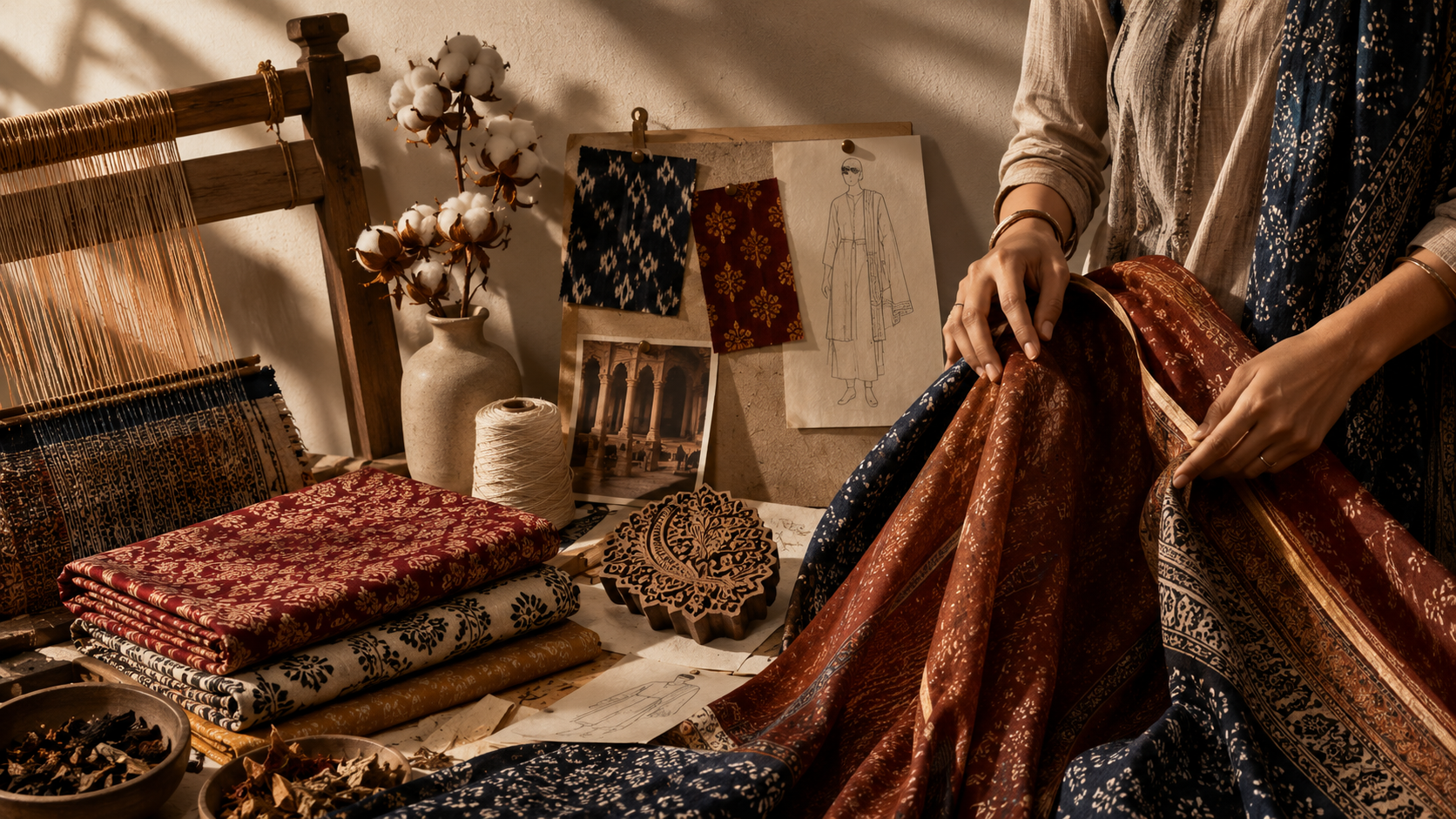
The winning formula is likely:
Indian craft + contemporary design + global accessibility
rather than:
Indian craft + removing everything that makes it Indian.
International appeal to make Indian Textiles stand out globally should come from the craft itself, while silhouettes, styling, branding and distribution remain variable.
Indian textiles have all the potential to be the next global fashion trend. Especially because the generation values individuality, craftsmanship and conscious consumption. They just need to be reintroduced.