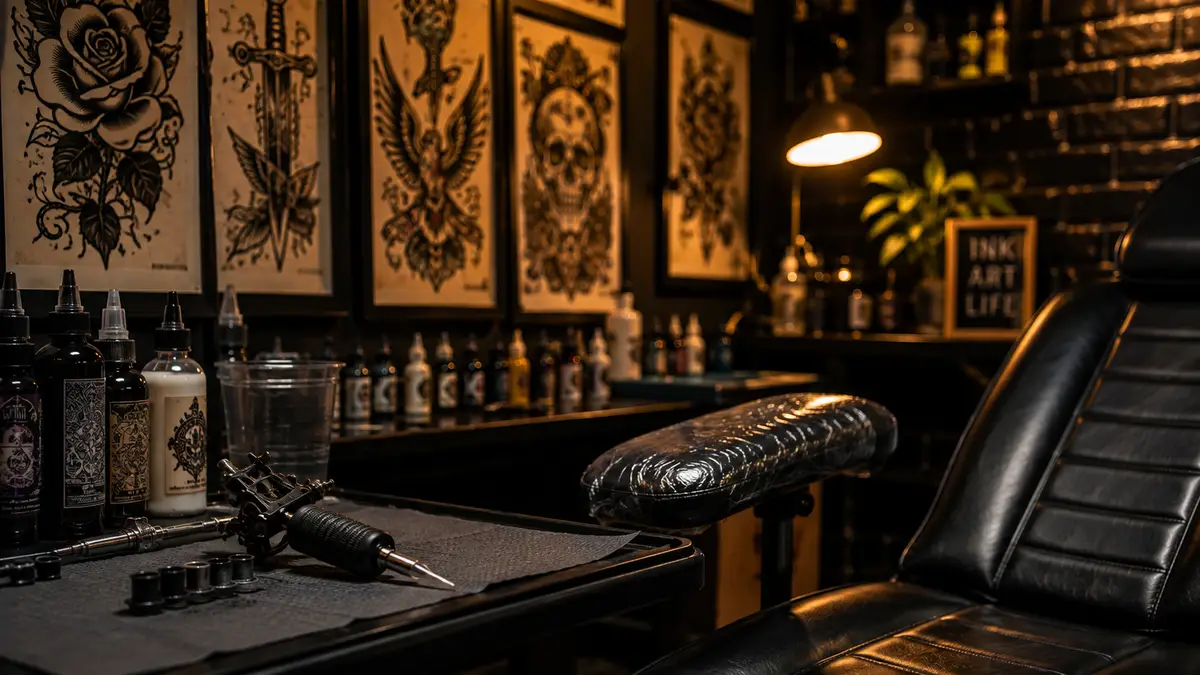
Getting a tattoo is easy. Explaining it to your parents is the real art.
But tattooing in India is no longer just a symbol of rebellion. It has transformed into an expression of self, storytelling and identity.
Inking on the skin of human bodies- tattoos- is not a new-age art. It has been practised for centuries. People in ancient times used it for medicinal properties, a mark of social status, or spiritual protection. In Greece and Rome, it was also used for marking slaves and criminals. The tradition dates back 5000 years.
Modern-day tattooing in India was largely looked upon as a rebellious act; young people with tattoos were assumed to be a disgrace to the family, a shame for parents. But the story is very different now. Elite athletes and celebrities have branded tattooing as a form of art and a keepsake memory of life’s significant moments etched on the skin.
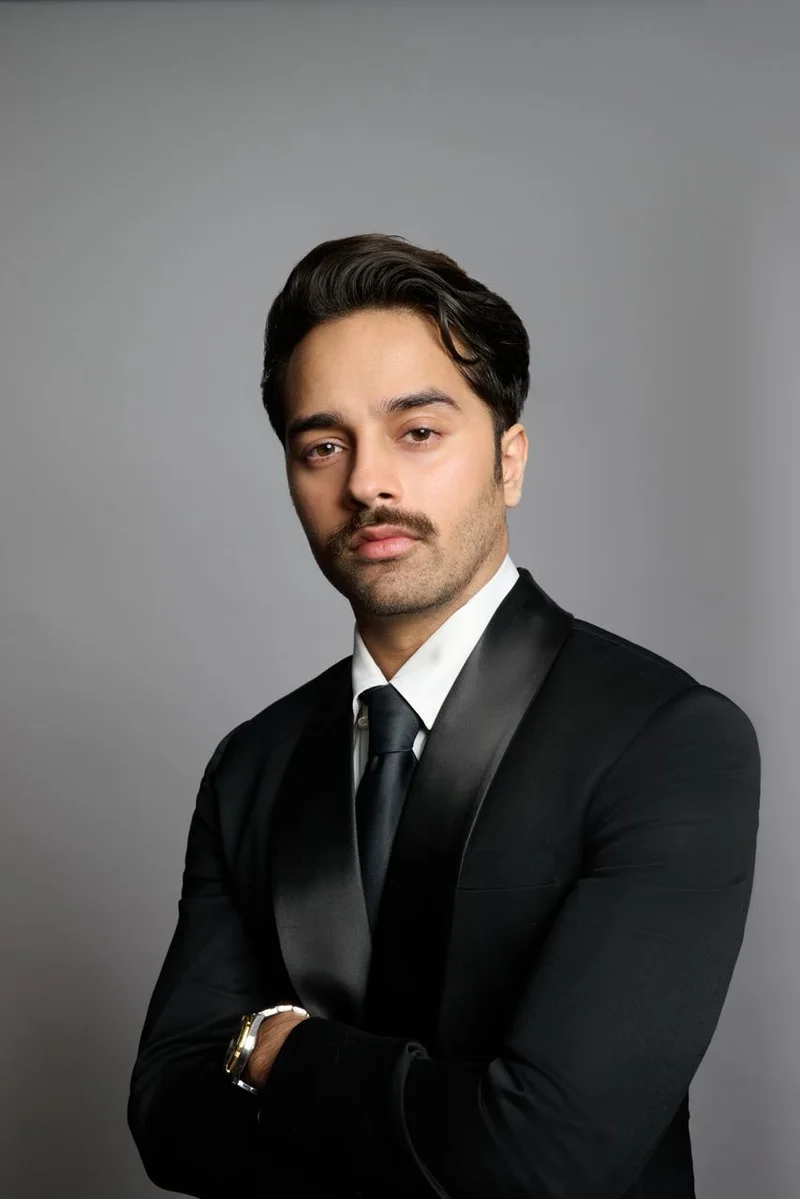
We had an opportunity to speak to Mr Sunny Bhanushali, a professional tattoo artist and founder of Aliens Tattoos & Tattoo Art School. In this article, he discloses how he views tattooing, the changes in the industry over a decade, and much more. Let’s dive in:
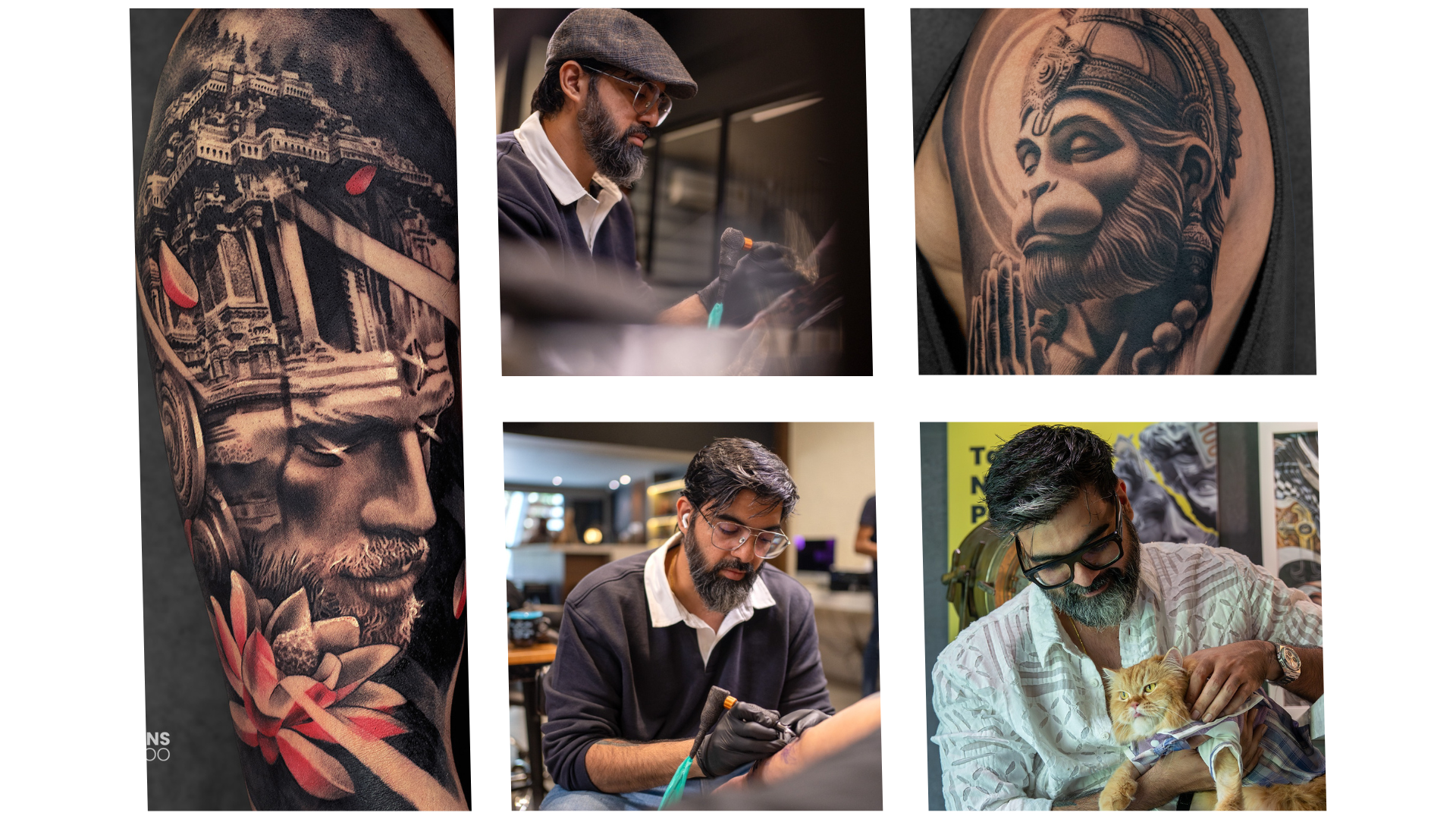
Q1. Aliens Tattoo has become one of India's most recognised tattoo brands. What was your vision from day one?
Ans: My vision was rooted in a simple purpose: to unleash people's free spirit through art. I wanted to build a world where tattooing was a powerful medium of self-expression, transformation, and connection—not a niche, but something anyone could embrace with pride.
That meant setting a new benchmark for the entire category in India, defining what world-class art, uncompromising hygiene, and an immersive studio experience should look like. As we grew, I realised leading the category meant building it from within. That’s why we founded the Aliens Tattoo Art School, providing structured training in skin anatomy, sterilisation, design, and client consultation. Better-trained artists elevate the entire industry. Today, our mission is to shape the future of tattooing and become the world’s most trusted, culturally iconic tattoo brand.
Q2. Your journey began with sketching before tattooing. What made you choose skin as your canvas?
Ans: I started as a telecaller at a call centre, constantly sketching whenever I could. Art was the one thing that made me lose track of time. As I explored creative paths, tattooing stood out because it goes beyond creating something visually appealing—it is deeply personal. Unlike paper, a tattoo becomes part of someone’s identity, carrying their stories, milestones, and memories for life. That blend of art and lasting human connection is what drew me in; it gave my art a true purpose.
Q3. Do you believe AI-generated tattoo concepts help or hinder creativity?
Ans: Tattooing is deeply personal, and AI can never replicate genuine human meaning. While AI is a helpful tool for clients to explore ideas or for artists to organise concepts, the real magic happens when a human artist adapts a design to complement the body, reflect a journey, and age well. AI only remixes what already exists online. A great artist imagines, interprets, and creates something original. Human creativity will always remain at the heart of tattooing, with technology serving a supporting role.
Q4. Have celebrities ever inspired a new artistic direction for you?
Ans: Working with celebrities pushed me to explore how art can exist beyond skin - opening doors to fashion, merchandise, and creative brand partnerships, like our collaboration with Wrogn. Those experiences challenged me creatively. However, my artistic direction isn't driven by celebrity status itself. What inspires me is creating something original and meaningful, whether for a public figure, a brand, or someone getting their very first tattoo. Every project is an opportunity to tell a story.
Q5. How has the perception of tattoos changed in India over the last decade?
Ans: We’ve seen a remarkable shift. Tattoos have evolved from a taboo into a respected form of self-expression. People aren't just following trends; they’re celebrating milestones, honouring loved ones, and telling personal stories. Acceptance has broadened across all demographics—students, corporate professionals, entrepreneurs, and parents alike. Clients are also far more informed today, prioritising hygiene, artist expertise, and long-term quality over low prices. Being part of this cultural evolution in India has been immensely fulfilling.
Q6. What misconceptions do people still have about tattoos? One piece of advice for someone getting their first tattoo?
Ans: The biggest misconception is that tattoos are just trendy fashion statements. A tattoo carries personal meaning and stays on your skin forever, so it deserves real intention. Another mistake is assuming all studios maintain the same standards—experience, hygiene, and technique vary drastically.
My advice for first-timers: don't rush. Find an artist whose work truly resonates with you, and don't just copy an image off the internet. Share your story with your artist and let them translate it into a piece that is uniquely yours.
Q7. What qualities do you look for in aspiring tattoo artists beyond artistic talent?
Ans: Talent is just the starting point. I look for discipline, humility, empathy, and continuous curiosity. A great artist needs to understand the human story behind the request—why a client wants it and what emotion it carries. When you understand that, you aren't just tattooing a design; you’re translating a life story. Because skin, styles, and techniques vary, willingness to learn and take feedback is essential. Above all, I look for integrity and respect for the trust a client places in you.
Q8. How do you ensure students understand the responsibility that comes with permanent body art?
Ans: From day one, we teach students that tattooing is a lifelong commitment. Our curriculum pairs creative skills with technical fundamentals—hygiene, sterilisation, skin science, consultation, and aftercare. We want them to understand how a design heals and ages, not just how it looks on day one. Most importantly, we instil a deep respect for the client's story, which is what truly separates a good artist from a great one.
Q9. One tattoo style you wish more people appreciated?
Ans: I’d love to see more people choose custom-designed artwork over trend-driven internet copies. Trends fade, but a custom piece designed specifically around your journey, beliefs, and personality remains timeless. A custom tattoo carries a narrative that belongs solely to you, making it truly irreplaceable.
Wrapping Up
For Sunny, tattooing is not just an inking process. He understands the responsibility of hygiene, education and emotions. He is aware of the importance that one tattoo can carry for a person. That is his reason for establishing Aliens Tattoo Art School, where candidates are not only taught how to ink but also made industry-responsible alongside technical knowledge. His motto is to understand what emotions and stories the client brings.
His Aliens Tattoo Art School has several programmes ranging from diploma to advanced, where they teach students tattooing from scratch. The duration and fees vary depending on the course; the details are available on request. For anyone willing to pursue a career in tattooing, this is a good place to start.
As tattoos become increasingly accepted among India's younger generation, the conversation is also shifting from whether to get tattooed to how to approach tattooing thoughtfully. Sunny Bhanushali's emphasis on custom artwork, artist education and human connection reflects that larger change.
Ultimately, his message is simple: a tattoo may begin as art, but its meaning comes from the person who carries it.