A pair of baggy jeans from the early 2000s, a jacket that looks like it belongs in a vintage photograph, or a silk saree that has spent years folded inside someone's cupboard- these are the kinds of finds drawing Indian shoppers towards second-hand fashion. What was once associated mainly with hand-me-downs or bargain hunting is beginning to find a new audience among young people who want affordable clothes without looking like everyone else.
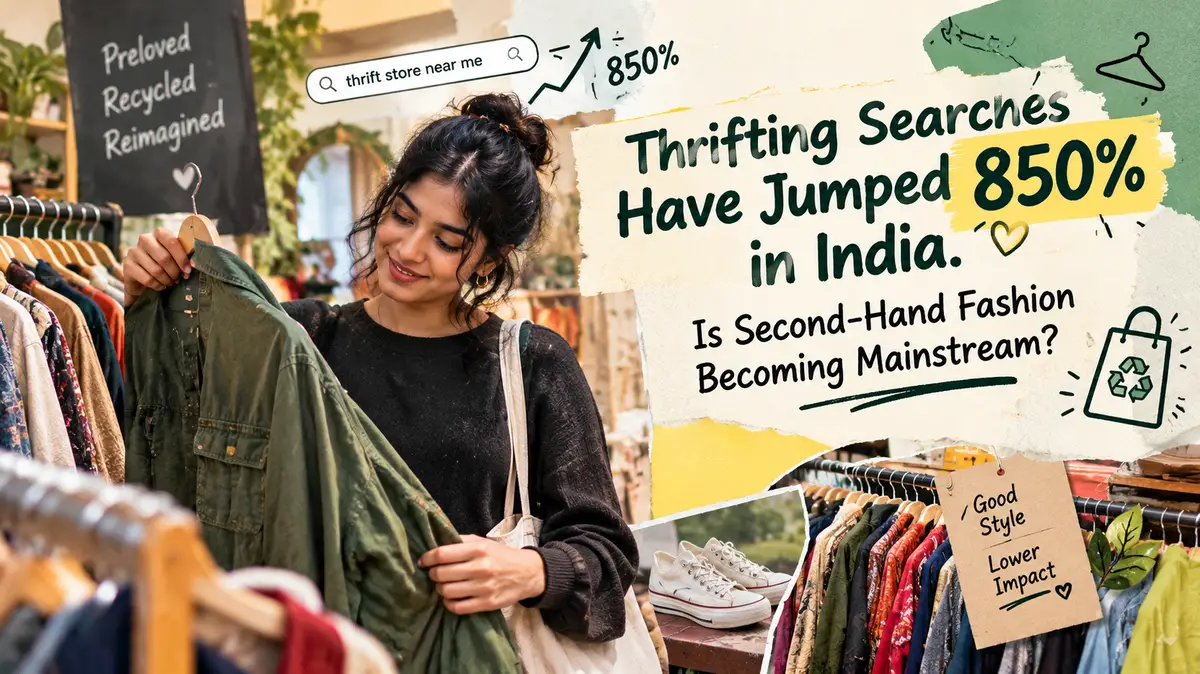
The numbers suggest that curiosity is growing quickly. According to Google India's search data published on October 1, 2026, searches for “how to thrift” jumped 850% over the past year, while “thrift store near me” rose 600%. These figures measure changes in search interest, not actual purchases, but they offer a useful glimpse into how the conversation around fashion is changing. The question is whether India is ready to make second-hand shopping a regular habit rather than an occasional experiment.
From Instagram Stores to Street Markets: Where Are People Shopping?
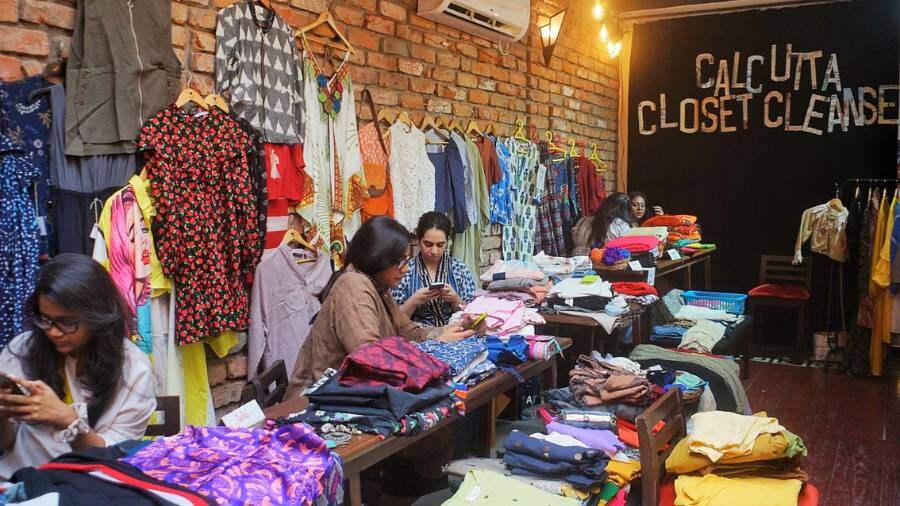
Thrifting in India does not happen in just one place. Some shoppers prefer crowded street markets, where finding something worthwhile means rummaging through racks and checking each piece carefully. Others browse Instagram thrift pages, WhatsApp communities and online resale platforms, where sellers photograph individual items and list their prices.
Delhi's Sarojini Nagar market remains a familiar destination for affordable fashion, including export-surplus garments and factory rejects. Mumbai has its own growing network of curated second-hand stores, while online sellers have made vintage clothing accessible to people who may not live near a dedicated thrift shop. According to Google, Bengaluru, Delhi, Mumbai, Hyderabad, Chennai, Kolkata, Kochi, Dehradun, Guwahati and Jaipur are among the cities showing strong interest in thrift stores. Guwahati and Jaipur have also emerged as breakout locations for search interest.
The clothes themselves are changing the appeal of these stores. Jackets were India's most-searched thrift item over the past year, followed by tops, shoes, jeans and furniture. Searches for Y2K streetwear, jorts, track pants and baggy jeans have also taken off, while vintage sarees, jerseys, T-shirts and bags are attracting attention. For a generation used to seeing the same trending outfits across social media, a second-hand piece offers something different. An old denim jacket might have a faded finish that is difficult to reproduce convincingly, while a vintage saree could bring an unusual weave or embroidery into a modern wardrobe. The appeal is not simply that somebody else has owned the garment; it is that the garment may be difficult to find anywhere else.
5 Top Online Thrift Stores and Platforms in India
Shopping for pre-loved fashion no longer means spending hours at a local market. Several Indian online platforms have made it easier to find vintage clothing, branded streetwear and one-of-a-kind pieces from home. Thrift Wallet is known for its regular 6 PM drops featuring vintage jerseys, track pants, leather jackets and hoodies. The Dopamean Store focuses on pre-owned branded clothing, including graphic T-shirts, knitwear and Y2K styles, while Prelo India offers a mix of men's and women's pre-loved apparel, vintage accessories and designer labels. For shoppers looking for affordable streetwear, MyThriftKart stocks jerseys, cargo pants, sportswear and vintage jackets, with Cash on Delivery options. ZThrifts, meanwhile, brings independent thrift sellers and Instagram curators together, making it easier to discover smaller businesses in one place.
Popular Instagram-Based Thrift Curators
Instagram has become another popular destination for thrift shopping, particularly among younger buyers looking for distinctive pieces that are difficult to find in regular stores. Many independent sellers announce weekly or fortnightly drops, giving shoppers access to carefully selected collections in limited quantities. Accounts such as SSNCEE are known for vintage jackets and streetwear, while Radrags focuses on winter wear, retro clothing and statement pieces. Bombay Closet Cleanse combines second-hand fashion with a sustainability-focused initiative, including charitable contributions, while Habibi Thrifts attracts shoppers with its Y2K-inspired clothing and trendy vintage finds. Since many Instagram sellers operate independently, buyers should check customer reviews, product photographs, payment methods and return policies before placing an order.
Is Thrifting Actually Cheaper Than Buying New Clothes?
Price remains one of the strongest reasons to try second-hand shopping, especially for college students and young professionals who want to experiment with their wardrobes without spending too much.
A shopper might find a pre-loved top or pair of jeans at a fraction of the price of a comparable new item. Curated thrift stores, however, can charge more for rare pieces, branded garments and vintage clothing. Hindustan Times reported in October 2026 that some curated thrift sellers priced pieces between ₹499 and ₹1,999, while pre-owned designer clothing could cost several thousand rupees or more.
That means a thrifted item is not automatically a bargain. A ₹700 shirt may look inexpensive until the buyer adds delivery charges, dry cleaning or alterations. A new shirt on sale could sometimes cost less, particularly when mass-market retailers offer discounts. The sensible approach is to compare the final price, not just the number on the tag. Check the fabric, condition, fit and likely cost of repairs before deciding. For occasion wear, buying a pre-owned saree or lehenga can make particular sense when the alternative is spending heavily on an outfit that may be worn only once or twice.
Thrifting also allows people to try styles they would hesitate to buy at full price. A vintage jacket, unusual print or retro silhouette can be a relatively low-cost way to experiment, provided the item is in good condition.
Can Second-Hand Fashion Become a Regular Habit?
India already has a long history of reusing clothes. Siblings inherit garments from one another, families preserve sarees across generations, and old clothes are altered or repurposed rather than immediately discarded. What is changing now is the way these practices are presented: a pre-owned jacket can be a fashion statement, and an inherited saree can become the centrepiece of a contemporary outfit.
Social media has helped make this shift visible, while online sellers have made it easier to discover unusual pieces without spending an afternoon searching through market stalls. The 850% jump in searches for “how to thrift” is an encouraging sign, but it is not proof that second-hand fashion has already become mainstream. It shows that more Indians want to learn about it, find stores and explore what is available.
Whether that curiosity turns into a lasting change will depend on what shoppers find when they make their first purchase. Perhaps the biggest change is that wearing somebody else's clothes is no longer automatically seen as settling for less. For a growing number of shoppers, the attraction lies in finding something distinctive, spending thoughtfully and making better use of what already exists. If the thrift market can deliver on those expectations, second-hand fashion could become a more familiar part of India's shopping habits, one carefully chosen find at a time.