
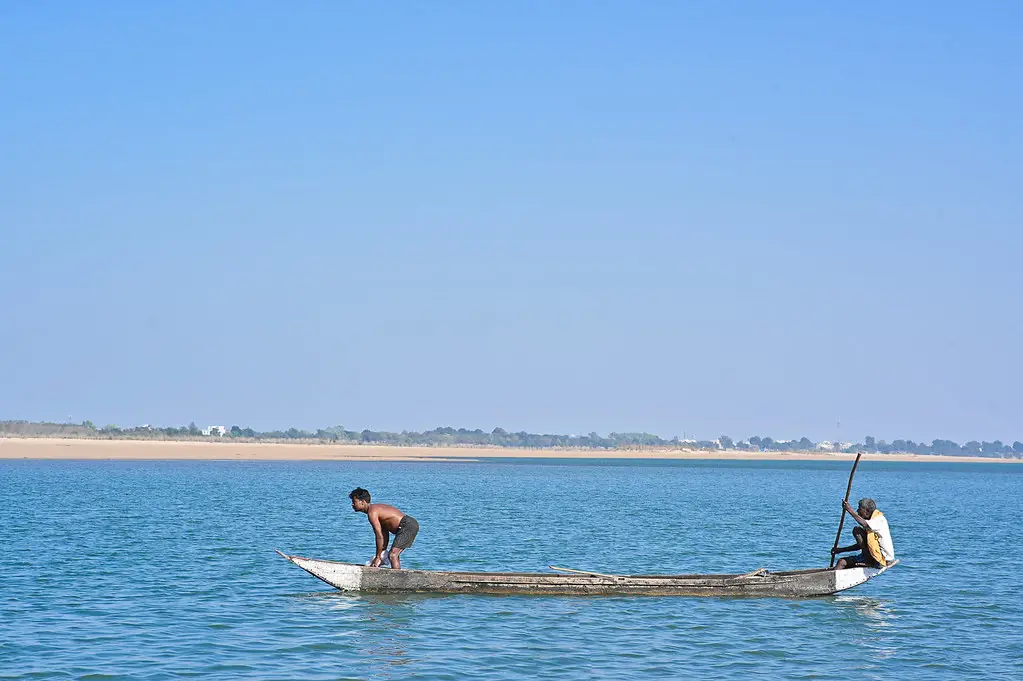
India's blue economy contributes approximately 4% to the nation's GDP. A report by NITI Aayog published in the Press Bureau of India states that India is known as the second largest fish producing country in the world and it also supports 30 million livelihoods.
When students think about careers in biology and environmental science, fields like medicine, biotechnology, and agriculture usually come to mind. However, one growing field that is gaining attention is Fisheries Science. With India’s long coastline, freshwater resources, and increasing demand for seafood, fisheries has become an important part of the country’s economy and food system.
What is Fisheries Science?
Fisheries Science is the study of aquatic organisms, fish production, breeding, conservation, and management of water resources. It combines biology, environmental science, technology, and business to understand how aquatic resources can be developed sustainably.
Today, fisheries is much more than traditional fishing. The field includes modern fish farming, marine research, seafood technology, aquatic healthcare, and entrepreneurship. As India focuses on expanding its Blue Economy, fisheries professionals are expected to play an important role in creating sustainable solutions for food production and marine resource management.
Understanding Fisheries Science
Fisheries Science focuses on the study and management of fish and other aquatic organisms found in oceans, rivers, lakes, and ponds. Students learn about fish biology, breeding methods, aquatic ecosystems, fish health, and technologies that improve fish production.
The field is divided into several important areas:
1. Aquaculture and Fish Farming
Aquaculture is one of the fastest-growing areas in fisheries. It involves breeding and farming aquatic species such as fish, prawns, and shellfish in controlled environments.
Fisheries professionals help farmers improve production by studying fish nutrition, managing water quality, preventing diseases, and introducing better farming techniques. For example, modern methods such as biofloc technology and integrated fish farming are helping farmers increase productivity while reducing environmental impact.
2. Fish Biology and Conservation
This area focuses on understanding different fish species, their habitats, reproduction patterns, and role in aquatic ecosystems.
Scientists and researchers work on protecting endangered aquatic species, restoring habitats, and maintaining biodiversity in oceans and freshwater bodies.
3. Fish Processing and Seafood Technology
Since fish products require careful handling and storage, seafood technology plays an important role in reducing waste and improving food quality.
Professionals in this field work on:
Seafood preservation techniques
Packaging and storage solutions
Quality testing
Development of new seafood products
Examples include frozen seafood, fish-based snacks, fish oils, and ready-to-cook products.
4. Fisheries Resource Management
Fisheries resource management focuses on balancing economic growth with environmental protection.
Experts study fishing patterns, marine ecosystems, and conservation methods to prevent problems such as overfishing and habitat destruction.
Why Is Fisheries Science Important in India?
India is one of the world’s largest fish-producing countries, and the fisheries sector supports millions of people involved in fishing, aquaculture, processing, and trade.
The sector has grown beyond traditional fishing and now includes:
Modern aquaculture farms
Seafood export industries
Marine research
Fish processing businesses
Sustainable fishing initiatives
The growth of India’s Blue Economy has increased interest in areas such as ocean resources, marine biotechnology, and sustainable fisheries. Government initiatives are also focusing on improving fisheries infrastructure, training, and entrepreneurship opportunities.
Courses in Fisheries Science After 12th
Students interested in this field can pursue undergraduate, postgraduate, and specialised courses.
1. Bachelor of Fisheries Science
The Bachelor of Fisheries Science (B.F.Sc.) is the most popular undergraduate programme for students who want to enter this field.
Duration: 4 years
Eligibility:
Students should have completed Class 12 with Science subjects.
Biology is generally required for admission.
During the course, students study subjects such as:
Fish biology
Aquaculture techniques
Fish nutrition
Aquatic animal health
Fisheries management
Seafood technology
The course includes practical training where students learn about fish breeding, farm management, and laboratory techniques.
2. Master of Fisheries Science
Students who want to specialise further can pursue a Master of Fisheries Science (M.F.Sc.) after graduation.
Duration: 2 years
Popular specialisations include:
Aquaculture
Fish Genetics and Breeding
Fisheries Resource Management
Fish Processing Technology
Aquatic Animal Health Management
Marine Biology
This degree is useful for students interested in research, teaching, or advanced roles in the fisheries industry.
3. Diploma and Certificate Courses
Students who want shorter programmes can explore diploma and certificate courses in areas such as:
Fish farming techniques
Ornamental fish breeding
Aquaculture management
Seafood processing
Hatchery management
These courses are also useful for students interested in starting their own fisheries businesses.
Top Colleges Offering Fisheries Science in India
Some well-known institutes offering fisheries education include:
1. ICAR-Central Institute of Fisheries Education (Mumbai)
One of India’s leading institutes dedicated to fisheries education, research, and training. It offers postgraduate and doctoral programmes in fisheries science.
2. Kerala University of Fisheries and Ocean Studies (KUFOS)
The university focuses on fisheries, ocean studies, aquaculture, and marine sciences.
3. Tamil Nadu Dr. J. Jayalalithaa Fisheries University
The university offers undergraduate and postgraduate programmes related to fisheries and aquaculture.
4. Karnataka Veterinary, Animal and Fisheries Sciences University
The institution provides education and research opportunities in fisheries and allied sciences.
Career Options After Fisheries Science
A degree in Fisheries Science can lead to careers in government organisations, research institutions, private companies, and entrepreneurship.
1. Fisheries Officer
Fisheries officers work with government departments to support fisheries development programmes.
Their responsibilities include:
Helping fishing communities
Implementing fisheries policies
Monitoring fish resources
Promoting sustainable fishing practices
2. Aquaculture Specialist
Aquaculture specialists work with fish farms and companies to improve production.
They help with:
Fish breeding techniques
Feed management
Disease prevention
Farm planning
For example, a fisheries graduate working with a shrimp farming company may help improve farm efficiency and production.
3. Seafood Technologist
Seafood technologists focus on improving the quality and safety of seafood products.
They work in:
Seafood export companies
Food processing industries
Quality testing laboratories
Their work involves food safety, packaging, and developing new seafood products.
4. Marine Biologist or Fish Researcher
Students interested in research can work as marine biologists or fisheries researchers.
They study topics such as:
Climate change impact on aquatic life
Fish diseases
Marine biodiversity
Sustainable fishing methods
5. Fisheries Entrepreneur
Fisheries Science also offers opportunities for students who want to start their own businesses.
Entrepreneurship opportunities include:
Fish farming
Ornamental fish breeding
Aquaculture consulting
Seafood processing businesses
With increasing demand for seafood and sustainable food solutions, fisheries entrepreneurship is becoming a growing opportunity.
Skills Needed for a Career in Fisheries Science
Students interested in Fisheries Science should develop:
Interest in biology and aquatic life
Research and analytical skills
Environmental awareness
Problem-solving abilities
Communication and management skills
Basic understanding of technology
Is Fisheries Science a Good Career Choice?
Fisheries Science is a specialised field that combines science, technology, environment, and business. While it may not be as widely known as traditional careers, it offers opportunities in growing industries such as aquaculture, seafood production, research, and marine conservation.
With India’s increasing focus on food security, sustainable development, and the Blue Economy, fisheries professionals will continue to play an important role in managing aquatic resources and creating new solutions.
For students interested in biology, nature, and innovation, Fisheries Science can be a rewarding career option with opportunities both in India and globally.