When pimples appear, it is easy to start searching for stronger treatments or homemade remedies. Neem leaves are often mentioned as a natural option for acne-prone skin and dark spots. But even a traditional ingredient can become irritating when it is used too often or combined with an already complicated skincare routine. The goal is not simply to put something on a breakout, but to understand why the skin is reacting and how to keep it balanced.
Why Neem Leaves Are Used for Pimples and Dark Spots
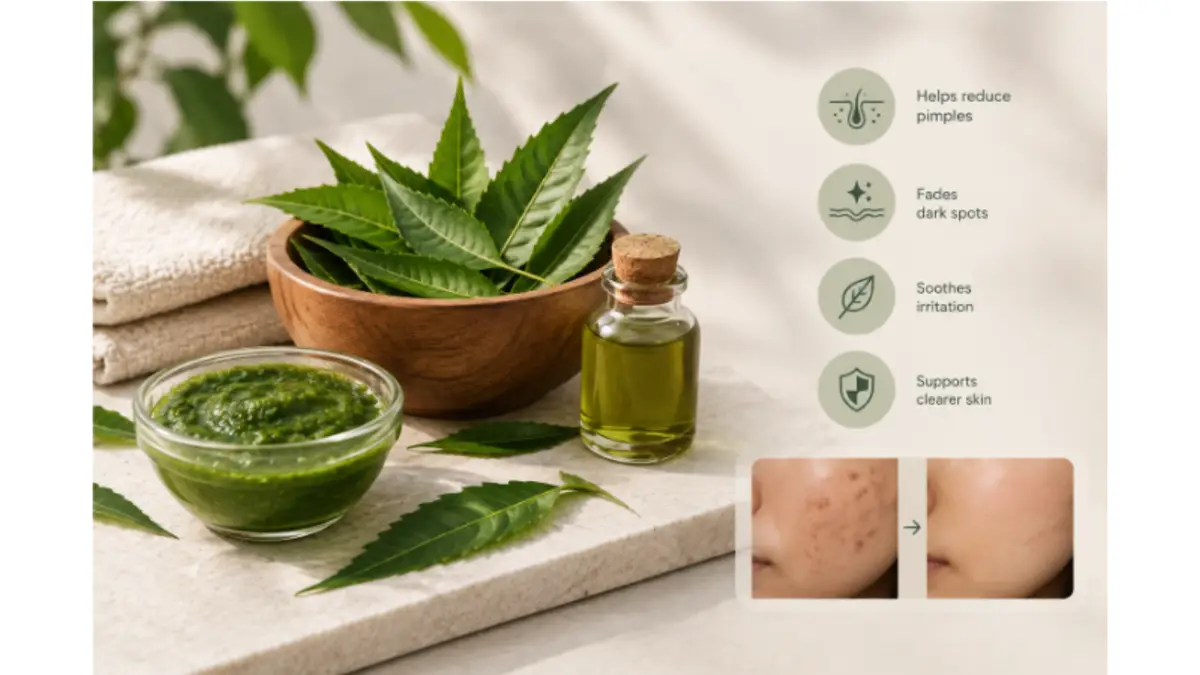
Neem has a long history of use in traditional skincare. Neem leaves contain several plant compounds that have been studied for antimicrobial and anti-inflammatory properties, which is why they are often associated with managing blemish-prone skin.
However, this does not mean neem is a guaranteed treatment for acne or pigmentation. Pimples can develop because of clogged pores, excess oil, hormonal changes, inflammation, and other factors. Dark spots that remain after acne are often a result of post-inflammatory hyperpigmentation, where inflammation stimulates increased pigment production.
This distinction matters because treating the cause of a breakout is different from simply trying to dry out the skin.
How to Use Neem Leaves for Pimples and Dark Spots
If you are exploring how to use neem leaves for pimples and dark spots, the safest approach is to keep the routine simple and avoid aggressive application.
Some traditional preparations involve crushing clean neem leaves into a paste and applying it to the skin. Homemade preparations can vary considerably in strength and cleanliness, however, so they should not be treated like standardised skincare products.
Patch testing before applying a neem preparation to the face can help identify possible irritation. Avoid using it on broken skin, active wounds, or areas that are already burning or severely irritated. If you experience persistent redness, itching, burning, or discomfort, wash the preparation off and discontinue use.
Using neem alongside several exfoliating acids, scrubs, or strong acne treatments can also increase the risk of irritation.
What Does the Skin Barrier Have to Do With Acne?
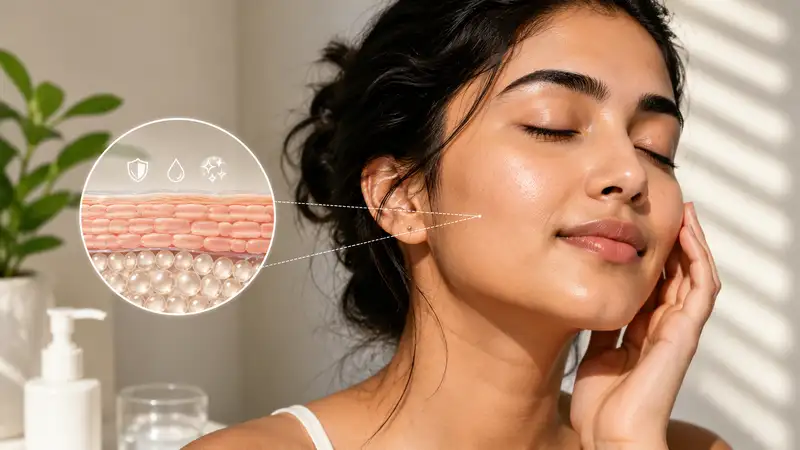
The skin barrier is the outer protective layer of the skin. It helps retain moisture and protects against environmental irritants.
When the barrier becomes disrupted, the skin may feel dry, tight, rough, or unusually sensitive. Redness can also become more noticeable. Over-cleansing, frequent exfoliation, harsh scrubbing, and repeatedly applying different treatments can contribute to this imbalance.
This is why drying out every pimple is not always the best strategy. If the surrounding skin becomes irritated, you may end up dealing with both breakouts and barrier damage at the same time.
A healthy skincare routine should therefore focus on supporting the skin while addressing acne appropriately.
Common Mistakes When Using Natural Remedies
Natural ingredients can seem harmless, but the way they are used makes a difference.
Some common mistakes include:
Applying homemade neem preparations too frequently
Scrubbing the skin before or after applying them
Using several acne treatments simultaneously
Picking or squeezing pimples
Skipping moisturiser because the skin feels oily
Changing products repeatedly when results are slow
Neglecting sunscreen when dealing with post-acne dark spots
These habits can increase irritation and make it difficult to understand what is actually helping your skin.
What Your Skin May Need Instead
If your skin feels irritated or overloaded, reducing the number of products can be more useful than adding another remedy.
A simple routine can include a gentle cleanser, a suitable moisturiser, and daily sunscreen. You can then introduce acne-focused ingredients carefully when appropriate, rather than layering multiple strong products at once.
Sun protection is particularly important when dark spots are a concern because ultraviolet exposure can contribute to persistent pigmentation. Consistent care over time is generally more useful than constantly switching between remedies.
Some brands, including The Clear Ritual, focus on simple, barrier-friendly skincare rather than encouraging people to overload their routines with multiple active products.
Final Thoughts
Neem leaves may be an interesting traditional ingredient for people interested in natural skincare, but they shouldn't be seen as a universal solution for pimples or dark spots. How your skin responds depends on its underlying condition, sensitivity, and the rest of your routine.
The better long-term approach is to reduce unnecessary irritation, support the skin barrier, and introduce treatments thoughtfully. With consistent care and patience, skincare becomes less about chasing every new remedy and more about maintaining a healthy balance.