I thought pickleball was a snack until I saw people booking courts for it faster than movie tickets. A few rallies later, I understood why this quirky sport is becoming one of the fastest-growing games among young Indians.
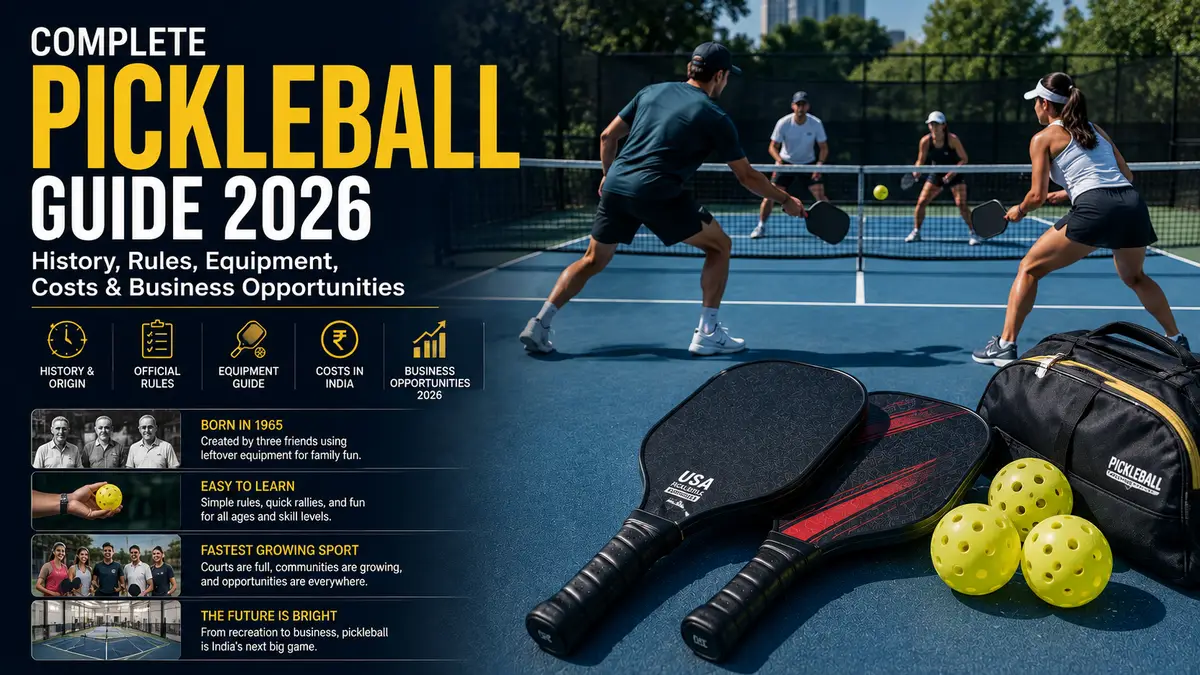
Before we get started with the Pickleball Guide 2026, let us first know about how it all started. The internet might have made pickleball a sensational trending sport in the 2020s, but it was created as a sport to entertain families in the summer in the year 1965.
History & Origin Of Pickleball
Joel Pritchard, Bill Bell, and Barney McCallum improvised a lowered badminton net, ping pong paddles, and a perforated plastic ball. And that is how pickleball started. The first tournament happened in 1976 in Washington. The first rulebook came into existence in 1984 through the United States Amateur Pickleball Association. After that, it spread to all the US states and became a sensation in the 2020s. The name comes from pickle boats, where oarsmen were chosen from leftovers of other boats, relating to how pickleball was created with leftover equipment from other sports.
What Is Pickleball?
Pickleball is bits and parts of tennis, badminton and table tennis. It uses the court like that of badminton, where the net is in the centre. Opponents hit the ball with the racket, like table tennis, over the net and try to score some points. It can be played in doubles or singles. A single match can take up to 20-40 minutes, but it is a very variable time span depending on the type of match you play.
Official Pickleball Rules
Pickleball is a relatively easy game to play, one of the most significant reasons why people love it so much. It has gained popularity because every age group can enjoy it without being too strained. Below are the basic rules:
The serve should always be underhand; the arm should have an upward arc.
The paddle should touch the ball below waist level
Both feet should remain inside the baseline during the hit
The ball should only be hit after one bounce in the receiver's court
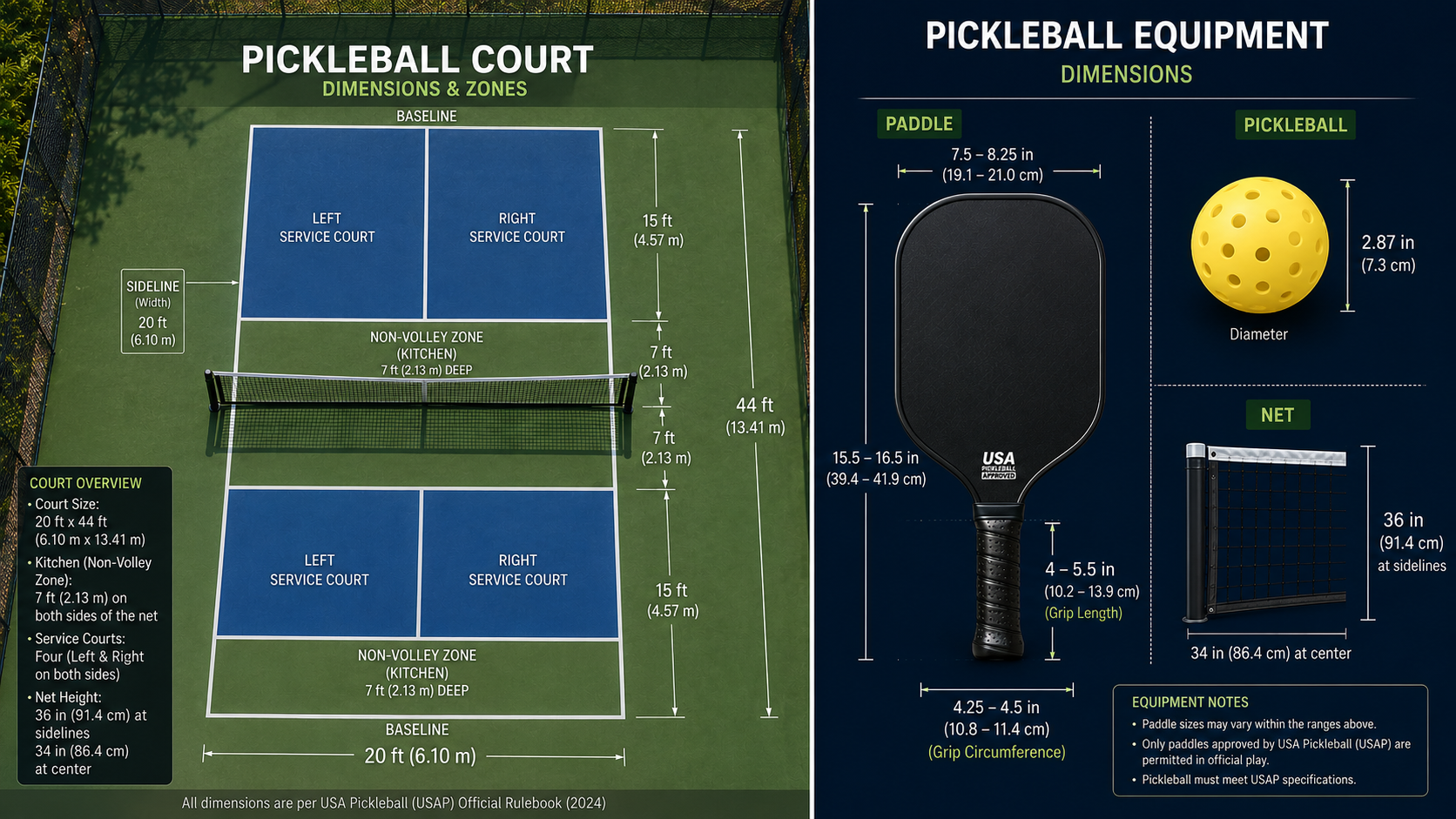
Coming in contact with the ball on the kitchen line or kitchen zone is prohibited
Kitchen zone hits are only allowed if the ball has bounced once in their court
Serving team scored
Match is played for 11 points; you win with a margin of 2.
Ball hitting the nets is considered a fault.
Court Size & Equipments
How Much Does Pickleball Cost In India
Renting
In India, pickleball courts can be rented on an hourly basis ranging from ₹250 to ₹600. It goes a little higher in peak hours. Most such play arenas also provide pickleball rackets and balls on rent. The bat comes at ₹100 and the ball at ₹50. If someone is planning to play regularly, you can also buy a membership where they take ₹2000 to allow 30 days of 1-hour sessions to be completed in 45 days.
Owning
Entry-level paddles range from ₹700 - ₹1500, mid-range options from ₹2000 - ₹5000. The professional high-end paddles range from ₹9000 - ₹19000. Perforated balls can be bought for ₹400 - ₹600. The coaching and tournament fees are also different for different centres and localities.
Pickleball Business Opportunities 2026
Empty warehouses, rooftops or single large tennis spaces can be turned into pickleball courts easily.
These courts generate rent revenue and better prices in peak hours.
Beginner workshops, clinics and youth programmes can be conducted
Collaboration deals with food vendors, as a social lounge would attract more people to have evenings with friends or family.
You can also generate revenue from equipment used in each game
Team-building events and regional competitions can further increase the revenue in the longer run.
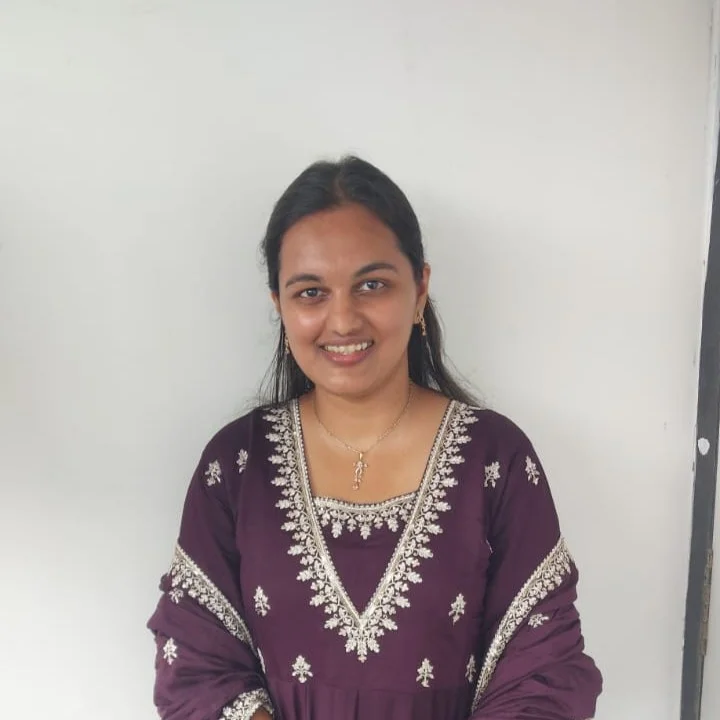
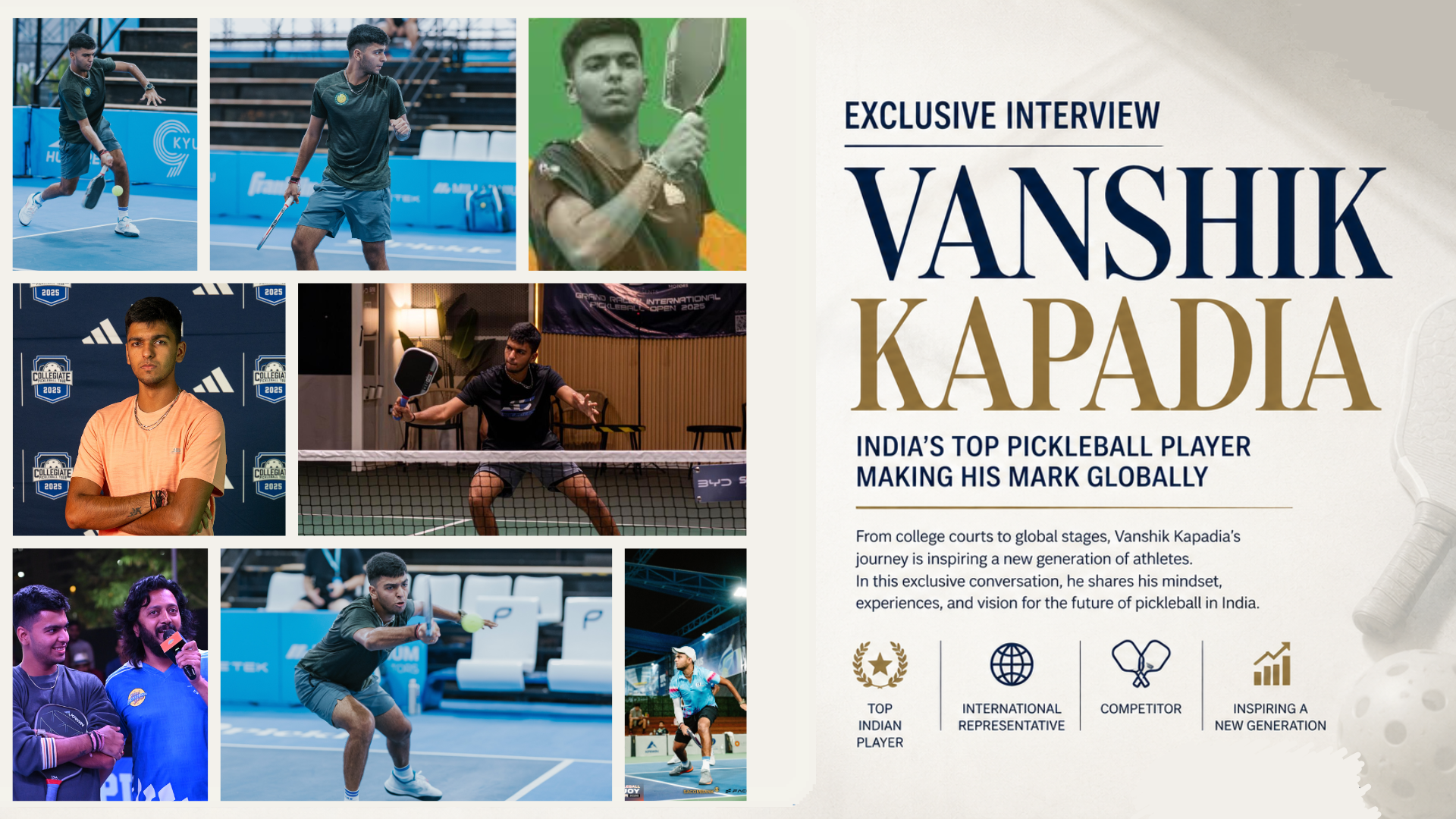
In light of this, we had an incredible opportunity to speak to Vanshik Kapadia, one of India’s top pickleball players, representing us on international levels. Below is what he had to say:
Q1. Why should today’s students consider pickleball over traditional sports?
A. Pickleball has one of the fastest learning curves of any sport. You don’t need years of technical training to enjoy a competitive game, which makes it highly accessible to people of all ages and skill levels. It is compact, social, fast-paced, and provides an excellent cardiovascular workout without requiring hours of your day.
Q2. What skills has pickleball taught you that every young professional should have?
A. Pickleball has taught me the importance of split-second decision-making and adaptability under pressure. The pace of the game can change instantly, from a patient dink rally to an intense hand battle within seconds. Learning to stay calm, read situations accurately, and adjust your strategy on the fly is a valuable skill that translates directly into the professional world.
Q3. Do you think sports should be treated as seriously as academics in India? Why?
A. Absolutely. While academics help build intellect and knowledge, sports develop character, resilience, discipline, teamwork, and leadership. In today’s rapidly evolving world, soft skills and emotional intelligence are just as important as academic achievement. Giving sports equal importance helps create well-rounded, confident, and stress-resilient individuals.
Q4. What’s one misconception young people have about building a career in sports?
A. A common misconception is that a career in sports is an all-or-nothing gamble, where you either become a top professional athlete or fail. In reality, the modern sports industry is vast and offers opportunities across multiple domains. It requires strategists, marketers, event managers, sports scientists, media professionals, and content creators just as much as it needs athletes.
Q5. What opportunities exist beyond becoming a professional player?
A. The sports ecosystem is expanding rapidly. Beyond competing professionally, there are significant opportunities in sports management, tournament operations, athlete management, brand partnerships and sponsorships, coaching and academy development, high-performance analytics, sports science, and sports media and content creation.
Q6. Where do you see Indian pickleball in the next five years?
A. I believe pickleball will become one of the top three recreational and competitive sports in urban India. We are likely to see dedicated leagues, world-class indoor facilities across major cities, increased participation at the grassroots level, and more Indian players competing successfully and winning medals on the international stage.
Q7. What’s one change you’d like to see in India’s sports ecosystem?
A. I would like to see stronger grassroots infrastructure and structured athletic development programmes integrated into school and college curricula. Sports should be viewed as an essential part of education and personal development, rather than simply as an extracurricular activity.
Q8. What’s one habit that has contributed the most to your success?
A. Consistency in self-review has played a major role in my growth. After every significant event, whether a success or a setback, I take time to evaluate what worked, what didn’t, and what improvements can be made. This habit of reflection and deliberate adjustment has helped me continuously evolve and perform better.
Pickleball is no longer just a niche sport—it is becoming a social, fitness, and business opportunity for India’s younger generation. Whether you want a new hobby, a competitive sport, or even a startup idea, 2026 might be the perfect time to pick up a paddle.