
How to be a millionaire after studying abroad? - Start as a billionaire!
An old joke that is slowly finding its way to reality. Every year, a huge number of students pack their bags, get their visas and enrol in universities outside the country in hopes of a better life, a better future. Students often chase the global exposure and the prestige that comes with it. Dream universities and the budget required to go and stay there are all figured out before the student finishes schooling.
This process has been going on for years, especially for Indian students. Parents have patronised sending their kids to study overseas in the name of better finances, spending a fortune with no guaranteed returns. This also happens because overseas students have a better quality of education. There are multiple courses and academic categories to choose from. Many fields of education are not available or operational in India.
But by choosing the dream career and spending money on it, students are also choosing a stack of hidden expenses that go with it. And it is not just monetary. It is not just about tuition fees. It is also about the sacrifice that may or may not be recovered. The brochures and social media idealise this lifestyle, but there’s another world to it behind the curtains.
The Rising Popularity Of Studying Abroad
The question that arises now for the youth is not - ‘Do I have to study abroad?’, it is ‘Can I afford not to?’. Sending your children to a different country for education has become a symbolisation of status, instead of a carefully evaluated professional decision for the child.
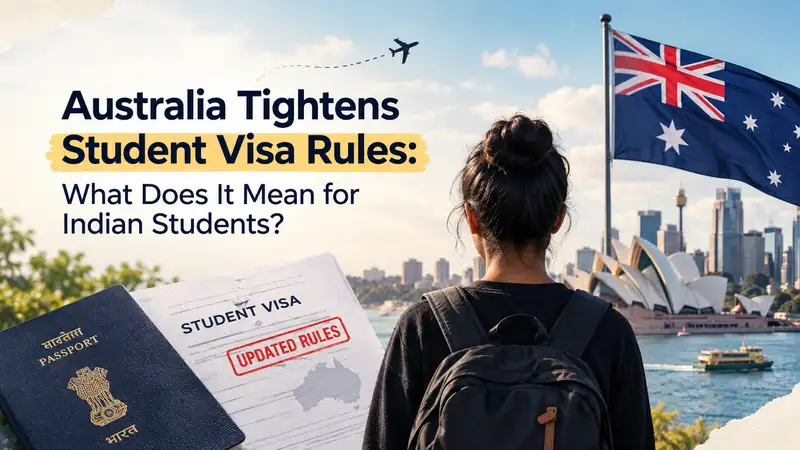
Several lakh Indian students continue to pursue higher education overseas every year, despite rising costs, comparatively lower than in 2023 and 2024. The reason behind it is cited as the stricter visa rules by active hubs. Top destinations for Indian students are Canada, the United States, the United Kingdom and Australia. Germany and Russia are also being favoured.
Social media platforms like Instagram and TikTok also provide growing leverage for universities to bring in students. Many institutes and dealers partner up with influencers who make content and videos showing the beautiful architecture and aesthetic lifestyle of being there. The hassle-free approach encourages students to have a lifestyle like that. The digital exposure creates the fear of missing out. The library study sessions and the post-graduate success stories really help their case.
How Much Does It Actually Cost - The Finances Beyond Tuition
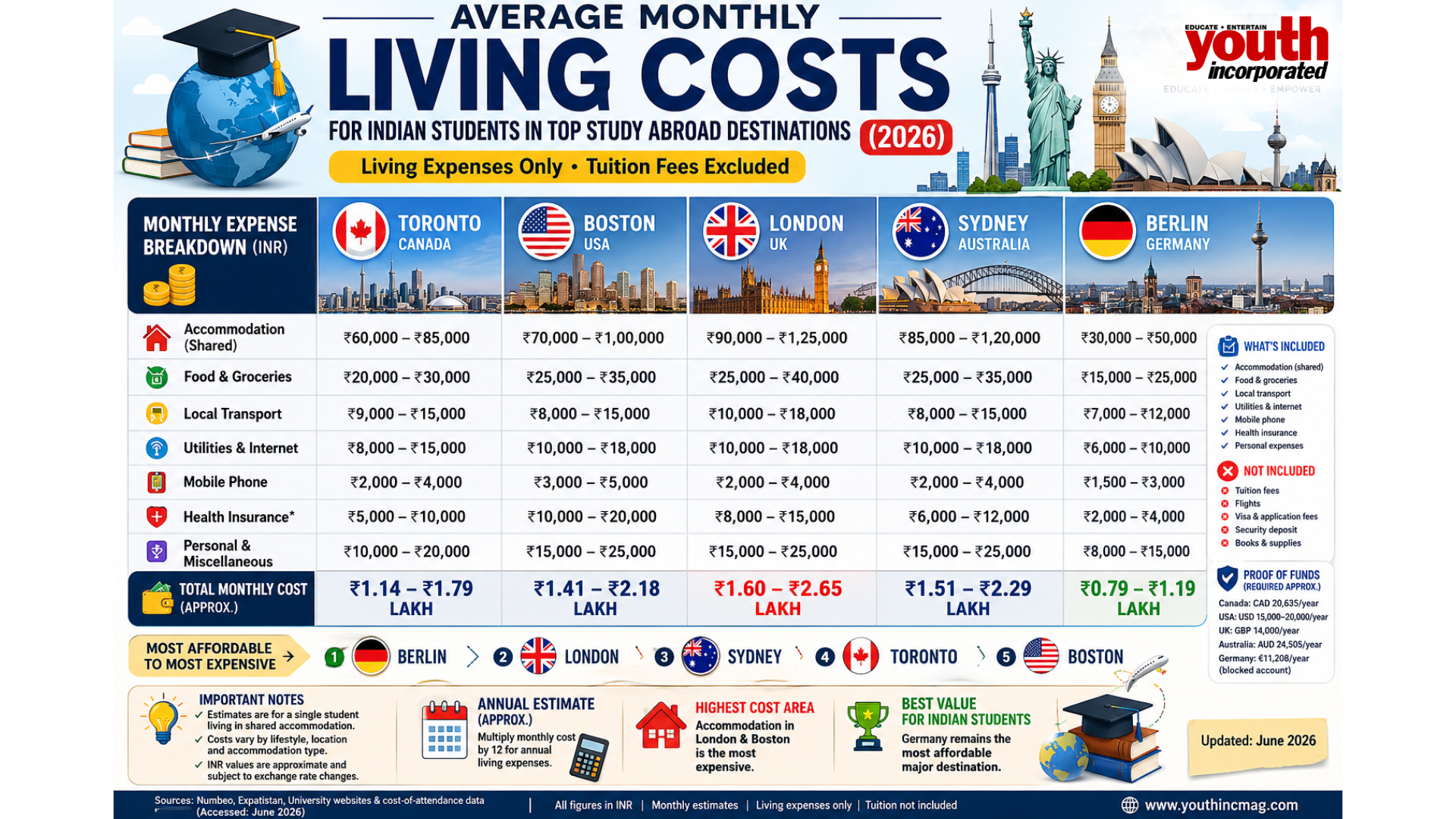
Amidst the celebrations and happiness of getting selected as a student in an overseas university, students generally overlook the finances. In the excitement of experiencing a new culture, they forget the price that it comes at. The reality is that the universities don’t just charge tuition fees; many of them have curated packages for dorm rooms, canteens, and other extracurricular activities.
Many people overlook the cost of Visa and processing fees. While application fees to college and the health surcharge requirements are common to notice, people sometimes forget the proof of funds. The flight and relocation costs are also to be considered. Some countries also have mandatory health insurance that comes with the Visa approvals.
Apart from these, miscellaneous and transportation charges are easily overlooked. It takes a lot to travel back home or explore the country during holidays. The currency exchange difference is also very volatile. Apart from these short-term expenses, long-term costs like Educational loans and the rise in their interest rates, and the pressure to clear all the debt by securing a good job immediately are high.
The Reality Of Part-time Jobs In Foreign Countries
Students coming from weak financial backgrounds take up jobs to reduce and manage their daily expenses. These roles help them gain work exposure in the country. But seldom are they easy. The jobs in some countries are very competitive, which means you can take anywhere between a semester and a year to land one.
Most of the countries do not allow working off campus. Strict rules are that adhere to the policies that redefine the expectations of earning money. On-campus jobs are limited, and they have very high competition. They are minimum wages job. In some countries, students are not allowed to work at all.
There is a pre-test of accounts to clarify if one is capable enough to pay the full tuition fees, because the country knows that a part-time minimum wage job like waitressing, retail counters or babysitting can’t cover the full expenses. It all comes down to managing time, juggling assignments, working, and taking care of yourself. It is a constant struggle to maintain grades. While most do it with ease, some struggle. And that again creates a mental state of dissatisfaction.
Recession and Graduate Unemployment
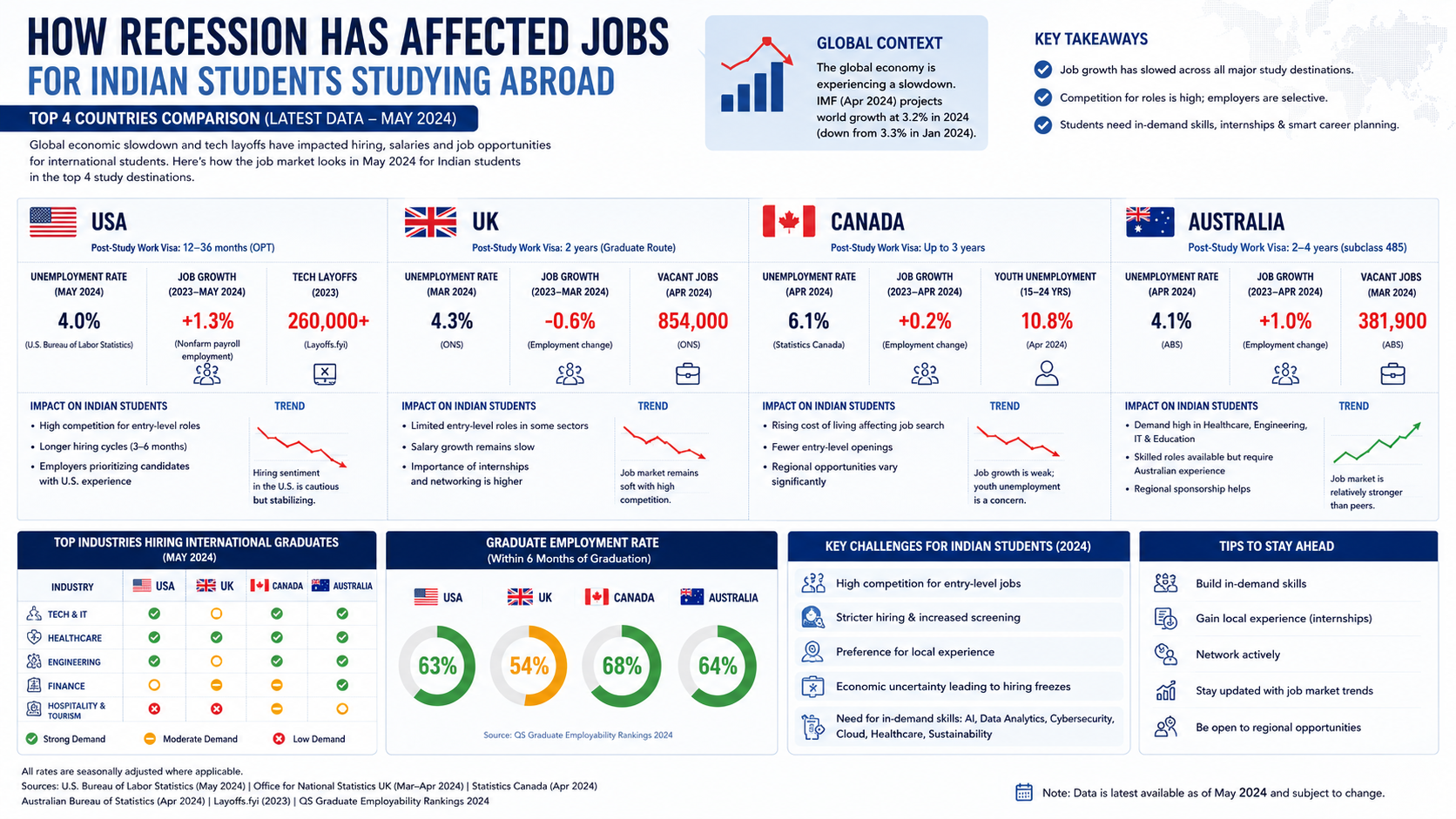
Imagine your parents spending millions for you to have a career recognised globally. All the years that they spend away from you, only with the hope that it is all an investment that will yield good returns. Some graduates find themselves accepting roles below their qualifications while continuing their search for career opportunities in their chosen field.
With the Trump government coming into power, the H-1B visa rules and prices have gone above the bar. This makes it difficult for middle and lower-middle-class people to dream of going abroad. The low preference also affects the job market, as companies are reluctant to give jobs, fearing short-term working conditions. Recently, the rates went as high as $100000 USD. But due to a court ruling, the bill for the same was voided.
The countries that you choose for your children, trusting their lives with the universities, in the expectation of better careers, better salaries, better promotions, are not disaster-proof. Today, every country gets affected by policies and problems that happen around the globe. The job market is shrinking across every sector; it is extremely difficult to find good jobs and even more difficult to maintain them.
Recession and inflation have hit many parts of the world multiple times. And when lay-offs happen, foreign students/employees are the first ones to go. Delays in finding the perfect jobs create an unnecessary delay with the general pace of life too. It is better to be prepared, do your research, and then choose the right type of investment.
The Costs Of Studying Abroad That We Don’t Consider
Everyone pays attention to the tuition, stay, food and transportation expenses, maybe even taking into consideration the cost of sending food parcels and a yearly home visit. But what people often overlook is the hidden emotional cost of uncertainty and global conflicts. Let’s shed some light there:
How Does the War Affect Studying Abroad?
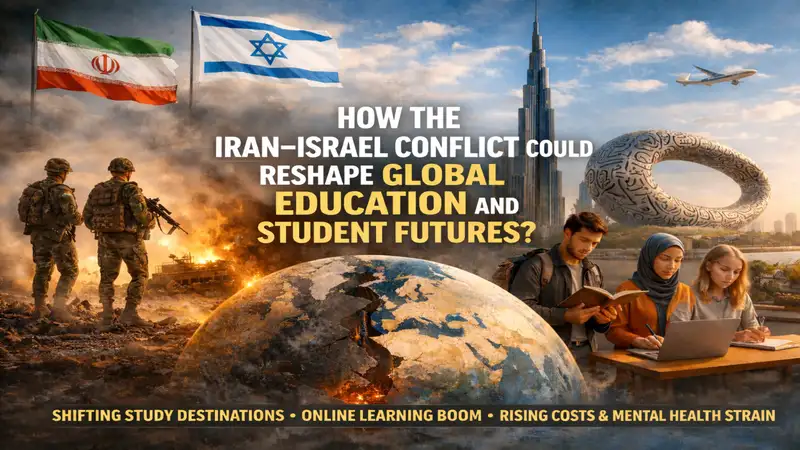
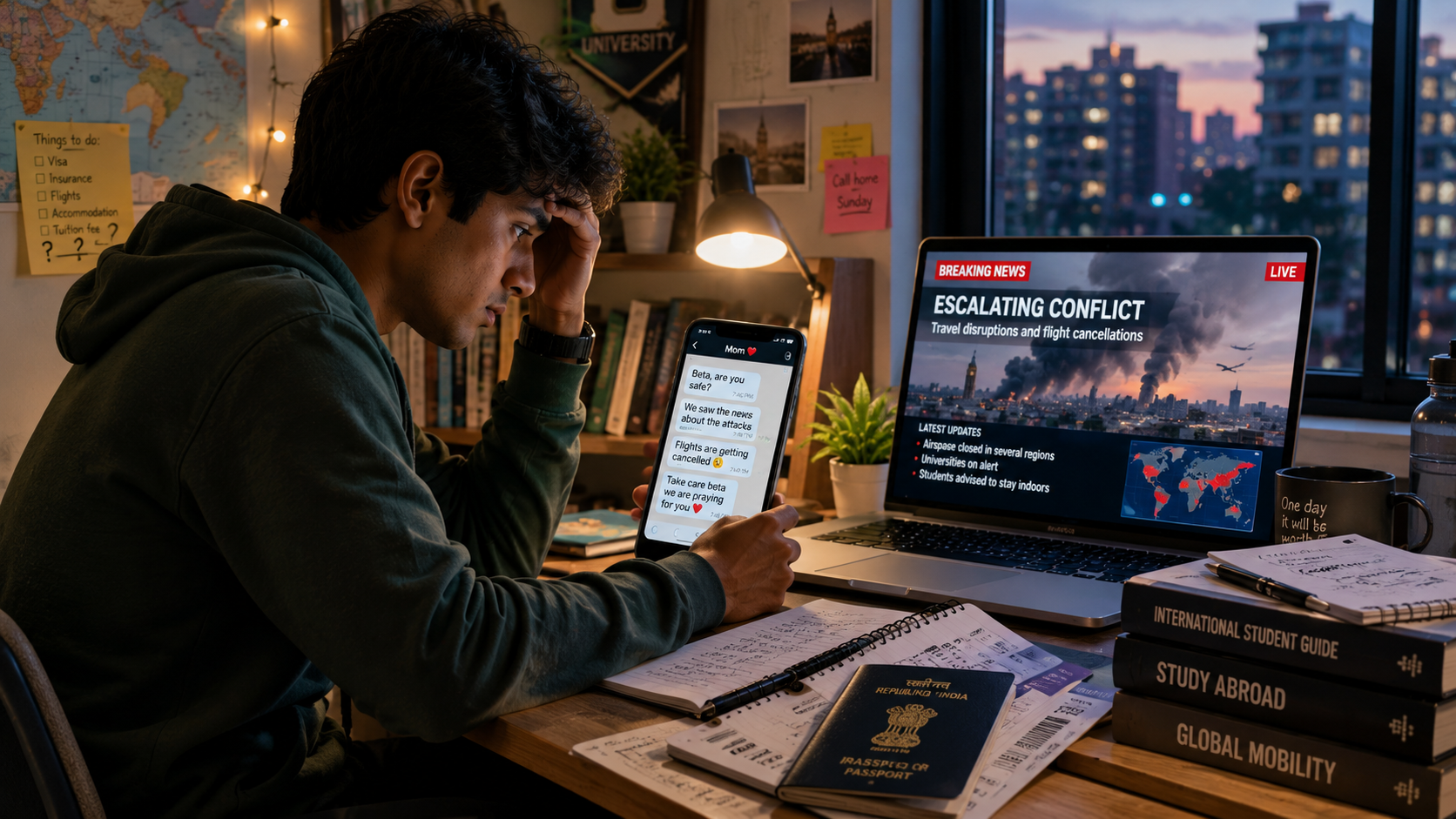
What seems like a global crisis half the world away has suddenly affected every student away from home. Students from previous generations had to worry about grades and finances. The story is very different today. The change in immigration policies, diplomatic tensions, war, and global conflict affect international students.
Data shows that foreign currencies like the USD have strengthened against the Indian rupee in the last few months. There is a remarkable increase in cost that cannot be neglected. It has turned up the overall budget in a significant manner. This changes all the expenses of Visa, rent, food, insurance and even flight tickets.
Suddenly, there are lockdowns, unavailable flights, changes in visa rules, families worrying back home, and students navigating this unfamiliar environment. The travel plans change, the university operations change and the future employment prospects also change. Some students face discrimination, harassment, hate crimes, or hostile treatment because of their nationality, race, or ethnicity.
Feeling Homesick
Students going to a different country are often exposed to cultural shocks. There are so many reels on Instagram where students are trying to make others aware of and adapt to a new city's rules. They title these as: Things natural in country A that might get you arrested/you would find weird in country B. The cultural shock is also very powerful because students are not always lucky enough to have a dependable friend or family as soon as they move.
To find friends, build a community to hang around with, and to have trustworthy people to confide in, is very difficult in a foreign land. This is the price that students only realise they have to pay when the excitement subsides, and the real responsibility begins. Now every holiday is different. Every festival and occasion makes them feel a little farther away from home.
Apart from these differences, the syllabus and study arrangements are also very different. The campus is different. Students do not see the same faces in the corridor they grew up watching every day at school. The academic gaps are wide, considering the different grading and semester procedures.
Often, after completely settling in and building a good friends group, students still end up feeling lonely and hollow from the inside. The question Why am I here, doing this, while not being with my family keeps them up at night. They are always wondering if the struggle is worth it. There is an impending fear of not securing a good job, paying back the debt, and a lot of other what-ifs.
This burnout often results in failure to perform well. It is very necessary for them to be connected to something that can help them ground themselves. A good environment often aids in more success. This aspect should be given more significance, and parents should also keep a monitor check on children to ensure their well-being.
Technology has made communication easier, but it cannot fight loneliness. Behind smiling faces on video calls and messages, students often hide their homesickness, the warmth of a mothers’ hug and the safety of a father’s hand on one's shoulder.
Racism in a Foreign Land:
While a lot of students feel accepted and belong to the culture and the campus, there is a whole other lot that still faces discrimination on campus, at work or even where they stay. The challenge is not just to fit in but to feel accepted in the new environment. Most of them get mentally drained and feel constantly excluded.
This feeling lasts at least for a year. People who have never been discriminated against before find it way more difficult. Several high-profile cases involving accidents, crimes, and student deaths abroad have heightened parental concerns about safety. These incidents have ranged from accidents and violent crimes to mental-health-related tragedies, further increasing parental anxiety. Parents also constantly fear that the students will be in danger of being shot by wrong social elements just because they come from foreign countries. Many such incidents have happened in the past, and the heartbroken parents are left with an unfillable void and no answers.
Social Media Vs. Reality
With the growing use of social media, everything is now open to everyone. A mother in Africa knows what her relative's son’s friend is doing while studying in Japan. While this opens a great segment of marketing and promotions for the cities and the universities, the reality is quite different.
Behind the perfect aesthetic life often lie similar struggles. Students who portray that they are travelling to new places and exploring are often working two jobs and cooking meals at home to make ends meet. Students who generally show that they are making local friends are also the same ones who struggle with loneliness behind closed doors.
People only post their best moments, skipping the transitions of struggling to find accommodations, dealing with visa issues, or crying out of homesickness.
Career Expectations Vs. Ground Reality
Employers have started prioritising skills more than degrees. The oversaturation of the market with students looking for jobs has seen a wave of disappointment in students every passing year. Working students often get tired and will not be able to give their full efforts to studying. They get exhausted, and it leaves little to no time for extracurricular activities.
The Visas and work permits are like a hanging sword on the head. There are strict rules for students' work permits, which end quickly, forcing students to do odd jobs till they find their dream jobs. The mental exhaustion is too difficult to handle. Educational expenses incurred during the full course take a toll on the person. For some graduates, loan repayments can continue for several years after entering the workforce.
Many of the degrees change quickly with time and sooner or later stop giving expected results through jobs. It is better to research strongly. Most domestic degrees end up paying the same amount here, and suddenly it stops making sense to be there and working hard. Studying abroad doesn’t mean guaranteed success.
Even after graduating from prestigious universities, there is no magic ticket to a successful job. It highly depends on skill development, networking, persistence and industry demand.
The Opportunity Cost
As discussed above, repaying educational loans and also building a financial system through the early years of life is like biting on the marble stones. Earning late means saving late, and even 5 years of lost investments make a huge difference in the long term.
Working directly after graduation grants you early access to local networking. Casual interactions with mentors and industry events that can provide knowledge of the regional job market are also delayed when you get delayed with placements. The right placement at the right time eventually leads to quicker promotions and collaborative long-term partnerships.
Success is not driven by geography alone. While some people are studying abroad, their friends back in the hometown might have been building businesses, gaining work experience or pursuing alternative qualifications. It does not mean that studying abroad is a wrong choice; it simply means that the trade-off is worth more consideration.
When Is An International Degree Worth It?

For decades, studying abroad has been marketed globally as a direct flight to better opportunities and a flourishing career. The picture looks enchanting - world-class education, global exposure, better pay and a strong career graph. But beneath this dream lies a harsh reality that a student only discovers after boarding the flight. Is being thousands of kilometres away from home in the unsafe global situation worth all this?
Bottoming it down to simple and easy reasons, below are the conditions where studying abroad is worth it in 2026-
The course you are aiming at is highly specialised and not available locally.
You have clear global career ambitions. You are not going to come back home in a few years.
Scholarships are available to reduce financial burden.
Placements and networking from the university are strongly encouraged.
The decision is driven by academic and professional growth and not by prestige alone.
Research-based career opportunities with good financial stability.
Students with family business that they can come back to after getting a world-class education and use the experience for expansion
Companies paying for higher education of their senior management for an MBA or a master's degree after 10-15 years of employment.
Students can make smarter decisions by calculating all the financial aspects and not just tuition. They should also look for job opportunities that they will get once the course is finished. If it is not worth it, there is no point in doing the said course. They should compare multiple universities and countries before making a decision. They should get in touch with current students and alumni to know everything in detail and also keep the scholarships and assistantships in check.
It will be worth it if you don’t just study abroad but take an informed decision based on the full cost of the journey before leaping.