
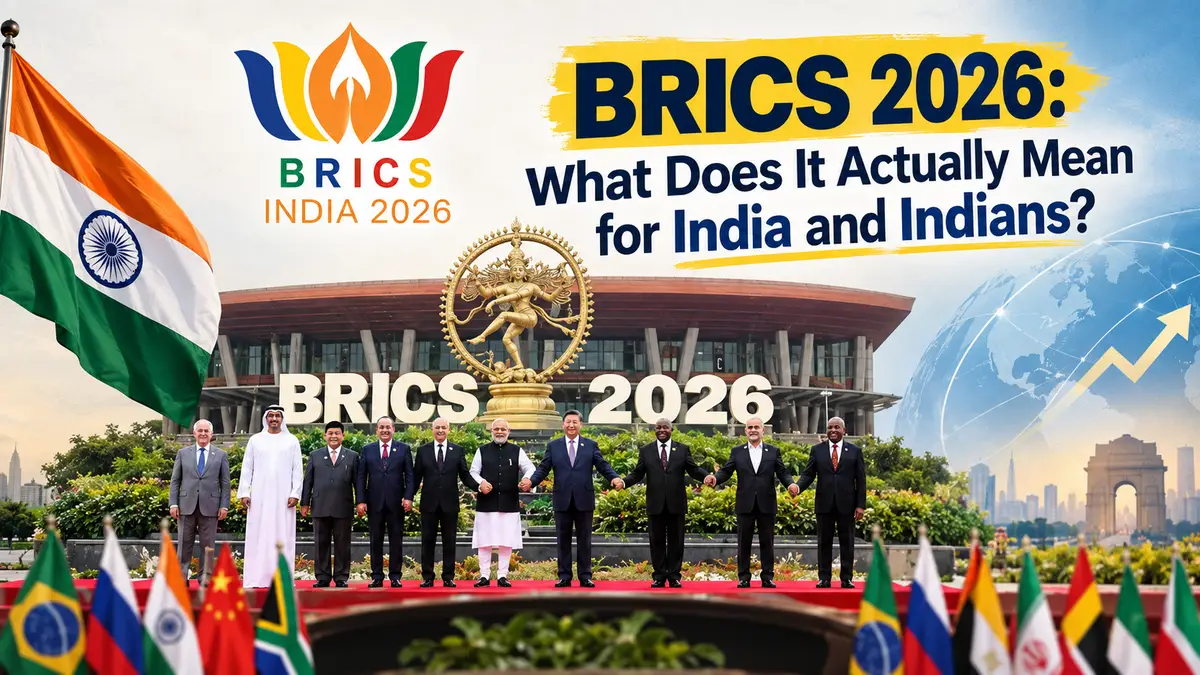
India has achieved significant milestones in the past few years with rapid development across technology, infrastructure, digital payments, space, manufacturing and several other sectors, and with all this, has positioned itself as an important player in the global economy. However, economic growth is not only about what happens within a country's borders. It also depends on how a country builds relationships, opens new markets, strengthens trade and participates in decisions that shape the global economy. Here’s where BRICS come into the picture. The grouping of Brazil, Russia, India, China and South Africa formed BRICS, which evolved considerably with the inclusion of various new members and partner countries, expanding its economic and geopolitical significance.
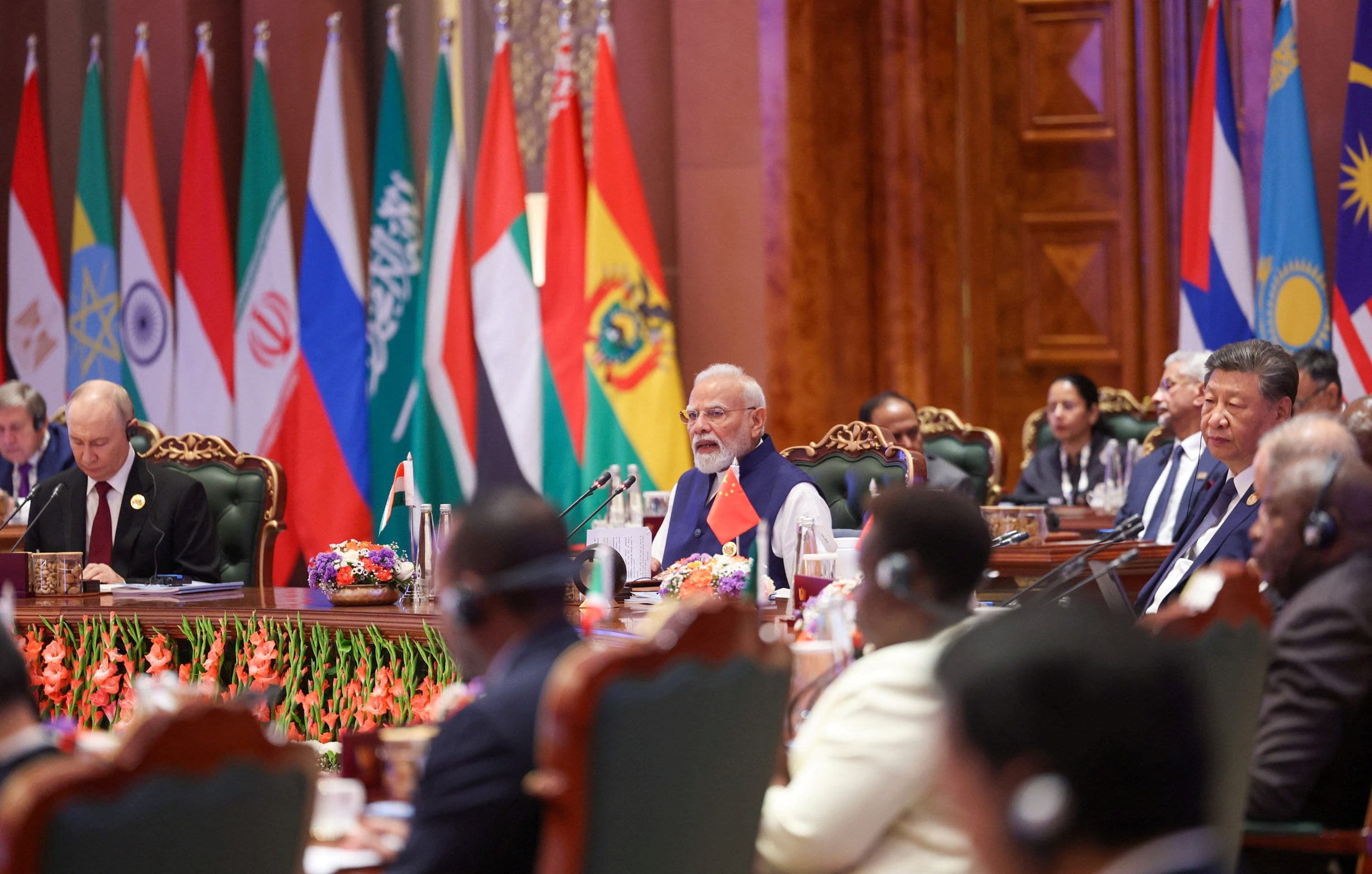
India hosted the 18th BRICS summit in New Delhi on 12th and 13th September 2026, which included discussions around various sectors like trade, investment, technology, artificial intelligence, energy payments, and global governance. For India, however, the bigger question is not simply what BRICS discussed or what was agreed upon. It is what these decisions could actually mean beyond government meetings and diplomatic statements. Could they create new opportunities for Indian businesses and exporters? Could cooperation on payments and local currencies change the way India conducts international trade? Could collaboration in technology, energy and critical minerals affect jobs, startups and even the products Indians use?
As BRICS continues to evolve, its impact on India will depend not only on the agreements made at the summit, but also on how effectively those agreements are implemented. Understanding the outcomes, therefore, means looking beyond the headlines and asking a more practical question: what does BRICS actually mean for India and, ultimately, for Indians?
What Did BRICS Actually Achieve in 2026?
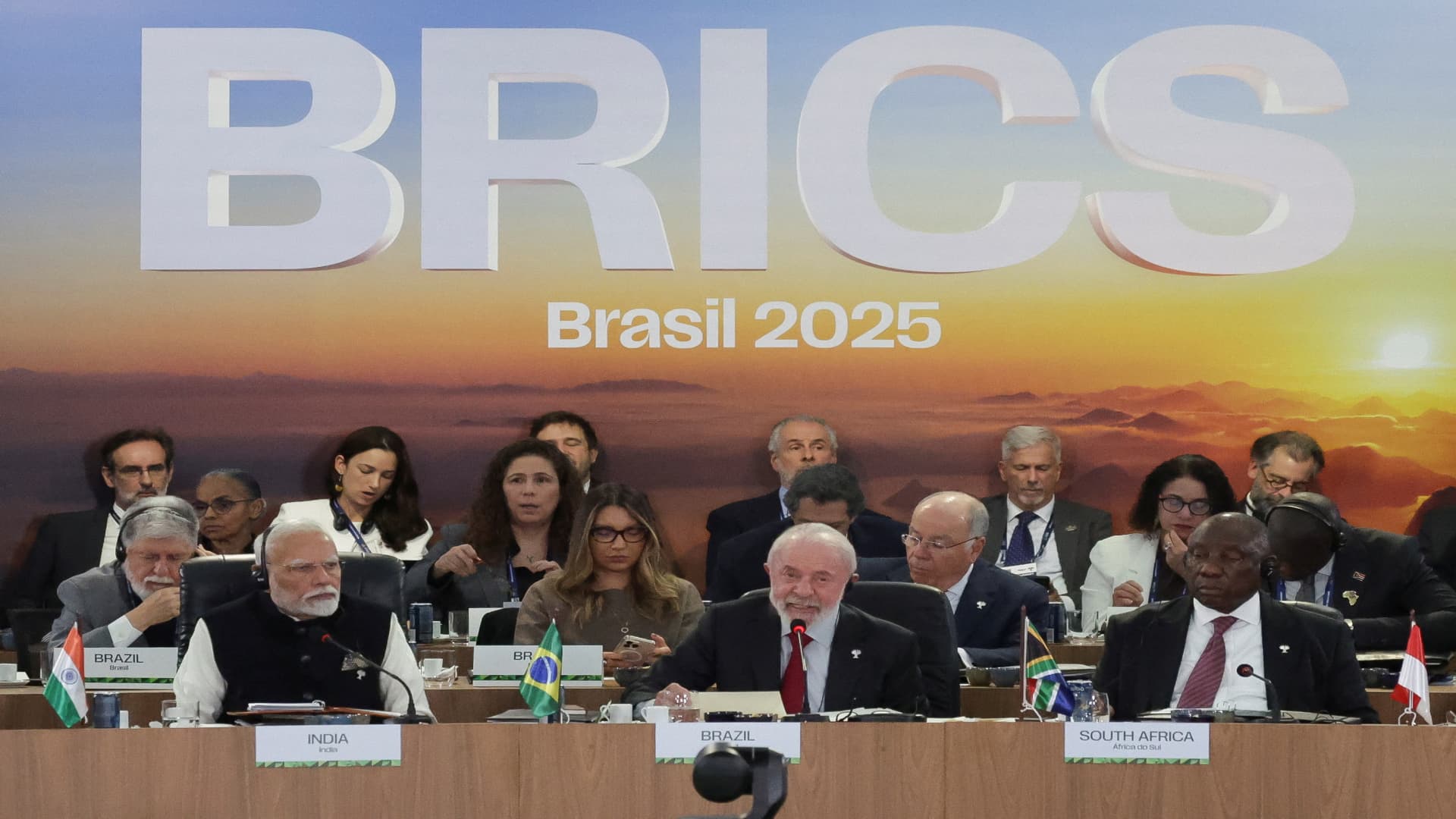
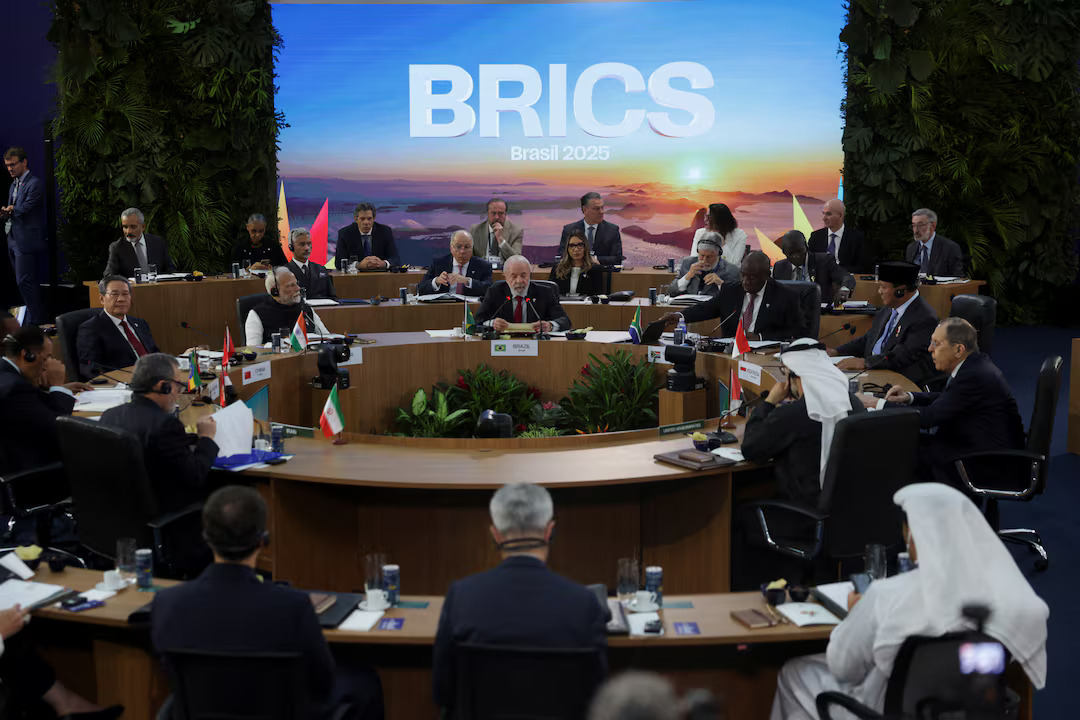
To understand what BRICS achieved in 2026, it is useful to look at what the group had promised a year earlier. At the 2025 BRICS Summit in Rio de Janeiro, members discussed strengthening economic cooperation, developing cross-border payment mechanisms, increasing the use of local currencies and building more resilient supply chains. The 2026 New Delhi Summit showed progress in some of these areas, although several remain work in progress.
One of the clearest developments was the BRICS Economic Partnership 2030, which builds on the work initiated in 2025 and provides a longer-term framework for cooperation in trade, investment and economic development.
Payments, however, remain unfinished. BRICS continued work on making payment and messaging systems more interoperable and encouraging the use of local currencies for trade. But despite discussions around reducing dependence on the dollar, BRICS did not create a common currency or a fully operational BRICS-wide payment system.
There was also movement on supply-chain cooperation. Discussions from 2025 evolved into the proposed BRICS Global Value Chains Action Plan 2026–2030, aimed at increasing the participation of emerging economies in global production and manufacturing.
So, the 2026 summit was less about one dramatic breakthrough and more about turning some of the previous year's broad commitments into longer-term frameworks. The bigger test will be whether these frameworks eventually translate into actual trade, investment, payment links and opportunities for businesses.
What Was Discussed in the Current Summit in Delhi?
The New Delhi summit covered a much wider agenda than trade alone.
Artificial intelligence and technology featured prominently in discussions around innovation and development. The declaration highlighted cooperation in science, technology and innovation and welcomed work on areas including quantum technologies and a proposed BRICS Science and Research Repository for knowledge sharing.
Trade and supply chains were another major focus. BRICS members expressed support for more resilient and reliable global value chains and discussed ways for emerging economies to participate more effectively in higher-value segments of manufacturing and production.
Finance and payments received considerable attention, particularly the use of local currencies in trade settlements and improving cross-border payment mechanisms.
The summit also addressed global governance, with members calling for greater representation of emerging markets and developing economies in international institutions. Prime Minister Narendra Modi, while chairing the session on inclusive global governance, also highlighted the need for greater representation of the Global South in decision-making institutions.
Other areas included energy, critical minerals, climate and sustainable development, health, urbanisation, agriculture, youth cooperation and entrepreneurship.
The Other Major Takeaways from BRICS 2026
Beyond trade and payments, India used its BRICS chairship to position itself as a stronger voice for the Global South, pushing for reforms in multilateral institutions and a greater role for developing economies in global decision-making. On the financial front, BRICS backed greater connectivity between national payment systems and the use of local currencies for trade, which could eventually make cross-border transactions more efficient for Indian businesses. Several new initiatives also emerged, including a BRICS Risk Lab at GIFT City, the Jaipur Consensus on MSME invoice discounting and a BRICS Tax Cross-Learning Lab. For India's small businesses, easier invoice discounting and greater access to international markets could improve working capital and create new export opportunities, while GIFT City's financial infrastructure could strengthen India's fintech and cross-border trade capabilities.
The summit also expanded cooperation on security and strategic resources. BRICS members unanimously condemned terrorism and raised concerns about the weaponisation of emerging technologies and critical minerals. Energy security was another important area, with discussions around strengthening energy cooperation and securing reliable supplies of crude oil and fertilisers. For India, more stable long-term access to these imports could help reduce exposure to sudden global price shocks, with implications for both consumers and farmers.
Technology was another area where India sought to build on its existing strengths. The country's Digital Public Infrastructure (DPI) gained greater visibility as an example of how digital systems can support financial inclusion and public services at scale. Greater cooperation around India's digital expertise could strengthen its technology diplomacy while creating opportunities for Indian companies to take such solutions into other emerging markets. Taken together, these initiatives show that the 2026 summit was not limited to traditional diplomacy; it also focused on financial innovation, MSMEs, energy security and technology, areas that could have a more direct impact on India's businesses and economy over time.
What Could BRICS Mean for India's Economy?
For Indian businesses, one of the biggest potential implications is greater access to markets.
In 2024, merchandise trade among BRICS members reached approximately $1.17 trillion, according to India's Ministry of Commerce and Industry. The ministry has also pointed to significant untapped potential for further trade within the grouping.
For India, greater economic cooperation could create opportunities for sectors such as pharmaceuticals, automobiles, engineering goods, agriculture, textiles, information technology and other services. The 2026 discussions also focused on MSMEs, trade finance and improving access to global markets.
Payment systems could become another area of interest. If local-currency settlements and interoperable payment mechanisms develop further, some businesses could eventually face fewer barriers when conducting transactions with BRICS partners. But the benefits will depend heavily on how these systems are implemented.
The technology agenda could also matter for India's startups and researchers. Cooperation in AI, science, innovation and digital technologies could create opportunities for research partnerships, knowledge sharing and access to international markets.
At the same time, BRICS does not automatically remove trade barriers or guarantee economic gains. Differences between member economies, regulations, tariffs, currencies and national interests can still make cross-border business complicated. The real impact will therefore depend on how far the agreements move from declarations to implementation.
What Does BRICS Mean for India's Place in the World?
Perhaps the broader significance of BRICS for India lies in global representation. The expanded grouping now includes a wider range of emerging and developing economies. India's BRICS chairship in 2026 gave it an opportunity to shape discussions on issues that go beyond its immediate economic interests, particularly the representation of developing countries in global institutions.
BRICS leaders reiterated their support for a more representative international system and greater participation of emerging markets and developing economies in global decision-making.
For India, this creates another platform through which it can engage with countries across Asia, Africa, Latin America and other parts of the developing world. At the same time, BRICS is only one part of India's international engagement. India continues to participate in other multilateral and regional groupings, each serving different economic and strategic purposes.
The 2026 summit, therefore, should not be viewed simply as a collection of announcements. Its significance will ultimately be measured by what happens next, whether proposed payment mechanisms become practical, whether trade expands, whether businesses use the new frameworks, and whether cooperation in technology and supply chains produces tangible opportunities.
For ordinary Indians, the effects are unlikely to appear overnight. But over time, decisions made through platforms such as BRICS can influence the markets Indian companies enter, the technologies they develop, the supply chains they depend on and the country's role in shaping the global economy.