
The word 'aesthetic' entered this generation a few years ago and has been used very often since then. Having anything ‘aesthetic’ has become the new trend, and everyone is going crazy over this. From aesthetic outfits and photos to aesthetic home decor, every element of our life has some or the other ‘aesthetic’ element. But what does being aesthetic actually mean? Is it the way we dress or how we decorate our room? How would we explain this term to someone who isnt aware of the aesthetic life that most people are living nowadays?
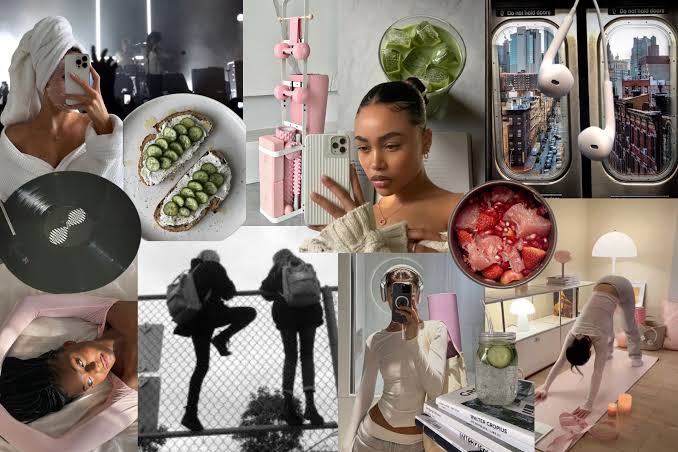
Literally, the term "aesthetic" refers to the pleasing, admirable, or artistic appearance of a person or thing. The term was used for ages to understand art and beauty. But for today’s generation, "aesthetic" is a distinct vibe or lifestyle defined by a specific ‘sound, look, or feel’ of something. Aesthetic lies in the matching outfit, the carefully decorated bedroom, the morning coffee placed next to a journal, the neatly arranged skincare shelf, the coordinated gym set and, of course, the perfectly framed holiday photograph.
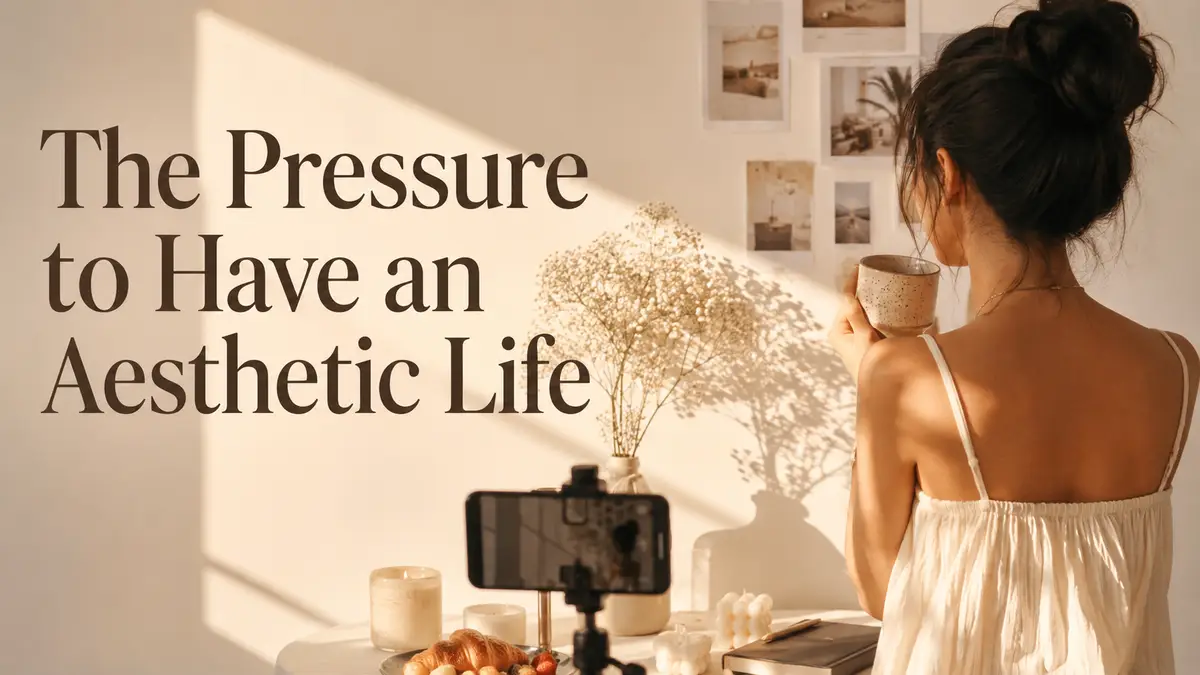
On the other hand, these aren't problematic; it's actually enjoyable, especially when you get to make your surroundings, or yourself, beautiful and find pleasure in the smallest things. The main problem arises when the lines blur between enjoying a moment and presenting a moment. Things like ‘slow mornings’ or morning routines isnt just about getting ready for the rest of the day or just starting your day slow and peacefully; it has become a carefully constructed sequence of candles, skincare, coffee, journaling and sunlight streaming through the window. Even going to the gym can come with its own set of gym outfits, accessories, carry-ons, and carefully planned photographs. In this process, ‘aesthetics’ has moved far from just being a visual style; it has become a complete identity.
This raises an uncomfortable question: Are we actually living these moments, or are we constantly thinking about how they will look to someone else?
Social media turned everyday life into a showcase
Social media platforms play a very important role in influencing people’s actions. Instagram, Pinterest and TikTok constantly expose people to carefully curated lifestyles. From morning routines to cooking vlogs, every video has carefully picked elements to make the content visually appealing. While scrolling, we see creators' content that isn't even something they do regularly and compare it to our reality. These types of content set a standard for how life should look. A bedroom doesn't just need to be comfortable anymore; it needs to be “Pinterest-worthy.” A holiday isn't just about the experience; there's pressure to get the perfect photograph.
The pressure to make ordinary things look extraordinary
Ordinarily, people would just do their daily chores without thinking about whether the place or the thing looks aesthetically pleasing. But today, every aspect is influenced by social media aesthetic standards. Your morning coffee needs the right mug, lighting and table setup.
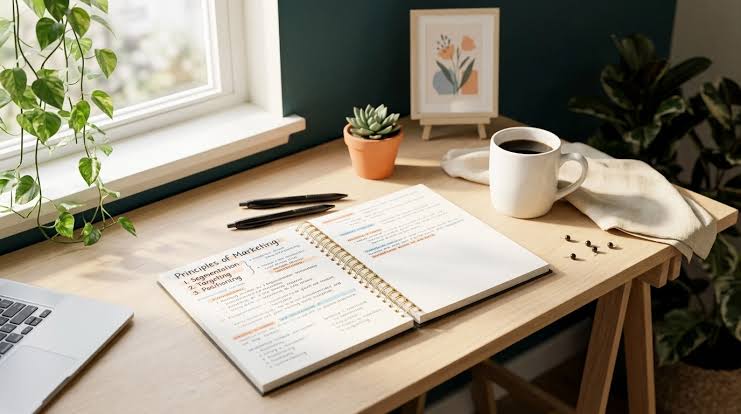
Your desk needs to look productive. Your gym routine needs matching clothes and a cute water bottle. Even your meals need to be photogenic. These are some of the most basic actions of our day-to-day lives; however, the pressure to get into the aesthetic race has transformed even the simplest tasks into decorative ones.
Self-care or performance for others?
The self-care process was considered the most calming thing of our entire day. This is the only time when you shut off your brain and actually focus on yourself and things you love. However, skincare routines, candles, wellness drinks, yoga, journaling and meditation are often presented as beautiful rituals, which is true. But self-care can start feeling like another checklist to complete when we add unwanted elements that stress you out rather than relaxing. There is a difference between actually taking care of yourself and performing wellness. You don't need a 12-step morning routine to have your life together.

The consumerism behind the aesthetic lifestyle
How much of the “aesthetic life” is actually being sold to us? Every new trend today has a motive behind it, and most of the time it is consumerism. These trends rarely benefit users or creators; the giant companies are the ones gaining profits from such content. Every week, a new trend emerges, a new look to adapt to. Clean-girl, cottage core, old money, quiet luxury, or coastal; with each trend comes a shopping list of new clothes, room decor, trendy accessories, and skincare that matches the theme. However, these can start feeling less like choices and more like necessities. Social media makes it easy to believe that reinventing your surroundings means reinventing yourself. The result is an endless cycle of buying, upgrading and keeping up.
The rise of “de-influencing” and authenticity
Despite having a large following for the aesthetic life trend, there has been significant backlash from some. People who felt these aesthetic trends were artificially curated just to show off or to become one of the many are revealing real-life scenarios and what life actually looks like. From showing their messy rooms and talking about imperfect homes many have gone against the aestheitc lifestyle. Rather than displaying a perfectly plated meal, some have started to post ‘what I actually eat in a day’ to show that not all meals have to be styled and curated. In a world where every occasion demands a new outfit, people are putting forward the idea that it's okay to repeat clothes, and if you want something new and fresh, you can always restyle the already existing ones.
Is wanting an aesthetic life actually bad?
Even if we think that having an aesthetic life is becoming more of a performative act to blend in with the trend, sometimes a small doubt arises: is it really bad to actually want an aesthetic life? You see, wanting to decorate your room with things that you like, wearing a cute outfit for an occasion or just because you want to be well-dressed, making your coffee look like the one from your favourite cafe, decoratively plating your food, and enjoying photography is not wrong. The issue occurs when aesthetics become a measure of self-worth. Comparing your life to the perfect one on social media and trying to recreate it is what destroys the authenticity of your own life.
There’s nothing wrong with wanting to have a beautiful and picture-perfect life. Dressing well, decorating your room, taking photographs or enjoying a slow morning can bring genuine joy. But when every experience feels incomplete unless it's documented and aesthetically pleasing, it becomes a problem. Perhaps it is worth asking: What would you still enjoy if you couldn't photograph or post it? Would you still take that trip, wear that outfit twice, spend Sunday doing absolutely nothing, or buy something simply because you love it? A normal life need not have to look perfect from the outside; it is the messy bookshelf, the unplanned dinner, the repeated outfit and the ordinary Sunday that make life feel most real. A life doesn't have to be aesthetically pleasing to be meaningful.