
















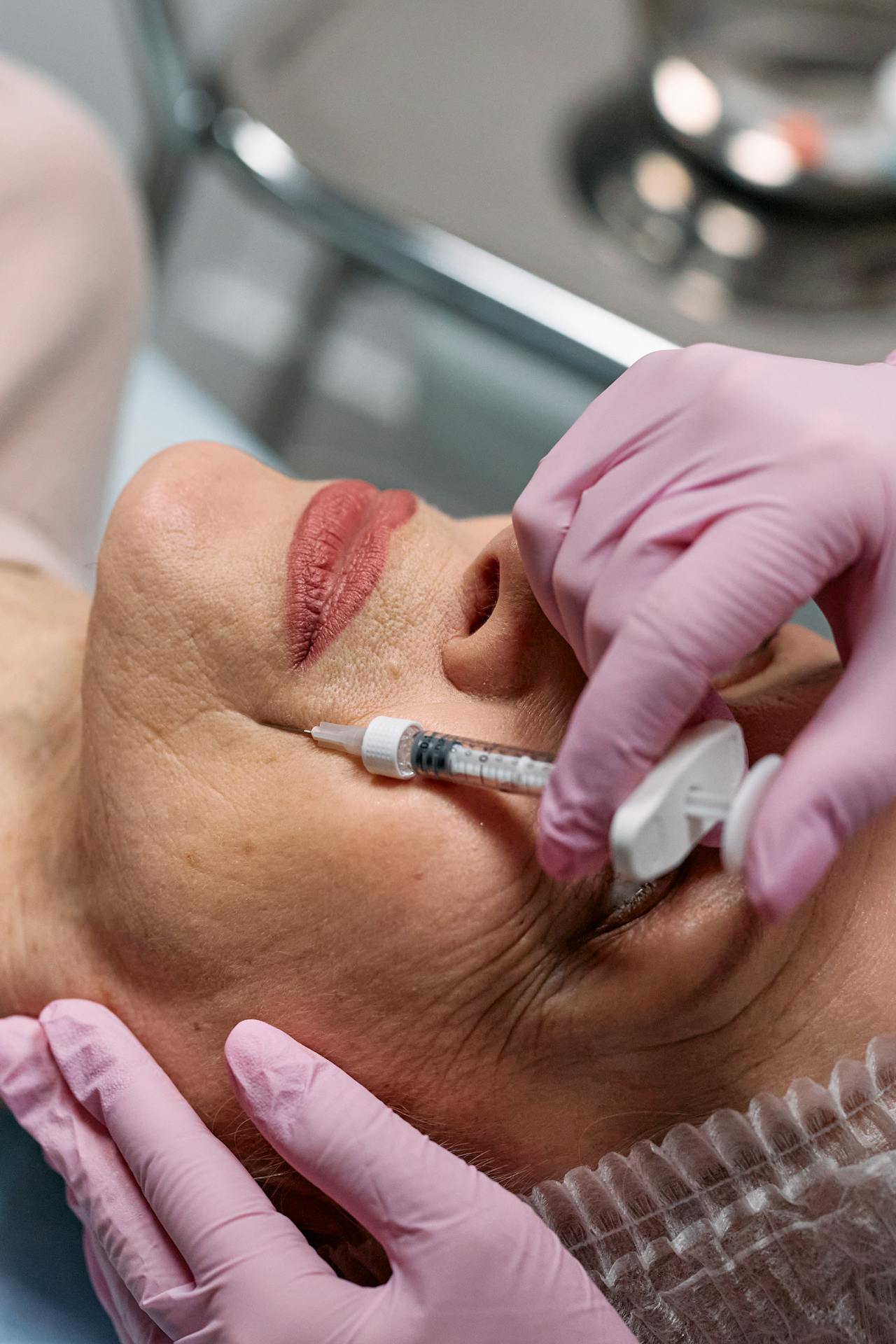
Over the past ten years, cosmetic treatments have in a way silently turned into a trend in the public. The use of botulinum toxin and fillers, mouth shapes, jaw sculpting, and non-surgical lifting are just a few of the many aesthetic procedures that are now commonly known and discussed among the younger generation. The biggest driver? Social media.
Platforms built to connect us have, ironically, pushed many into reshaping themselves—sometimes subtly, sometimes drastically—for validation in the form of likes, comments, and follows. However, beneath the perfect filters and “I only drink a lot of water” assertions, there is a serious issue: the psychological, social, and financial costs of continuously following beauty standards that keep changing and are determined by algorithms.
How Social Media Changed the Way We See Beauty
The popularity of Instagram, Snapchat, TikTok, and the whole selfie phenomenon have set new parameters of beauty. The characteristics perfection like, flawless skin, arched brows, full lips, and defined jawline are already widespread—not rare. The things that were possible earlier only by the means of Photoshop, are now simply done with filters, AI editing tools, and beauty apps.
But here’s the catch: When filters become your everyday face, reality can start to feel “not enough.”
For many users, the distance between their online image and their real reflection increases insecurity, leading to a surge in cosmetic procedures known as “Snapchat Dysmorphia.”
Examples of Social Media Influence
TikTok trends like “fox eyes,” “Russian lips,” and “Buccal fat removal” have pushed thousands toward specific procedures.
Instagram influencers flaunt their “no makeup” faces, while being injected with regular Botox and fillers.
Younger teens (even as young as 16 in some countries) are asking dermatologists for lip fillers because “everyone online has them.”
Why People Hide Their Cosmetic Procedures
Despite cosmetic procedures being more common than ever, there’s still a huge culture of denial.
Many influencers and celebrities claim:
“It’s just skincare.”
“I only use sunscreen and drink 4 litres of water.”
“I naturally look like this.”
These, then, ironically, create huge levels of unrealistic expectations from followers as they perceive that they could achieve these results without adequate medical intervention.
Why People Lie About Botox & Fillers
Fear of judgment: Even today, aesthetic work carries stigma.
Maintaining a ‘natural beauty’ brand: Influencers often profit from claiming they’re naturally flawless.
Sponsorship deals: They credit skincare brands for results actually achieved through injectables.
Pressure to seem perfect: Admitting to enhancement breaks the illusion.
This culture of secrecy harms viewers, who compare themselves to faces that aren’t fully “real.”
Not everything about cosmetic procedures is negative. In fact, many people use them as an empowered choice. Let’s take a look at the positive and negative impacts of it.
Positive Impacts
Boost in self-esteem: Small enhancements can make people feel more confident and comfortable in social or professional settings.
Correcting flaws or medical issues: Botox helps with migraines, excessive sweating, jaw pain (TMJ), and even depression-related symptoms.
Non-invasive options: Procedures today are safer, quicker, and more accessible.
Self-expression: Some people treat aesthetics like fashion or makeup—an extension of their personal style.
For people cosmetic procedures are just another aspect of personal care.
But the darker side of the trend is hard to ignore.
Negative Impacts
Body Dysmorphia: Constant exposure to filtered faces creates dissatisfaction with one’s natural features.
Financial Pressure: Botox and fillers cost thousands annually. Many young adults go into debt to maintain their “online face.”
Addiction to procedures: People chase perfection, one injection at a time.
Health risks: Overfilling, nerve damage, vascular occlusion, asymmetry, and long-term skin thinning.
Loss of individuality: Everyone starts to look the same—same brows, same lips, same cheekbones.
The worst part? Many people start procedures not out of desire, but out of pressure to “keep up.”
How Social Media Algorithms Push Cosmetic Trends
The algorithm rewards faces that fit current beauty trends—smooth skin, bigger eyes, smaller nose, fuller lips. Posts with these features get:
More likes
More comments
Higher visibility
This creates a cycle:
You get more engagement → You want to maintain that look → You get more procedures.
In turn, influencers promote clinics, aesthetic doctors, and beauty products, blurring the line between genuine content and advertising.
Examples
“Glow-up” transformation videos with heavy edits or cosmetic enhancements.
Filters like “Bold Glamour” on TikTok making people unrecognizable.
Sponsored posts subtly encouraging followers to visit a clinic.
The Hidden Psychological Price of Likes
When people start getting positive comments after altering their face, the validation becomes addictive.
Likes turn into approval.
Approval turns into self-worth.
And self-worth becomes dependent on maintaining an edited version of oneself.
This is the hidden cost—the mental toll of constantly comparing yourself to an ideal that doesn’t exist offline.
Creating a Healthier Approach to Beauty
We can’t stop social media, but we can encourage a more mindful way of engaging with beauty content.
How to Develop a Balanced Perspective
Follow accounts that showcase bodies and natural skin.
Be aware that many influencers mix Botox fillers and filters together.
Normalize openly talking about treatments.
Prioritize self-love over fads.
Step away, from media profiles that have been extensively altered.
Keep in mind that while beauty trends are constantly changing, your health and well-being endure.
Cosmetic procedures are neither inherently good nor bad; rather, they become problematic when they are driven by false information, social pressure, or insecurity. Social media has increased the desire to seem “perfect,” but perfection is a moving target.
The ability to reject unattainable ideals and embrace beauty on your own terms is just as real as the “hidden cost of likes.”